





giant chain fern
Woodwardia fimbriata
The giant chain fern is a large, leafy plant that grows in shady, moist places. Its fronds can be very long and look like chains, making it a unique sight in nature!
Habitat: Wetlands
The giant chain fern has long, arching, bright green fronds that can tower over small plants. Its distinctive, leathery leaflets are deeply cut, and on their undersides, rows of chain-like spore cases (sori) give the fern its unique name. These impressive ferns create a lush, jungle-like feel.
Category
PlantsRarity
Common
Danger
1/5 · Very low
Snaps
4
If a frond tip touches soil, it can sprout new roots and make a new plant!
Instead of seeds, giant chain ferns make millions of tiny, dust-like spores!
It's the largest native fern in California, growing up to eight feet!
This fern's amazing fronds can reach longer than a grown-up is tall!
The giant chain fern has special chain-like sori on its fronds that help it effectively release and spread its tiny spores far and wide.
Giant chain ferns can spread underground using tough rhizomes, allowing them to form large colonies and regrow after disturbances.
Its frond tips can root if they touch the soil, helping the fern create new baby plants without spores!
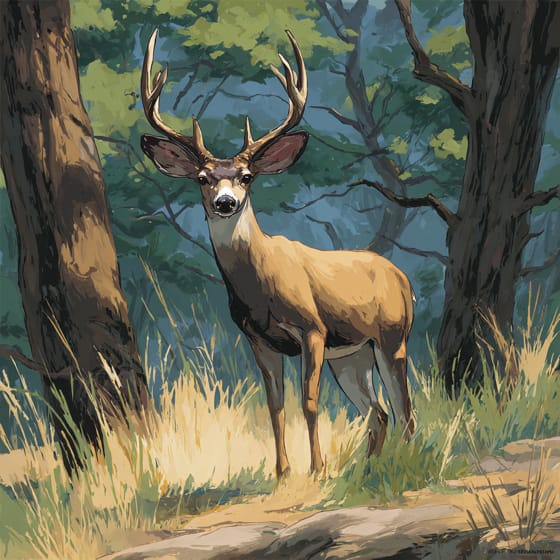
Odocoileus hemionus
browses young fronds occasionally
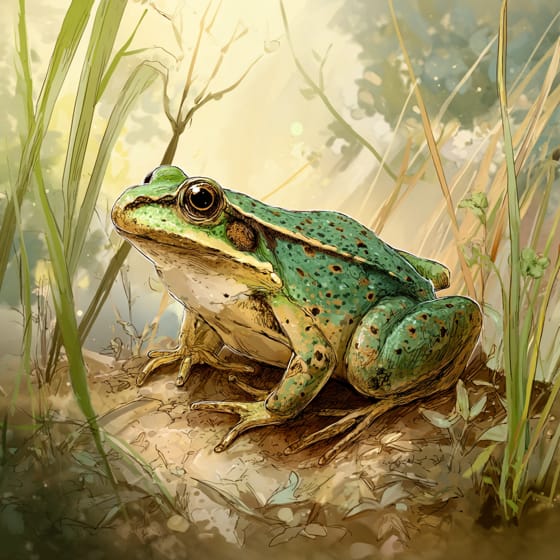
Pseudacris regilla
hides among its lush fronds
Limax maximus
grazes on the fern's fronds
Shade tolerant plants are adapted to grow and thrive in areas with low light levels, requiring less direct sunlight.
Evergreen plants retain their foliage throughout the year, never shedding all their leaves at once.
Spore-producing organisms reproduce by releasing small, often single-celled, reproductive units called spores.
Describes organisms that break down dead organic material, recycling nutrients back into the ecosystem.

Forest habitats are terrestrial environments dominated by dense tree cover, supporting a high diversity of plant and animal life.

This habitat trait identifies species found in wetlands, which are areas of land saturated with water, either permanently or seasonally, including marshes, swamps, and bogs.

Giant describes organisms or objects of significantly larger size than average for their species or type.
No aliases listed yet.
Danger
1/5 · Very low
Always look but don't touch plants unless you know they are safe.
The easiest way to identify giant chain fern is to use the Snappit nature identifier app.
180-250 cm
90-150 cm
No
None
Perennial
Wetlands
Zoom in to split clusters and explore where this object has been snapped.

California, US
You might spot Redwood, Pacific Trillium, and Evergreen Huckleberry.
View guide →

California, US
You might spot Mule Deer, Turkey, and Duck.
View guide →

California, US
You might spot Broad-Leaved Stonecrop and Pacific Bleeding Heart.
View guide →

California, US
You might spot California Ground Squirrel and Western Fence Lizard.
View guide →
Take the discovery with you
Snap it with Snappit to identify it, learn what makes it special, and add the discovery to your collection.








.jpg&width=800)



_001.jpg&width=800)


