





Crystalline ice plant
Mesembryanthemum crystallinum
The crystalline ice plant is a fun and unique plant that looks like it has tiny jewels on its leaves! It can grow in dry places and loves the sun, making it a special survivor in nature.
Habitat: Coastal areas
The Crystalline ice plant is covered in tiny, bladder-like cells that sparkle like ice crystals, giving it a unique frosted appearance. Its succulent leaves are often tinged with red, and it produces small, delicate white to pink daisy-like flowers.
Category
PlantsRarity
Common
Danger
1/5 · Very low
Snaps
3
Ancient sailors ate this plant on voyages to stay healthy and hydrated!
Its 'icy' shimmer comes from special cells that are bursting with salty water!
This plant can live in super salty soil where almost nothing else grows!
Tiny white flowers of the ice plant open and close, following the sun!
Crystalline ice plant can pump excess salt from its roots into shiny bladder cells, then shed them to survive!
Crystalline ice plant has thick, succulent leaves that store precious water, helping it thrive in very dry places.
Crystalline ice plant can switch its way of making food to save water, allowing it to survive drought!
Apis mellifera
Its small flowers attract bees for nectar.

Helix aspersa
Snails graze on its succulent leaves.
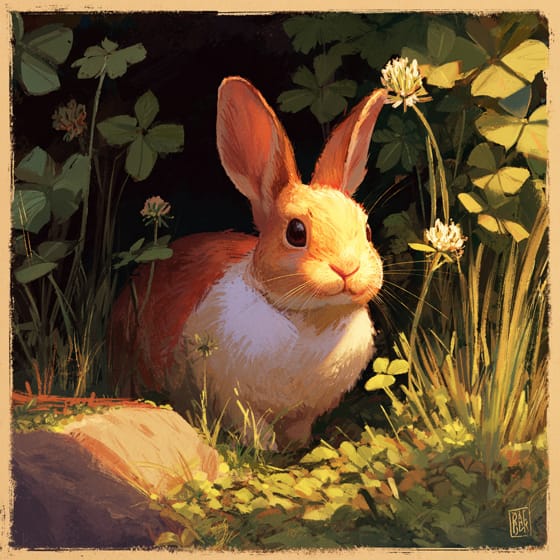
Oryctolagus cuniculus
Rabbits browse its salty leaves.
Ornamental plants are cultivated primarily for their aesthetic appeal, enhancing landscapes and gardens with their attractive foliage, flowers, or form.
Evergreen plants retain their foliage throughout the year, never shedding all their leaves at once.
Salt tolerant plants can withstand and grow in conditions with elevated salinity levels in the soil or water.
Drought-tolerant plants can survive and flourish in conditions with limited water availability.

Succulent plants have thickened, fleshy parts, usually leaves or stems, adapted to store water in arid climates.

Edible plants are those parts of a plant that are considered safe for human consumption.

Coastal habitats are dynamic environments located along the interface between land and sea, influenced by tides, waves, and saltwater.
No aliases listed yet.
Danger
1/5 · Very low
Always wash your hands after touching plants, just to be safe!
The easiest way to identify Crystalline ice plant is to use the Snappit nature identifier app.
10-60 cm
30-100 cm
1-3 cm
Spring to fall
Yes
None
Annual
Zoom in to split clusters and explore where this object has been snapped.

California, US
You might spot Sunburst Anemone, Ochre Sea Star, and Striped Shore Crab.
View guide →

California, US
You might spot Great Egret, Snowy Egret, and Savannah Sparrow.
View guide →

California, US
You might spot Western Gull, Snowy Egret, and Great Blue Heron.
View guide →
Take the discovery with you
Snap it with Snappit to identify it, learn what makes it special, and add the discovery to your collection.










.jpg&width=800)



_001.jpg&width=800)


