_-_1.jpg&width=800)





Giant Toad
Rhinella horribilis
The Giant Toad is a big, bumpy frog that loves to hop around! It can be found in warm places and is known for its loud croaks at night.
Habitat: Wetlands
The Giant Toad has rough, warty skin that is usually olive-brown, grey, or reddish-brown, often with darker spots. It has prominent bony ridges above its eyes and large, triangular poison glands behind its ears, making its head look broad.
Category
AmphibiansRarity
Common
Danger
3/5 · Moderate
Snaps
Be the first to snap!
Female Giant Toads can lay tens of thousands of eggs in a single string!
Giant Toads drink by absorbing water through special skin patches on their bellies!
Their loud, rumbling calls sound like a purring motor or a distant engine.
These amazing amphibians can live in both damp forests and dry grasslands!
Giant Toad can ooze a milky poison from glands behind its ears that makes predators very sick.
Giant Toad has bumpy, earth-toned skin that helps it blend perfectly into leaf litter and muddy environments.
Giant Toad has an enormous appetite, allowing it to eat almost anything that fits into its wide mouth.
This toad is a hungry hunter, eating insects, small animals, and even pet food left outside!
Age differences: Tadpoles are detritivores, eating algae and tiny bits of plants; adults become carnivores.
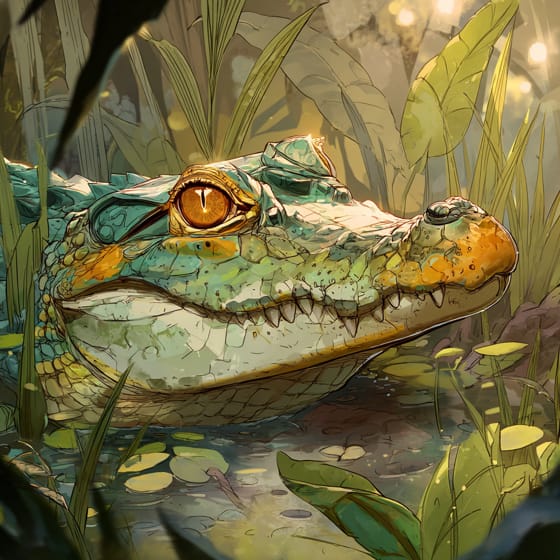
Caiman crocodilus
Younger toads are prey for these large, wetland reptiles.
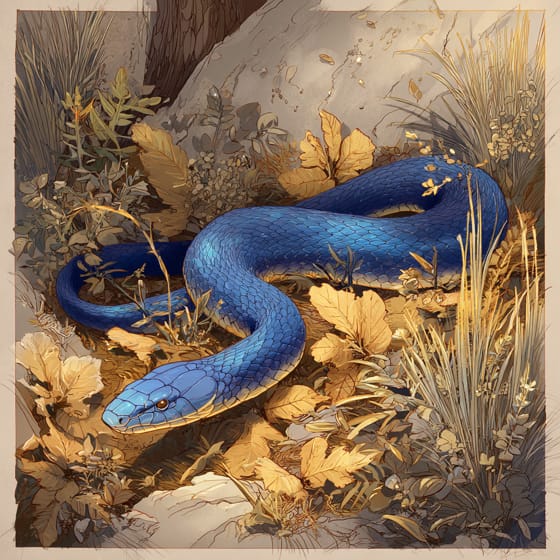
Drymarchon corais
These snakes are often immune to toad toxins and eat them.

Periplaneta americana
Toads frequently ambush and consume a variety of large insects.
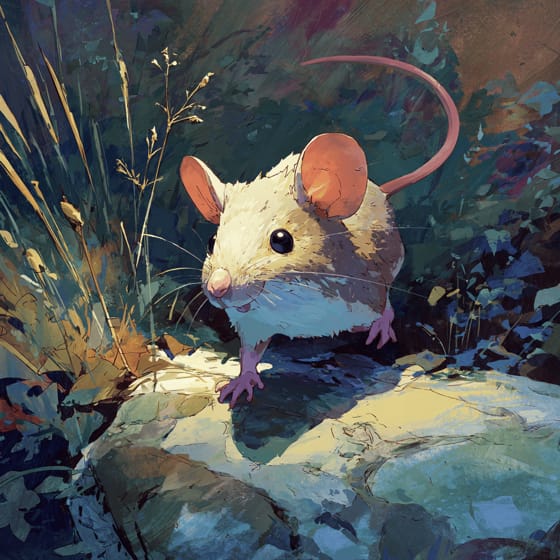
Mus musculus
Giant Toads will opportunistically catch and eat small rodents.
Marked with spots or patches of a different color.
Solitary animals live alone for most of their lives, only interacting with others for mating or parental care.
Singing animals produce complex vocalizations, often for purposes of attracting mates, defending territory, or communicating within their species.
This trait identifies organisms whose diet primarily consists of insects and other small invertebrates.

This trait characterizes organisms with an exceptionally long lifespan compared to others of their kind.

This habitat trait identifies species found in wetlands, which are areas of land saturated with water, either permanently or seasonally, including marshes, swamps, and bogs.

This trait identifies organisms whose diet consists entirely or primarily of animal tissue.

Giant describes organisms or objects of significantly larger size than average for their species or type.

Toxic organisms contain substances that are poisonous and can cause adverse effects upon exposure.

Nocturnal animals are primarily active during the nighttime hours, typically resting or sleeping during the day.
No aliases listed yet.
Danger
3/5 · Moderate
Do not touch toads without asking an adult, as some can be harmful.
The easiest way to identify Giant Toad is to use the Snappit nature identifier app.
10-24 cm
0.5-1.5 kg
5-10 years
2 km/h
This toad is a hungry hunter, eating insects, small animals, and even pet food left outside!
Wetlands
Ambush
Zoom in to split clusters and explore where this object has been snapped.
Recent snaps will appear here as new observations are added.
Take the discovery with you
Snap it with Snappit to identify it, learn what makes it special, and add the discovery to your collection.









.JPG&width=800)



.jpg&width=800)
