





giant white fawn lily
Erythronium oregonum
The giant white fawn lily is a beautiful flower that blooms in spring. Its white petals look like little stars and can have a hint of pink. These flowers grow in shady places and are a delight to see in the wild!
Habitat: Forests
The giant white fawn lily has large, waxy, pure white petals that gracefully curve backward, revealing a bright yellow base or throat. Its broad, mottled green leaves, often with brown spots, emerge from the forest floor.
Category
PlantsRarity
Common
Danger
1/5 · Very low
Snaps
Be the first to snap!
Ants help spread its seeds by carrying them to eat a special fatty attachment!
Each flower droops its head towards the ground, as if shyly looking down!
Its spotted leaves resemble a baby deer, giving it the name "fawn lily"!
These lilies can form large, stunning white carpets across forest floors in spring!
Giant white fawn lily has a deep bulb allowing it to sprout and bloom quickly after snow melts, utilizing early spring resources.
Giant white fawn lily can bloom very early in spring, capturing sunlight before tall trees leaf out and create shade.
Giant white fawn lily uses contractile roots to pull its bulb deeper into the soil, protecting it from drought and animals.
Bombus bifarius
Collects nectar and pollen from its flowers.
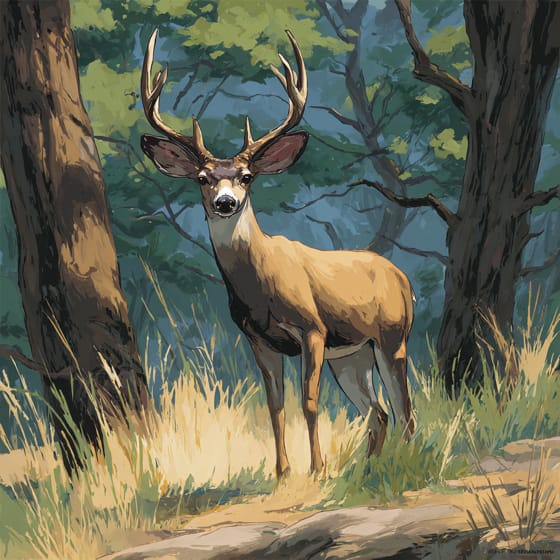
Odocoileus hemionus
Browses on its tender leaves and flowers.
Formica fusca
Disperses seeds after consuming a fatty elaiosome.
Rhizophagus irregularis
Forms a beneficial underground partnership for nutrients.
Flowering plants are any plants that produce flowers as part of their reproductive cycle.
Shade tolerant plants are adapted to grow and thrive in areas with low light levels, requiring less direct sunlight.
Spring blooming plants produce their flowers during the spring season, often signifying the end of winter and the start of new growth.
Fragrant flowers emit a pleasant aroma, often to attract pollinators or for defense.

Edible plants are those parts of a plant that are considered safe for human consumption.

Describes plants that are particularly attractive and beneficial to a wide range of pollinating organisms.

Forest habitats are terrestrial environments dominated by dense tree cover, supporting a high diversity of plant and animal life.
Danger
1/5 · Very low
Always look but don't touch wild flowers, so they can keep growing for everyone to enjoy.
The easiest way to identify giant white fawn lily is to use the Snappit nature identifier app.
15-40 cm
10-20 cm
3-7 cm
Spring
Yes
Mild
Perennial
Zoom in to split clusters and explore where this object has been snapped.
Recent snaps will appear here as new observations are added.
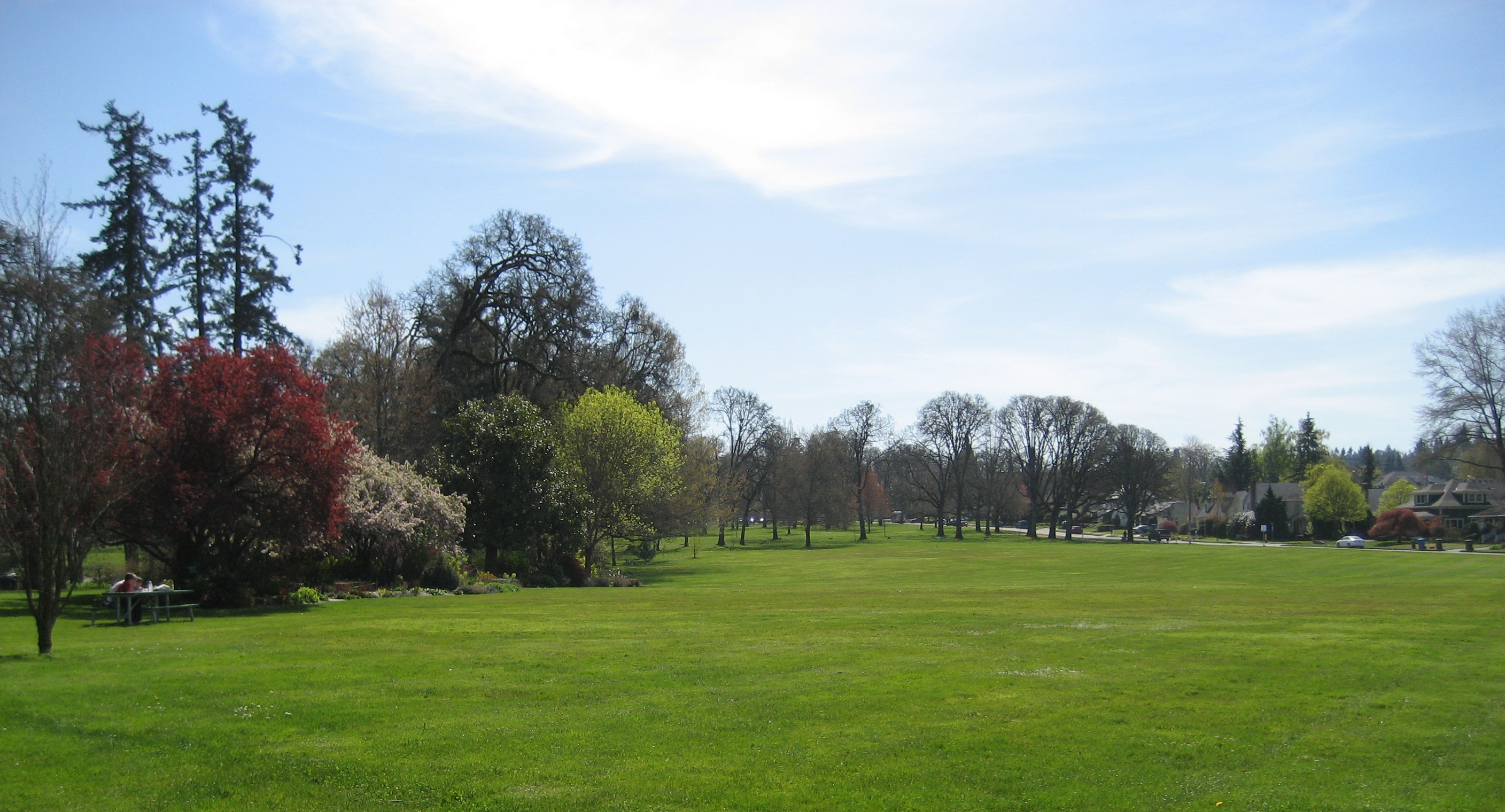
Oregon, US
You might spot Oregon Oak and Douglas's Ground Squirrel.
View guide →

Oregon, US
You might spot Great Camas, Columbian Larkspur, and Osoberry.
View guide →

Oregon, US
You might spot Pacific Trillium, Giant White Fawn Lily, and Candy Flower.
View guide →

British Columbia, CA
You might spot Broad-Leaved Stonecrop, Harbor Seal, and Ochre Sea Star.
View guide →

British Columbia, CA
You might spot Broad-Leaved Stonecrop, Salal, and Pacific Sanicle.
View guide →

Washington, US
You might spot Oregon Oak, Pacific Madrone, and Fairy-Slipper.
View guide →
Take the discovery with you
Snap it with Snappit to identify it, learn what makes it special, and add the discovery to your collection.







.jpg&width=800)


_001.jpg&width=800)


