





Goldcrest
Regulus regulus
The Goldcrest is a tiny bird with a bright yellow crown on its head. It loves to flit around in trees and is known for its sweet, cheerful song. These little birds are very energetic and can often be seen hopping through the branches.
Habitat: Forests
The Goldcrest is Europe's smallest bird, featuring an olive-green body and a pale belly. Its most striking feature is a vibrant yellow-orange crest, bordered by black stripes, making it easily identifiable.
Category
BirdsRarity
Common
Danger
1/5 · Very low
Snaps
Be the first to snap!
A Goldcrest's heart beats incredibly fast, over 1000 times per minute!
Despite their size, Goldcrests can cross seas during migration! Wow!
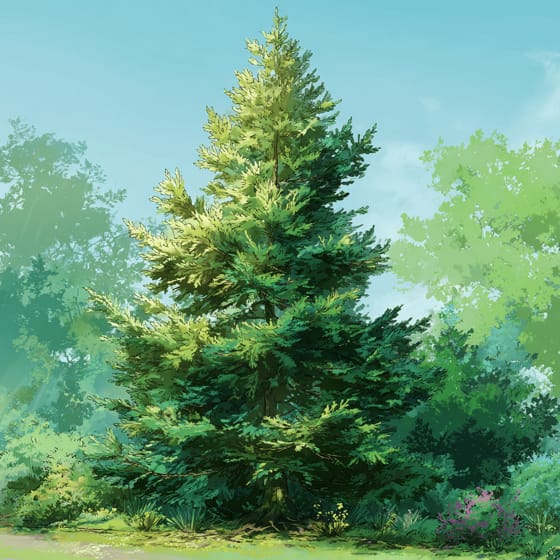
Goldcrests build cup-shaped nests so tiny, they are often hidden high in conifer trees!
They lay up to 12 eggs, which is a huge clutch for such a small bird!
Goldcrests can cling upside down to branches, expertly searching for insects hidden beneath needles.
Goldcrests have a fast metabolism and shiver constantly to stay warm in freezing winter temperatures.
Goldcrests have a very fine, pointed bill that helps them pluck tiny insects from pine needles and crevices.
Tiny insect-eaters, they meticulously search for small bugs among tree needles.
Social animals live in organized groups, cooperating for survival benefits such as foraging, defense, and raising offspring.
Singing animals produce complex vocalizations, often for purposes of attracting mates, defending territory, or communicating within their species.
Arboreal animals live primarily in trees, utilizing them for shelter, food, and protection from predators.
Colorful describes organisms or objects displaying a wide range of bright and distinct colors.

This trait identifies organisms whose diet primarily consists of insects and other small invertebrates.

Forest habitats are terrestrial environments dominated by dense tree cover, supporting a high diversity of plant and animal life.

Diurnal animals are primarily active during daylight hours, typically resting or sleeping at night.

Pertaining to species that are significantly smaller than typical or average for their kind.
Danger
1/5 · Very low
Always watch birds from a distance and do not try to touch them.
The easiest way to identify Goldcrest is to use the Snappit nature identifier app.
8.5-9.5 cm
13-16 cm
0.004-0.007 kg
2-3 years
30 km/h
Tiny insect-eaters, they meticulously search for small bugs among tree needles.
Forests
Zoom in to split clusters and explore where this object has been snapped.
Recent snaps will appear here as new observations are added.
Take the discovery with you
Snap it with Snappit to identify it, learn what makes it special, and add the discovery to your collection.





.jpg&width=800)








