





golden-headed lion tamarin
Leontopithecus chrysomelas
The golden-headed lion tamarin is a small monkey with a bright golden mane! These playful creatures love to swing through the trees and are found in the beautiful forests of Brazil.
Habitat: Forests
The golden-headed lion tamarin has a striking coat with a vibrant golden head, neck, and forelimbs that contrast sharply with its glossy black body, hind limbs, and tail. Its long, flowing golden mane gives it a regal appearance, making it easily distinguishable.
Category
MammalsRarity
Rare
Danger
1/5 · Very low
Snaps
Be the first to snap!
Dad tamarins often carry their babies on their backs, giving mom a break!
Each family group has its own special 'song' to chat with nearby tamarin families.
Their sticky tongues are perfect for lapping up sweet tree sap and nectar!
They sleep huddled together in tree holes or dense vines to keep warm and safe.
golden-headed lion tamarin can leap between trees because of strong legs and gripping claws, helping them navigate their forest home with ease.
golden-headed lion tamarin can use their long, slender fingers to probe into crevices because of their specialized hand structure, helping them extract hidden insects and nectar.
golden-headed lion tamarin can make distinct whistles and trills because of their vocal cords, helping them warn their family of danger or find each other.
golden-headed lion tamarin has dark fur on its body that helps them absorb warmth from the sun, giving them energy for the day.
These tiny monkeys love to munch on a mix of juicy fruits, sweet nectar, tasty insects, and small animals.
Leopardus tigrinus
Hunted by this small wild cat.
Buteogallus urubitinga
Preyed upon by this powerful bird of prey.
Ficus citrifolia
Disperses seeds after eating its fruits.
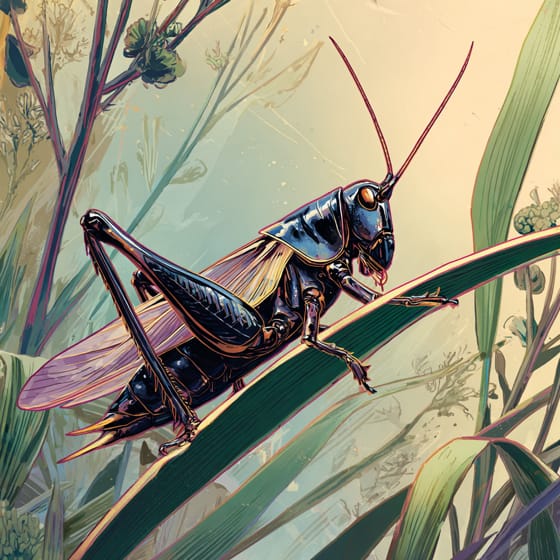
Gryllus assimilis
Eats this cricket and other small invertebrates.
Furry describes animals possessing a dense covering of soft hair or fur.
Social animals live in organized groups, cooperating for survival benefits such as foraging, defense, and raising offspring.
This trait identifies organisms whose diet includes both plant and animal matter.
Forest habitats are terrestrial environments dominated by dense tree cover, supporting a high diversity of plant and animal life.

Diurnal animals are primarily active during daylight hours, typically resting or sleeping at night.

Endangered status indicates a species is at a very high risk of extinction in the wild in the near future.
No aliases listed yet.
Danger
1/5 · Very low
Always watch animals from a distance and never try to touch them.
The easiest way to identify golden-headed lion tamarin is to use the Snappit nature identifier app.
20-34 cm
0.36-0.71 kg
8-15 years
15 km/h
These tiny monkeys love to munch on a mix of juicy fruits, sweet nectar, tasty insects, and small animals.
Forests
Foraging
Zoom in to split clusters and explore where this object has been snapped.
Recent snaps will appear here as new observations are added.
Take the discovery with you
Snap it with Snappit to identify it, learn what makes it special, and add the discovery to your collection.





.jpg&width=800)


.JPG&width=800)



.jpg&width=800)
