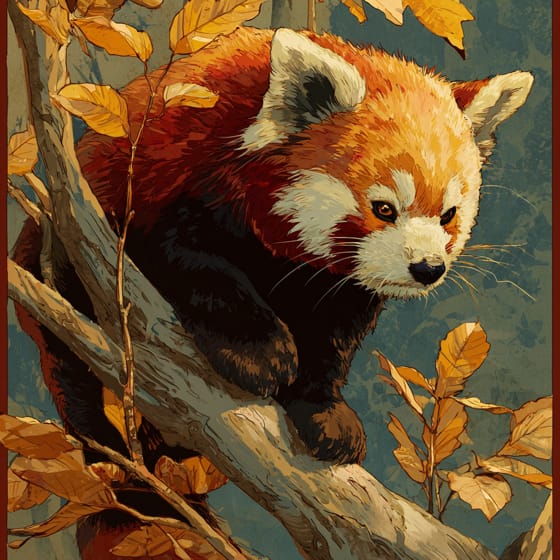
Red Panda
The Naturschutz-Tierpark Görlitz, nestled in the picturesque region of Saxony, Germany, is far more than a conventional zoo.
The Naturschutz-Tierpark Görlitz, nestled in the picturesque region of Saxony, Germany, is far more than a conventional zoo. This lovingly designed nature conservation park, though modest in its 5-hectare size, offers an incredibly intimate and engaging experience with approximately 500 animals from over 100 species. It stands out for its "closeness" concept, aiming to minimize barriers between visitors and animals, fostering a deeper connection and understanding of the natural world. The park earned recognition for its unique approach, ranking among the most popular zoos in Germany in a nationwide online ranking in October 2025.
Visitors can embark on a captivating journey through thoughtfully themed areas, including the highlight, Europe's only Tibetan Village, which authentically showcases Tibetan culture, architecture, and its characteristic domestic animals like Yaks and Bactrian Camels. Another key attraction is the Lusatian Farm, dedicated to preserving endangered old domestic breeds such as Thuringian Forest Goats and Rough-woolled Pomeranian Sheep, offering interactive opportunities for visitors to feed and even brush the animals. The park is also home to charming Red Pandas, which can often be observed in their cozy birthing dens, and features accessible enclosures where guests can meet Great Grey Kangaroos and Alpine Ibex up close.
A visit to Naturschutz-Tierpark Görlitz is an immersive experience designed to delight and educate. The park's commitment to nature conservation is evident through its active participation in breeding programs for endangered species and its involvement in both regional and international conservation projects, such as those protecting Red Pandas in Nepal and Griffon Vultures in Bulgaria. It’s a place where learning happens playfully, especially for children, with numerous themed playgrounds like the UNESCO-rewarded domestic animal playground that explains the cycle of milk. The relaxed atmosphere and focus on interactive encounters make it a memorable destination, encouraging visitors of all ages to appreciate biodiversity and the importance of conservation. Explore the grounds like a pro—download the Snappit app to instantly identify animals and plants.
The Naturschutz-Tierpark Görlitz was established in 1957, initiated by the Görlitz city council and then-mayor Bruno Gleißberg. Early development saw significant community involvement, with local businesses and residents contributing donations to build the first enclosures for animals like bears, ponies, wild boars, fallow deer, and rhesus monkeys by 1960. Over the decades, the park evolved, opening a zoo school in 1974 to further its educational mission. Under the leadership of later director Axel Gebauer, the zoo underwent modernization, adopting a stronger focus on nature conservation. This strategic shift led to a specialization in native and Asian animal species, alongside the preservation of old domestic breeds, distinguishing it as a unique "Nature Conservation Zoo" committed to both ex-situ (breeding outside natural habitat) and in-situ (habitat protection) species conservation efforts.
Engage in hands-on activities like feeding porcupines, camels, and chicks, or brushing goats and pigs, using only the zoo-provided food and brushes. Explore the Discovery Barn and various themed playgrounds, which provide educational entertainment. Check the daily schedule for public animal feedings and presentations for Red Pandas, Corsac Foxes, Banded Mongooses, and other species.
Spring often brings the excitement of newborn animals, such as donkey foals and goat kids. Winter offers a quieter experience, with shorter operating hours and possibly snow-covered landscapes, which can be particularly scenic.
While specific details are not extensively listed, the park's website mentions "Barrierefreiheit" (accessibility). Visitors can expect well-maintained paths suitable for strollers and wheelchairs, though some areas may have natural terrain. Dogs are welcome on a short leash but are restricted from certain buildings, enclosures, and playgrounds.
Don't miss the unique Tibetan Village, home to Yaks and Bactrian Camels, and the interactive Lusatian Farm with its rare domestic breeds. The accessible enclosures offer close encounters with animals like Great Grey Kangaroos and Alpine Ibex. Keep an eye out for the adorable Red Pandas and the lively European Otters.
Each card links to a full Explore page with photos, traits, and fun facts.
Start with the big picture, then zoom in to explore individual wildlife observations around this place.
Check Feeding Times
Upon arrival, consult the daily schedule for public animal feedings and presentations (e.g., Red Pandas, Banded Mongooses, European Otters). These are great opportunities for observation and photography.
Wear Comfortable Shoes
The park involves a walking route of approximately 2 kilometers, so comfortable footwear is highly recommended.
Utilize Interactive Opportunities
Don't miss the chance to brush goats or pigs and feed designated animals with the zoo's special feed, particularly at the Lusatian Farm and Tibetan Village.
Explore the Playgrounds
If visiting with children, factor in ample time for the various themed playgrounds, including the UNESCO-rewarded milk cycle playground and the Discovery Barn.
Parking and Public Transport
Parking is available at Zittauer Straße 19. Alternatively, the train station parking garage is about a 7-minute walk away. The zoo is also accessible via tram line 1 to the "Görlitz Tierpark" stop.
Bring a Camera
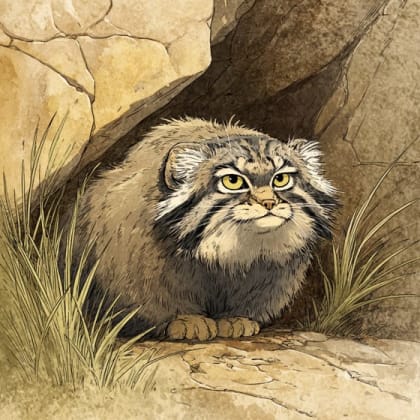
The naturalistic enclosures and unique animal species like Red Pandas, Manuls, and Golden-headed Lion Tamarins offer fantastic photo opportunities.
Feb 22, 2026
Feb 21, 2026
Feb 21, 2026
Feb 21, 2026
Feb 20, 2026

Michigan, US
You might spot African Lion, Komodo Dragon, and Brown Bear.
View guide →
.jpg)
Municipal District of Cobh, IE
You might spot Ring-Tailed Lemur, Giraffes, and Cheetahs.
View guide →

Nouvelle-Aquitaine, FR
You might spot Greater Flamingo, Giraffes, and Red Panda.
View guide →

Texas, US
You might spot Giraffes, African Lion, and Eastern Black Rhinoceros.
View guide →
Take the discovery with you
Identify the wildlife you spot, learn as you go, and keep a collection of the adventure.