





Golden-winged Skimmer
Libellula auripennis
The Golden-winged Skimmer is a beautiful dragonfly with shiny golden wings. It loves to fly over ponds and lakes, catching tiny bugs to eat. Watching it zoom around is like seeing a little superhero in the sky!
Habitat: Wetlands
The Golden-winged Skimmer has distinct golden-orange patches at the base of its wings, especially on the hindwings. Its body is typically yellowish-brown, maturing to a reddish-brown in older males, contrasting with their large, dark eyes. This golden wing coloration helps distinguish it.
Category
InsectsRarity
Common
Danger
1/5 · Very low
Snaps
1
A single Golden-winged Skimmer can eat hundreds of mosquitoes in just one day!
Dragonflies were among the very first winged insects to ever exist on Earth millions of years ago!
Dragonfly babies, called naiads, live underwater for years, breathing with gills!
They can fly backwards, sideways, and even hover perfectly still, just like a tiny helicopter!
Golden-winged Skimmer can expertly hover and fly in all directions because of powerful, independently controlled wings.
Golden-winged Skimmer has enormous compound eyes that provide almost 360-degree vision, helping them spot tiny prey.
Golden-winged Skimmer can snatch flying insects mid-air using its spiny legs, which form a handy basket.
These skillful aerial hunters feast on smaller flying insects.
Age differences: Larvae are aquatic predators, eating small aquatic invertebrates and tadpoles; adults hunt flying insects.
Aedes aegypti
Reduces mosquito populations.
Chironomus plumosus
Feeds on abundant aquatic midges.
.jpg&width=800)
Tyrannus tyrannus
Caught by aerial bird predators.
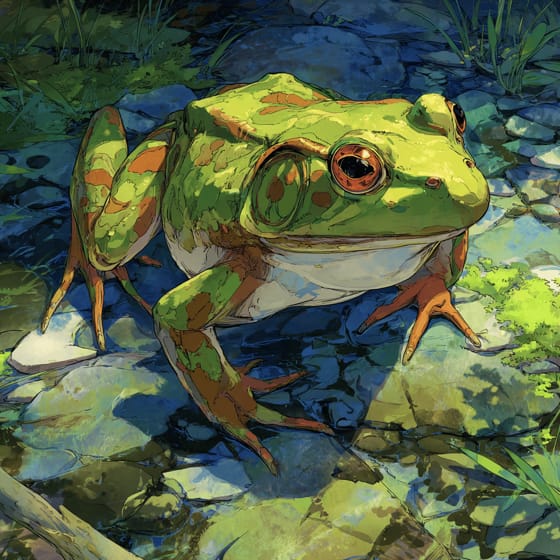
Rana catesbeiana
Adults and larvae consumed by frogs.
Solitary animals live alone for most of their lives, only interacting with others for mating or parental care.
Colorful describes organisms or objects displaying a wide range of bright and distinct colors.
This trait identifies organisms whose diet primarily consists of insects and other small invertebrates.
Describes plants that are particularly attractive and beneficial to a wide range of pollinating organisms.

This habitat trait identifies species found in wetlands, which are areas of land saturated with water, either permanently or seasonally, including marshes, swamps, and bogs.

Diurnal animals are primarily active during daylight hours, typically resting or sleeping at night.

This trait identifies organisms that exhibit exceptional swiftness in movement for hunting, escape, or travel.

Describes organisms that transfer pollen, enabling the fertilization and reproduction of plants.
No aliases listed yet.
Danger
1/5 · Very low
Dragonflies are friendly and won't hurt you, but it's best to watch them from a distance.
The easiest way to identify Golden-winged Skimmer is to use the Snappit nature identifier app.
60-80 mm
44-58 mm
30-90 days
25 km/h
These skillful aerial hunters feast on smaller flying insects.
Wetlands
Pursuit
Zoom in to split clusters and explore where this object has been snapped.
Take the discovery with you
Snap it with Snappit to identify it, learn what makes it special, and add the discovery to your collection.









.jpg&width=800)



