





Graham's nipple cactus
Cochemiea grahamii
Graham's nipple cactus is a small, round cactus with little bumps on its surface. It loves sunny, dry places and can bloom beautiful flowers when it's happy!
Habitat: Desert
The Graham's nipple cactus has a spherical to cylindrical green body covered in prominent, rounded bumps called tubercles. Each tubercle sports a cluster of sharp, whitish radial spines and a distinctive reddish-brown, downward-hooked central spine, giving it a unique "fishhook" appearance.
Category
PlantsRarity
Common
Danger
2/5 · Low
Snaps
4
Even in scorching deserts, this cactus keeps its cool by growing slowly.
Its little fruits are called 'chilitos' by locals, meaning 'little chilis'!
Some desert birds love to build nests right among its spiny defenses!
The hooked spines can actually grab onto fur, helping its seeds hitch a ride!
Graham's nipple cactus can swell its stem to store precious water, helping it survive long droughts in its desert home.
This cactus has sharp, hooked central spines that deter hungry animals from trying to eat its juicy stem.
Graham's nipple cactus produces small, bright red, edible fruits that attract animals, helping to spread its seeds.
Apis mellifera
Gathers nectar and pollen from its flowers.

Calypte anna
Feeds on nectar, transferring pollen between blooms.

Neotoma albigula
Eats parts of the cactus, especially fruits and stems.
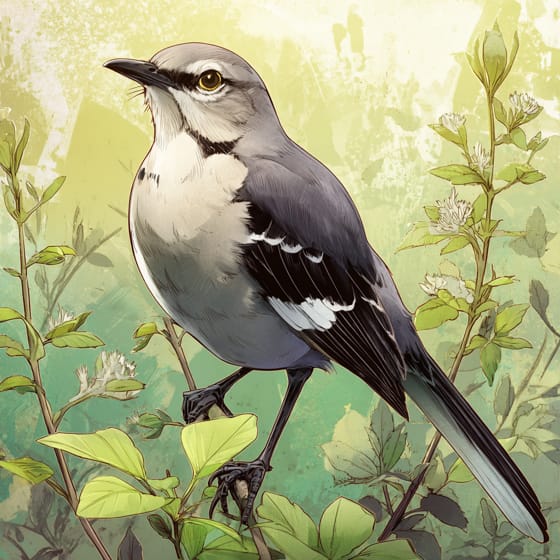
Mimus polyglottos
Consumes the bright red fruits, aiding in seed dispersal.
Flowering plants are any plants that produce flowers as part of their reproductive cycle.
Drought-tolerant plants can survive and flourish in conditions with limited water availability.
Succulent plants have thickened, fleshy parts, usually leaves or stems, adapted to store water in arid climates.
Describes plants that are particularly attractive and beneficial to a wide range of pollinating organisms.

Desert habitats are arid regions characterized by extremely low precipitation and often extreme temperatures, supporting specialized flora and fauna.

This trait characterizes organisms with an exceptionally long lifespan compared to others of their kind.
No aliases listed yet.
Danger
2/5 · Low
Be careful not to touch the spines, as they can be sharp.
The easiest way to identify Graham's nipple cactus is to use the Snappit nature identifier app.
10-20 cm
10-30 cm
2-3 cm
Spring to early summer
Yes
None
Perennial
Zoom in to split clusters and explore where this object has been snapped.

Arizona, US
You might spot Christmas Cholla and California Barrel Cactus.
View guide →

Arizona, US
You might spot Saguaro.
View guide →

Arizona, US
You might spot Saguaro, Fishhook Barrel Cactus, and Desert Spiny Lizard.
View guide →

Arizona, US
You might spot Chuparosa, Verdin, and American Threefold.
View guide →
Take the discovery with you
Snap it with Snappit to identify it, learn what makes it special, and add the discovery to your collection.








.jpg&width=800)



_001.jpg&width=800)



