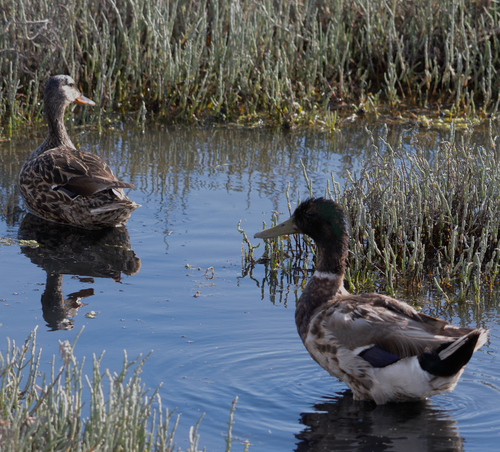
Duck

Professorville is a living museum of turn-of-the-century architecture.
Professorville is a living museum of turn-of-the-century architecture. This charming historic district, nestled in Palo Alto, California, offers a captivating journey through the early days of Stanford University and the city itself. Distinguished by its tree-lined streets and a remarkable collection of well-preserved homes, Professorville provides a unique glimpse into the lives and aesthetics of Stanford's founding faculty members. It's a place where history resonates through every intricately designed facade and picturesque streetscape, inviting visitors to step back in time.
The district showcases a rich tapestry of architectural styles, including the distinctive Shingle, Colonial Revival, and Craftsman designs, along with Victorian and Dutch Colonial influences. Notable residences like the Angell House, known for its Eastern Shingle style and gambrel roofs, and the "Sunbonnet House" at 1061 Bryant, designed by Bernard Maybeck, stand as prime examples of the area's architectural diversity and craftsmanship. Visitors can admire the intricate details of brickwork, unique fenestration, and the cohesive skin of shingled surfaces that characterize these historic dwellings.
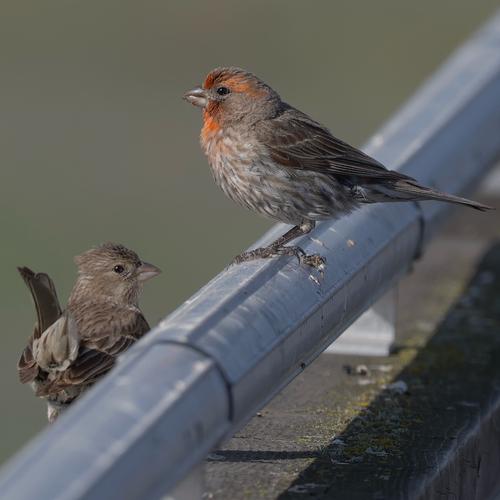
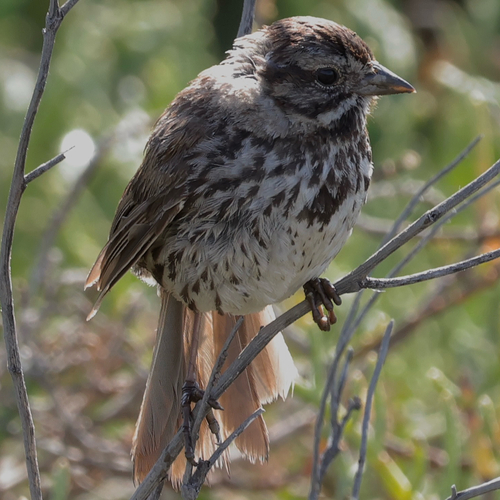
More than just a collection of old houses, Professorville is a walkable neighborhood that embodies a profound sense of community and intellectual heritage. Its close proximity to Stanford University and downtown Palo Alto makes it an ideal spot for those interested in history, architecture, and a leisurely stroll. Exploring these streets offers a memorable experience, revealing the elegance and distinct character of an iconic American neighborhood where each home tells a story of innovation and early academic life. Planning to visit? Download the Snappit app to identify the wildlife you spot in real-time.
Buffs * Walkers and Pedestrians * Photography * Couples and Individuals seeking a peaceful exploration * Those interested in the history of Silicon Valley and Stanford University
Take a self-guided or organized walking tour to observe the unique architectural details of each home. Look for the variety in rooflines, shingle patterns, window styles, and decorative elements. Enjoy the verdant tree canopy and the overall historic ambiance.
Palo Alto experiences a Mediterranean climate with dry, warm summers and mild, wet winters. Spring and Fall offer the most comfortable walking weather. Rain is infrequent during the dry season, but winter months can bring occasional light showers.
As a residential neighborhood, Professorville primarily consists of sidewalks and streets, which are generally accessible for walking. Specific accessibility features for individual properties are not applicable, as these are private residences viewed from public ways.
The stunning collection of Shingle, Colonial Revival, Craftsman, Queen Anne, Victorian, and Dutch Colonial style homes. Specific notable houses include the Angell House (1005 Bryant), Murray House (1017 Bryant), Thoburn House (331 Lincoln), Wing House (345 Lincoln), the "Sunbonnet House" (1061 Bryant), Varian House (1044 Bryant), and the former home of Professor Fernando Sanford (450 Kingsley Avenue).
Each card links to a full Explore page with photos, traits, and fun facts.
Start with the big picture, then zoom in to explore individual wildlife observations around this place.
Wear comfortable shoes
Professorville is best explored on foot to fully appreciate the architectural details and charming streetscapes.
Bring a camera
The historic homes and tree-lined streets offer excellent photographic opportunities.
Go early or late
Early mornings or late afternoons provide softer light for photography and a quieter atmosphere.
Respect private property
Remember that these are private residences; admire them from the sidewalks and public areas.
Look for architectural details
Pay attention to rooflines, porch designs, window types, and decorative elements that define each home's style.
Consider a self-guided tour
While guided tours are available, a self-guided walk allows for exploration at your own pace. Information about notable houses can be found online to guide your visit.
Jun 19, 2026
Photo attribution
no rights reserved
License: CC0 1.0 ↗
Image may be shown cropped inside the card frame.
Jun 19, 2026
Photo attribution
no rights reserved
License: CC0 1.0 ↗
Image may be shown cropped inside the card frame.
Jun 19, 2026
Photo attribution
no rights reserved
License: CC0 1.0 ↗
Image may be shown cropped inside the card frame.
Jun 19, 2026
Photo attribution
no rights reserved
License: CC0 1.0 ↗
Image may be shown cropped inside the card frame.
Jun 19, 2026
Photo attribution
no rights reserved
License: CC0 1.0 ↗
Image may be shown cropped inside the card frame.

Maryland, US
You might spot White-Tailed Deer and Eastern Gray Squirrel.
View guide →
.jpg)
District of Columbia, US
You might spot Eastern Gray Squirrel, Duck, and House Sparrow.
View guide →

Illinois, US
You might spot American Robin, Canada Goose, and House Sparrow.
View guide →

Virginia, US
You might spot Spotted Lanternfly and Northern Cardinal.
View guide →
Take the discovery with you
Identify the wildlife you spot, learn as you go, and keep a collection of the adventure.