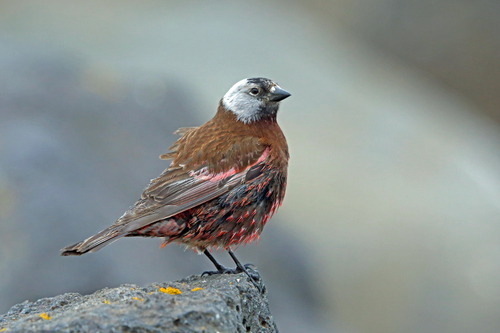


Gray-Crowned Rosy-Finch
leucosticte tephrocotis
The Gray-Crowned Rosy-Finch is a rugged and charismatic songbird built for survival in some of North America's most extreme environments. Living high above the timberline in alpine tundra, talus slopes, and windswept glaciers, this resilient member of the finch family is a true mountaineer. Known for its remarkable tolerance to freezing temperatures, it can often be seen hopping actively across snowfields in search of wind-blown insects and seeds. During the winter, harsh alpine weather drives these hardy birds down to lower elevations, bringing their vibrant presence to mountain valleys and backyard bird feeders. Their highly adaptive foraging strategies and specialized anatomical features allow them to thrive where few other birds dare to nest.
Habitat: Typically found in high-altitude alpine tundra, rocky talus slopes, and glaciers above the treeline during the summer, migrating to lower montane valleys in winter.
This medium-sized finch features a warm, dark brown body contrasted beautifully with brilliant rosy-pink washes on its wings, rump, and belly. A distinctive ash-gray patch crowns the back of its head and cheeks, while its forehead is marked by a stark black patch. Its bill undergoes a striking seasonal transformation, changing from a sharp, dark black during the breeding season to a bright yellow during the winter months. They have long, pointed wings and a notched tail, which help them navigate the turbulent mountain winds.
Category
BirdsRarity
Common
Danger
1/5 · Very low
Snaps
1
In severe winter weather, they can form massive nomadic flocks of several thousand birds as they descend into valleys in search of food.
Their specialized throat pouch allows parents to collect and transport dozens of insects at a time back to their hungry chicks.
They are among the highest-altitude nesting birds in all of North America, often building nests in rock crevices above the treeline.
Exhibits specialized foraging behavior by hopping along high-altitude snowfields to harvest frozen, wind-blown insects.
Possesses a unique throat pouch beneath the tongue used to store and carry large quantities of food back to nestlings.
Capable of surviving freezing temperatures and high-velocity winds due to dense, insulating plumage and behavioral roosting in rock cavities.
Feeds primarily on wind-blown insects frozen in snowfields during the breeding season, switching to a diet of alpine plant seeds in winter.
Age differences: Chicks are fed almost exclusively insects and spiders from the parents' gular pouches, while adults transition to seeds and plant matter in the colder months.
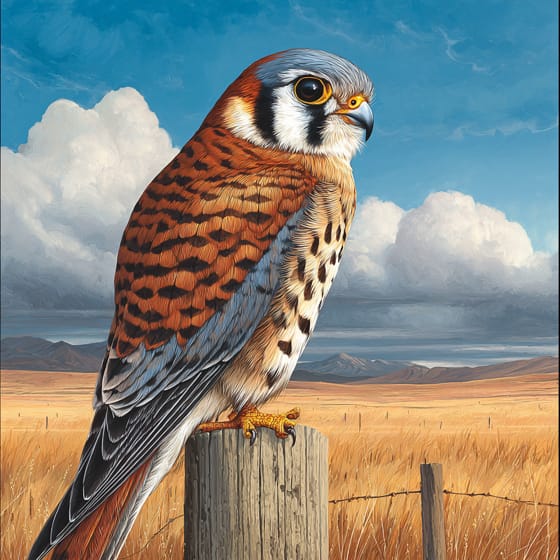
Falco sparverius
Preys upon adult rosy-finches in open, high-altitude alpine landscapes.
Mustela erminea
Raids high-altitude rocky nests to consume unguarded eggs and nestlings.
Dryas octopetala
Provides critical seed resources for the finch during early spring and summer foraging.
No trait badges are assigned for this object yet.
No aliases listed yet.
Collections for this object will appear here as more themes are added.
Danger
1/5 · Very low
No special safety notes yet.
The easiest way to identify Gray-Crowned Rosy-Finch is to use the Snappit nature identifier app.
14+ cm
30+ cm
0.022+ kg
3+ years
45 km/h
Feeds primarily on wind-blown insects frozen in snowfields during the breeding season, switching to a diet of alpine plant seeds in winter.
Typically found in high-altitude alpine tundra, rocky talus slopes, and glaciers above the treeline during the summer, migrating to lower montane valleys in winter.
Zoom in to split clusters and explore where this object has been snapped.
Take the discovery with you
Snap it with Snappit to identify it, learn what makes it special, and add the discovery to your collection.








.jpg&width=800)









