.jpg&width=800)





Gray Partridge
Perdix perdix
The Gray Partridge is a small bird with a round body and a short tail. They are often found in fields and grasslands, where they like to hide among the plants.
Habitat: Grasslands
The Gray Partridge is a plump, medium-sized ground bird. It has a grey body with fine brown barring, a reddish-brown face, and a distinctive dark chestnut horseshoe-shaped patch on its chest. Its short, rusty tail is often seen in flight, setting it apart from other small game birds.
Category
BirdsRarity
Common
Danger
1/5 · Very low
Snaps
6
A Gray Partridge mom can lay over 20 eggs, one of the biggest clutches in the bird world!
Chicks can run and find their own food just hours after hatching, amazing for babies!
In winter, families form huddles called 'coveys' to share body warmth and stay safe together.
They love to take 'dust baths,' rolling in dry soil to clean their feathers and remove tiny pests.
Gray Partridge has finely barred feathers that help them disappear into grassy fields, making them masters of disguise.
Gray Partridge can burst into fast, low flight because their powerful wings help them escape predators quickly.
Gray Partridge can lay huge clutches of up to 20 eggs, which helps ensure more chicks survive.
Gray Partridge has strong legs and feet that help them run quickly and forage on the ground for food.
Gray Partridges mostly munch on seeds, grains, and green plants, but chicks also love tasty insects!
Age differences: Chicks primarily eat protein-rich insects for growth; adults shift to mostly plant material.
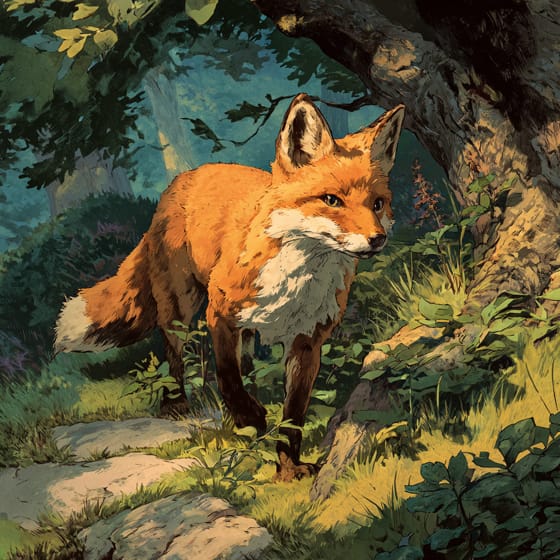
Vulpes vulpes
A common predator for adults and eggs in their grassland habitats.
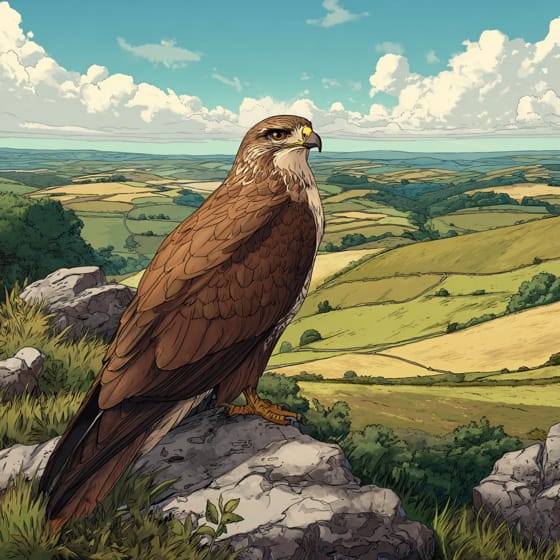
Buteo buteo
Hunts partridges from above in open field environments.
Triticum aestivum
Feeds on fallen grains and young shoots in agricultural fields.
Aphis fabae
Chicks rely on these small insects for essential protein.
Feathered describes animals, primarily birds, possessing a covering of feathers.
Social animals live in organized groups, cooperating for survival benefits such as foraging, defense, and raising offspring.
Camouflaged describes organisms that possess coloring or patterns that allow them to blend into their environment.
Grassland habitats are terrestrial biomes dominated by grasses and herbaceous plants, supporting a variety of grazing animals.

This trait characterizes organisms whose diet consists entirely or primarily of plant material.

Diurnal animals are primarily active during daylight hours, typically resting or sleeping at night.

This trait identifies organisms that exhibit exceptional swiftness in movement for hunting, escape, or travel.
No aliases listed yet.
Danger
1/5 · Very low
If you see a bird, watch quietly and don't try to catch it.
The easiest way to identify Gray Partridge is to use the Snappit nature identifier app.
28-32 cm
45-48 cm
0.3-0.5 kg
2-4 years
50 km/h
Gray Partridges mostly munch on seeds, grains, and green plants, but chicks also love tasty insects!
Grasslands
Zoom in to split clusters and explore where this object has been snapped.

Hainaut, BE
You might spot Giant Panda, Polar Bear, and Tiger.
View guide →

North Dakota, US
You might spot Red Panda, Pallas's Cat, and Sichuan Takin.
View guide →
North Dakota, US
You might spot African Lion, Tiger, and Reticulated Giraffe.
View guide →

Idaho, US
You might spot Bald Eagle, Red-Tailed Hawk, and Rough-Legged Hawk.
View guide →
Take the discovery with you
Snap it with Snappit to identify it, learn what makes it special, and add the discovery to your collection.




.jpg&width=800)








