.jpg&width=800)





Great Black Digger Wasp
Sphex pensylvanicus
The Great Black Digger Wasp is a shiny black insect that digs in the ground to make nests. They are helpful because they catch and store bugs to feed their babies!
Habitat: Grasslands
The Great Black Digger Wasp is a large, entirely black insect with a sleek, slender body and dark, smoky wings. Its prominent black antennae and long, strong legs help distinguish it from other dark-colored wasps, which often have yellow or white markings.
Category
InsectsRarity
Common
Danger
2/5 · Low
Snaps
5
Females can carry prey heavier and bigger than their own body!
Its babies eat live, paralyzed food for their very first meal!
Mom wasp digs a brand new burrow for each single egg she lays.
They use tiny pebbles to seal their nest tunnels after laying eggs.
Great Black Digger Wasp has powerful, spiky legs that help them rapidly excavate underground burrows for their offspring.
Great Black Digger Wasp can fly while carrying prey almost as large as itself, hauling it back to the nest.
Great Black Digger Wasp can remember the exact location of its burrow, navigating complex environments to bring food home.
Adults sip nectar for energy, but their babies feast on paralyzed insects found and caught by the mother.

Gryllus pennsylvanicus
Paralyzed and buried as food for its larvae.

Melanoplus differentialis
Captured to provision the underground nests.
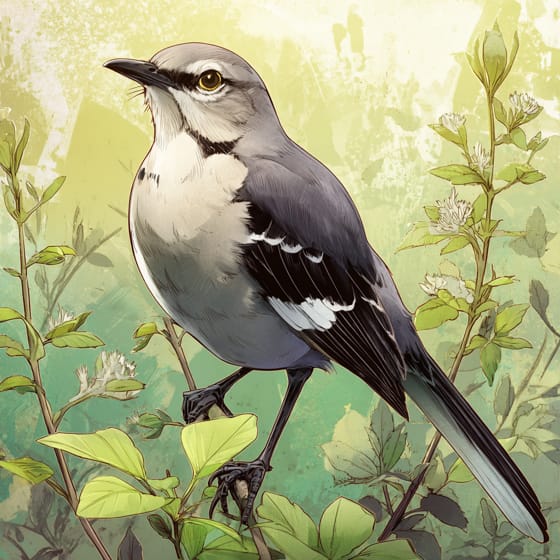
Mimus polyglottos
This bird may prey on adult wasps.

Asclepias syriaca
Adult wasps visit flowers for nectar.
Furry describes animals possessing a dense covering of soft hair or fur.
Solitary animals live alone for most of their lives, only interacting with others for mating or parental care.
Burrowing animals dig tunnels and chambers in the ground, using these subterranean structures for shelter, hunting, or breeding.
Grassland habitats are terrestrial biomes dominated by grasses and herbaceous plants, supporting a variety of grazing animals.

This trait identifies organisms whose diet primarily consists of insects and other small invertebrates.

This trait identifies organisms whose diet consists entirely or primarily of animal tissue.

Diurnal animals are primarily active during daylight hours, typically resting or sleeping at night.

Describes a species whose presence and role have a disproportionately large effect on its environment.

Describes organisms that transfer pollen, enabling the fertilization and reproduction of plants.
No aliases listed yet.
Danger
2/5 · Low
Stay calm and don't swat at wasps; they usually won't bother you.
The easiest way to identify Great Black Digger Wasp is to use the Snappit nature identifier app.
30-50 mm
15-28 mm
20-40 days
25 km/h
Adults sip nectar for energy, but their babies feast on paralyzed insects found and caught by the mother.
Grasslands
Pursuit
Zoom in to split clusters and explore where this object has been snapped.

Iowa, US
You might spot Common Eastern Bumble Bee and Eastern Cottontail.
View guide →

Iowa, US
You might spot Common Eastern Bumble Bee and North American Luna Moth.
View guide →

Virginia, US
You might spot Asian Lady Beetle, Spotted Lanternfly, and Christmas Fern.
View guide →

Indiana, US
You might spot Panthera Pardus Orientalis and Reticulated Giraffe.
View guide →

South Carolina, US
You might spot Green Cloverworm Moth and Black-Dotted Ruddy Moth.
View guide →

Illinois, US
You might spot Silver-Spotted Skipper, Eastern Fox Squirrel, and Monarch.
View guide →
Take the discovery with you
Snap it with Snappit to identify it, learn what makes it special, and add the discovery to your collection.






.jpg&width=800)



