





Great Plains Ratsnake
Pantherophis emoryi
The Great Plains Ratsnake is a friendly snake that can be found in the grasslands. It has beautiful patterns on its skin and loves to climb trees and hunt for small animals.
Habitat: Grasslands
The Great Plains Ratsnake has a tan to light gray body adorned with dark brown or black blotches that run down its back, often fading towards its tail. Its belly is usually white or yellowish with a checkered pattern, which helps distinguish it from some other local snakes.
Category
ReptilesRarity
Common
Danger
1/5 · Very low
Snaps
3
Great Plains Ratsnakes are sometimes called 'chicken snakes'!
These amazing snakes are non-venomous and harmless to people!
They can freeze perfectly still to avoid being seen by predators!
They lay clutches of eggs in hidden spots like rotten logs!
Great Plains Ratsnake can squeeze its prey tightly to immobilize it because of its strong, muscular body.
Great Plains Ratsnake can climb trees and structures using special belly scales that help them grip, aiding in hunting and escape.
Great Plains Ratsnake can vibrate its tail rapidly when threatened, creating a rattling sound that helps them scare away predators.
These snakes are carnivores that primarily hunt small mammals and birds.
Age differences: Young snakes might eat more lizards and frogs before graduating to larger prey.
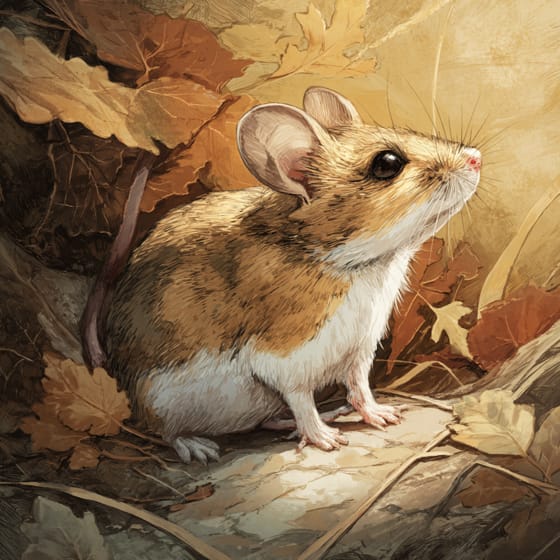
Peromyscus maniculatus
A primary food source in its habitat.
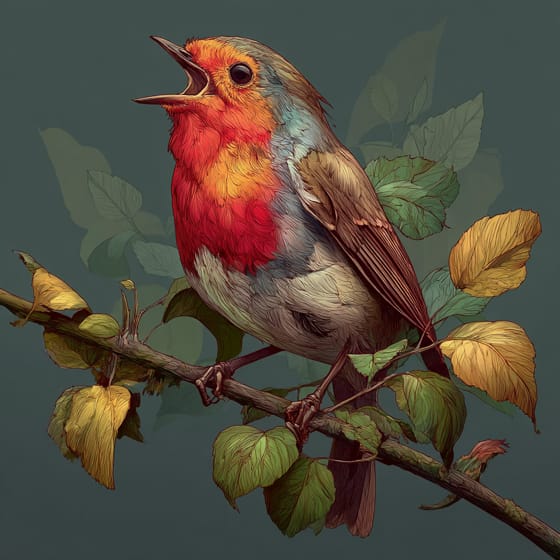
Turdus migratorius
Hunts eggs and nestlings from ground nests.
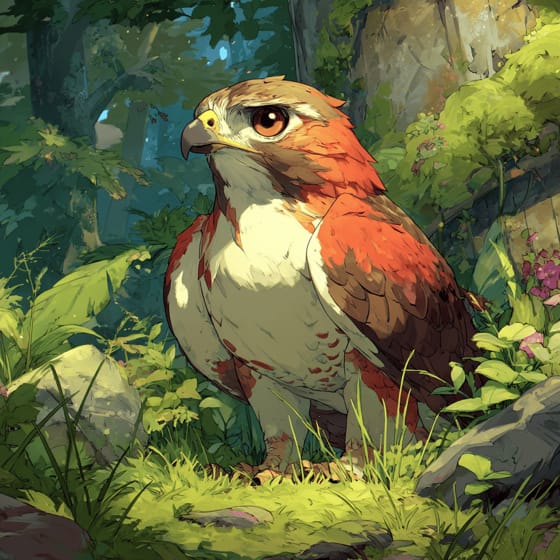
Buteo jamaicensis
A significant aerial predator of these snakes.
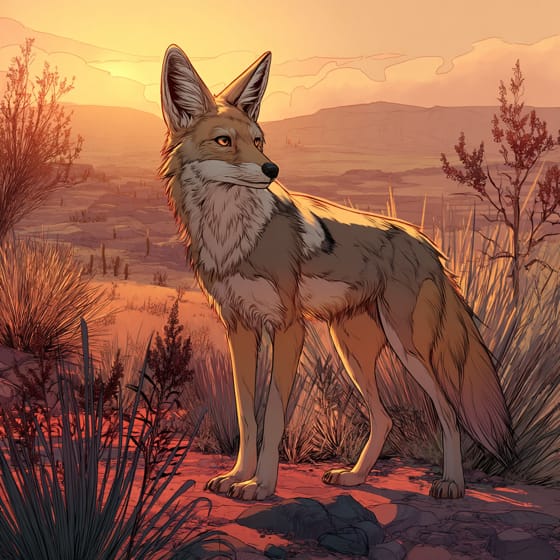
Canis latrans
Opportunistic predator in open habitats.
Marked with parallel bands or lines of color.
Solitary animals live alone for most of their lives, only interacting with others for mating or parental care.
Arboreal animals live primarily in trees, utilizing them for shelter, food, and protection from predators.
Camouflaged describes organisms that possess coloring or patterns that allow them to blend into their environment.

Colorful describes organisms or objects displaying a wide range of bright and distinct colors.

Grassland habitats are terrestrial biomes dominated by grasses and herbaceous plants, supporting a variety of grazing animals.

This trait identifies organisms whose diet consists entirely or primarily of animal tissue.

Diurnal animals are primarily active during daylight hours, typically resting or sleeping at night.
No aliases listed yet.
Danger
1/5 · Very low
If you see a snake, it's best to stay calm and walk away slowly. Never try to touch or catch it.
The easiest way to identify Great Plains Ratsnake is to use the Snappit nature identifier app.
90-150 cm
0.5-1.5 kg
8-15 years
1.5 km/h
These snakes are carnivores that primarily hunt small mammals and birds.
Grasslands
Ambush
Zoom in to split clusters and explore where this object has been snapped.

Texas, US
You might spot Northern Cardinal and Silverleaf Nightshade.
View guide →

Texas, US
You might spot Mediterranean House Gecko and Gulf Coast Toad.
View guide →

New Mexico, US
You might spot Ocotillo, Texas Mountain Laurel, and Agarita.
View guide →
Take the discovery with you
Snap it with Snappit to identify it, learn what makes it special, and add the discovery to your collection.











