





Green Stoneflies
chloroperlidae
Green stoneflies are fascinating little insects that live in clean, cool streams. They have a special talent for helping keep the water healthy and clean!
Habitat: Freshwater streams and rivers with clean, cool water.
The Green Stoneflies has a slender body, often bright green or yellowish-green, with long antennae and two pairs of delicate, membranous wings that fold flat over their back. Their color helps them blend into streamside vegetation, making them tricky to spot near water.
Category
InsectsRarity
Common
Danger
0/5 · No known danger
Snaps
Be the first to snap!
Adult Green Stoneflies often live only for a few days, just long enough to mate!
Some species communicate by 'drumming' their abdomens on leaves, sending secret messages!
Their scientific name, Chloroperlidae, means 'green pearl flies'!
They spend most of their lives as nymphs, growing underwater for up to three years!
Green Stoneflies can only thrive in very clean, oxygen-rich water, helping scientists know if a stream is healthy.
Green Stonefly nymphs have gills on their bodies to breathe underwater, allowing them to live for years beneath the surface.
Green Stonefly nymphs can move quickly over rocks or burrow into sediment, helping them avoid predators in fast-flowing water.
Some Green Stoneflies use drumming vibrations on surfaces to find mates, helping them communicate in noisy stream environments.
Nymphs eat tiny plants and decaying matter, while adults often don't feed at all!
Age differences: Nymphs feed on algae and detritus, but adults often do not feed at all.
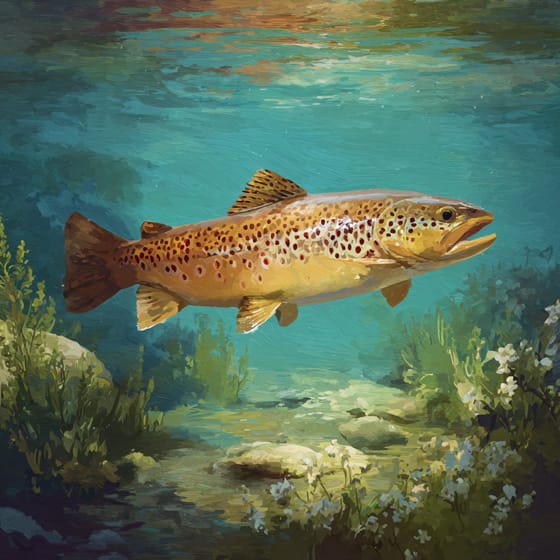
Salmo trutta
A primary food source for this freshwater fish.
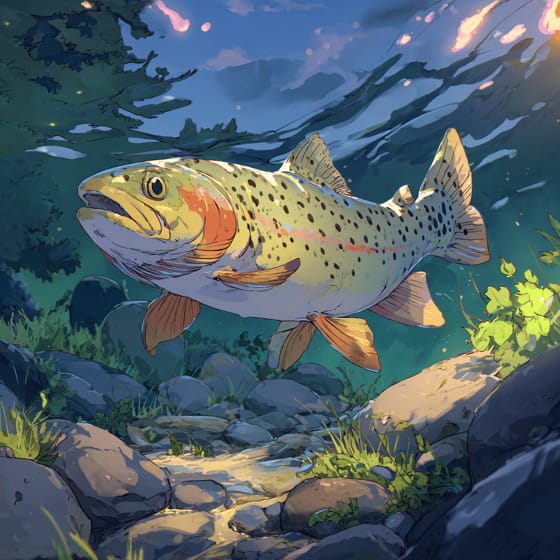
Oncorhynchus mykiss
Juvenile and adult trout actively prey on stonefly nymphs.

Cinclus cinclus
These aquatic birds forage for nymphs along stream beds.
Diatoma vulgare
Nymphs scrape and consume these microscopic algae from rocks.
Solitary animals live alone for most of their lives, only interacting with others for mating or parental care.
Colorful describes organisms or objects displaying a wide range of bright and distinct colors.
This trait identifies organisms whose diet consists entirely or primarily of animal tissue.
Diurnal animals are primarily active during daylight hours, typically resting or sleeping at night.

Aquatic habitats encompass environments where organisms live predominantly in water, including oceans, rivers, lakes, and wetlands.
Danger
0/5 · No known danger
No special safety notes yet.
The easiest way to identify Green Stoneflies is to use the Snappit nature identifier app.
7-40 mm
5-20 mm
10-30 days
Nymphs eat tiny plants and decaying matter, while adults often don't feed at all!
Freshwater streams and rivers with clean, cool water.
Foraging
6
Zoom in to split clusters and explore where this object has been snapped.
Recent snaps will appear here as new observations are added.
Take the discovery with you
Snap it with Snappit to identify it, learn what makes it special, and add the discovery to your collection.








.jpg&width=800)



