





White-throated Dipper
Cinclus cinclus
The White-throated Dipper is a special bird that loves to dive into water! It has a white throat and a round body, making it easy to spot near rivers and streams.
Habitat: Mountain streams and rivers
The White-throated Dipper is a plump, starling-sized bird with a short tail. It has a distinctive pure white bib on its chest and throat, contrasting sharply with its dark brown body and head, which often appear black. Its legs are reddish-brown.
Category
BirdsRarity
Common
Danger
1/5 · Very low
Snaps
Be the first to snap!
A dipper's call is loud and bubbling, heard even over rushing rivers!
Dippers can close their nostrils to keep water out while diving!
These birds build dome-shaped nests hidden behind waterfalls for safety!
They often bob up and down rapidly, giving them their 'dipper' name!
White-throated Dipper can walk and 'fly' underwater, using its strong legs and wings to hunt prey in rushing currents.
White-throated Dipper has dense, oily feathers that create an insulating air layer, helping them stay warm and dry in icy waters.
White-throated Dipper can see clearly underwater because of specialized eyes that filter glare, spotting prey in murky streams.
Dippers are underwater hunters, mostly eating insects and small fish found in rivers.
Age differences: Young birds start with softer insect larvae before moving to larger prey.
Lutra lutra
Otters may hunt dippers in river habitats.

Accipiter nisus
A swift aerial predator of small birds.
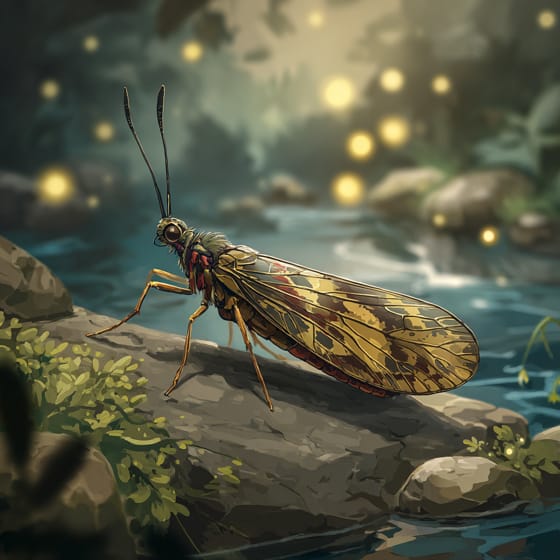
Hydropsyche siltalai
Dippers commonly eat their aquatic larvae.
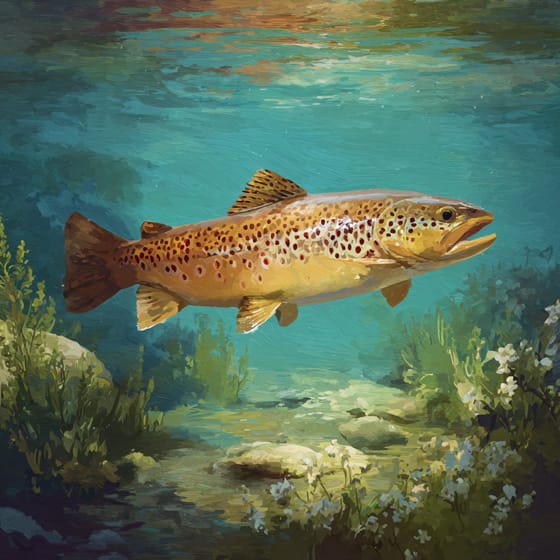
Salmo trutta
Dippers prey on their fry and eggs.
Feathered describes animals, primarily birds, possessing a covering of feathers.
Social animals live in organized groups, cooperating for survival benefits such as foraging, defense, and raising offspring.
Singing animals produce complex vocalizations, often for purposes of attracting mates, defending territory, or communicating within their species.
This trait identifies organisms whose diet primarily consists of insects and other small invertebrates.

This habitat trait identifies species found in mountainous regions, characterized by high elevation, steep slopes, and varying climate zones.

This trait identifies organisms whose diet consists entirely or primarily of animal tissue.

Diurnal animals are primarily active during daylight hours, typically resting or sleeping at night.

Freshwater habitats include non-saline aquatic environments such as rivers, lakes, ponds, and wetlands, vital for numerous species.

Aquatic habitats encompass environments where organisms live predominantly in water, including oceans, rivers, lakes, and wetlands.
No aliases listed yet.
Danger
1/5 · Very low
Always watch birds from a distance and don't try to touch them.
The easiest way to identify White-throated Dipper is to use the Snappit nature identifier app.
17-20 cm
25-30 cm
0.057-0.076 kg
7-10 years
60 km/h
Dippers are underwater hunters, mostly eating insects and small fish found in rivers.
Mountain streams and rivers
Zoom in to split clusters and explore where this object has been snapped.
Recent snaps will appear here as new observations are added.
Take the discovery with you
Snap it with Snappit to identify it, learn what makes it special, and add the discovery to your collection.




.jpg&width=800)








