.jpg&width=800)





Green Cloverworm Moth
Hypena scabra
The Green Cloverworm Moth is a small, green moth that loves to hide among plants. It has a soft, fuzzy body and is often found in gardens and fields, making it a fun little friend to discover!
Habitat: Grasslands
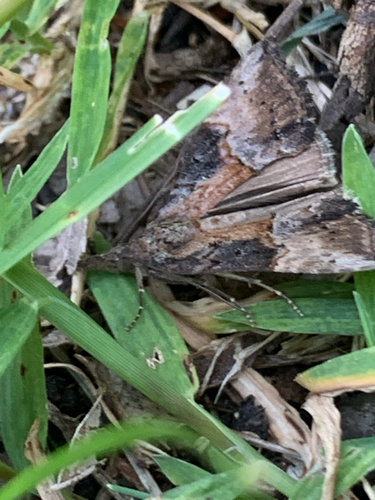
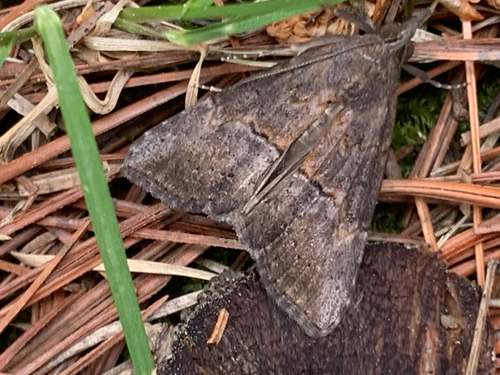
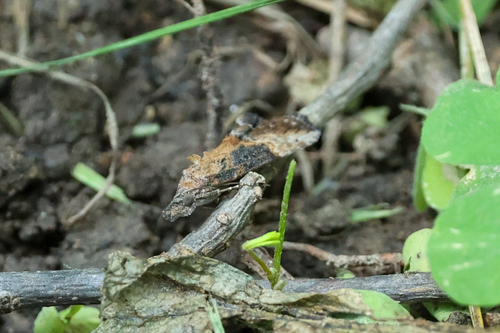
The Green Cloverworm Moth has a mottled gray-brown body with wavy lines and sometimes a pale streak across its forewings. Its drab coloring helps it blend perfectly with dried leaves and plant stems, making it hard to spot in its environment.
Category
InsectsRarity
Common
Danger
1/5 · Very low
Snaps
18
Adult Green Cloverworm Moths don't have teeth; they drink all their meals through a special straw!
If you see them wiggling in a zig-zag, they're probably trying to escape a hungry bird!
Its caterpillar form is a tiny munching machine, often found happily eating clover leaves!
These moths are amazing travelers, sometimes flying hundreds of miles like little feathered airplanes!
Green Cloverworm Moth can blend seamlessly with plants and dirt because of its drab, mottled wings that help them hide from predators.
Green Cloverworm Moth can travel hundreds of miles because of its strong wings that help them migrate to new food sources.
Green Cloverworm Moth has a straw-like proboscis that helps them drink sweet nectar from flowers and other plant liquids.
Green Cloverworm Moth has feathered antennae that help them smell distant flower nectar and find mates in the dark.
Adults sip nectar; caterpillars munch on clover and other legumes.
Age differences: Larvae (caterpillars) eat plant leaves; adults drink nectar and other plant fluids.

Trifolium repens
Caterpillars feed on the leaves of this common plant.

Glycine max
Caterpillars are a known agricultural pest on soybean crops.
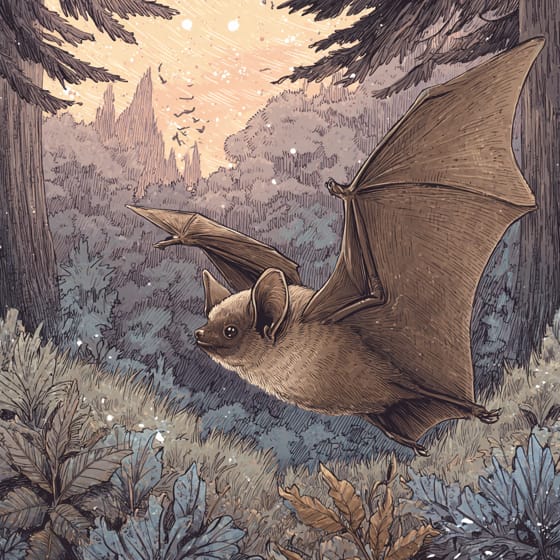
Myotis lucifugus
Nocturnal moths provide an important food source for bats.
Hyposoter exiguae
Wasp larvae develop inside the living caterpillar host.
Furry describes animals possessing a dense covering of soft hair or fur.
Solitary animals live alone for most of their lives, only interacting with others for mating or parental care.
Camouflaged describes organisms that possess coloring or patterns that allow them to blend into their environment.
Grassland habitats are terrestrial biomes dominated by grasses and herbaceous plants, supporting a variety of grazing animals.

This trait characterizes organisms whose diet consists entirely or primarily of plant material.

Nocturnal animals are primarily active during the nighttime hours, typically resting or sleeping during the day.

Describes organisms that transfer pollen, enabling the fertilization and reproduction of plants.
No aliases listed yet.
Danger
1/5 · Very low
Always look but don't touch insects, as some may be delicate or have special needs.
The easiest way to identify Green Cloverworm Moth is to use the Snappit nature identifier app.
25-35 mm
10-14 mm
10-20 days
Adults sip nectar; caterpillars munch on clover and other legumes.
Grasslands
Foraging
6
Zoom in to split clusters and explore where this object has been snapped.
Jun 6, 2026
J. Edward Roush LakePhoto attribution
no rights reserved
License: CC0 1.0 ↗
Image may be shown cropped inside the card frame.
Jun 6, 2026
J. Edward Roush LakePhoto attribution
no rights reserved
License: CC0 1.0 ↗
Image may be shown cropped inside the card frame.
Aug 3, 2025
Scales Mound Historic DistrictPhoto attribution
(c) Tom Field, some rights reserved (CC BY)
License: CC BY 4.0 ↗
Image may be shown cropped inside the card frame.

Alabama, US
You might spot Anole, Eastern Gray Squirrel, and Asian Lady Beetle.
View guide →

Pennsylvania, US
You might spot Spotted Lanternfly, Duck, and Asian Lady Beetle.
View guide →

Alabama, US
You might spot Anole, Eastern Gray Squirrel, and Asian Lady Beetle.
View guide →

Alabama, US
You might spot Anole, Eastern Gray Squirrel, and Asian Lady Beetle.
View guide →

Michigan, US
You might spot Bald Eagle, American White Pelican, and Painted Turtle.
View guide →
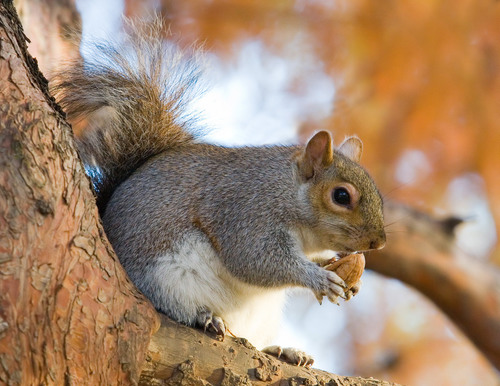
Virginia, US
You might spot Eastern Gray Squirrel and Spotted Lanternfly.
View guide →
Take the discovery with you
Snap it with Snappit to identify it, learn what makes it special, and add the discovery to your collection.






.jpg&width=800)




