





Bride's Bonnet
Clintonia uniflora
Bride's Bonnet is a lovely flower with white or greenish blooms that look like little bells. It grows in shady forests and is a special sight in the springtime!
Habitat: Forests
The Bride's Bonnet has a single, pure white, bell-shaped flower atop a slender stem. Its shiny, deep green leaves form a low cluster at the base. A striking, metallic blue berry often replaces the flower later in the season.
Category
PlantsRarity
Common
Danger
1/5 · Very low
Snaps
9
Finding one flower means a whole network of connected plants lives hidden underground.
Its bright blue berry looks just like a tiny, shiny marble!
Native Americans traditionally used parts of this plant for various remedies.
The plant's scientific name honors DeWitt Clinton, a famous New York governor.
Bride's Bonnet can grow in deep forest shade, using its broad leaves to capture scarce sunlight where other plants struggle.
Its vibrant blue berry stays on the plant for weeks, patiently waiting for birds to discover and disperse its seeds.
This plant spreads secretly with underground stems called rhizomes, forming new plants to create small colonies.
Bombus occidentalis
Visits flowers to collect nectar and pollen.
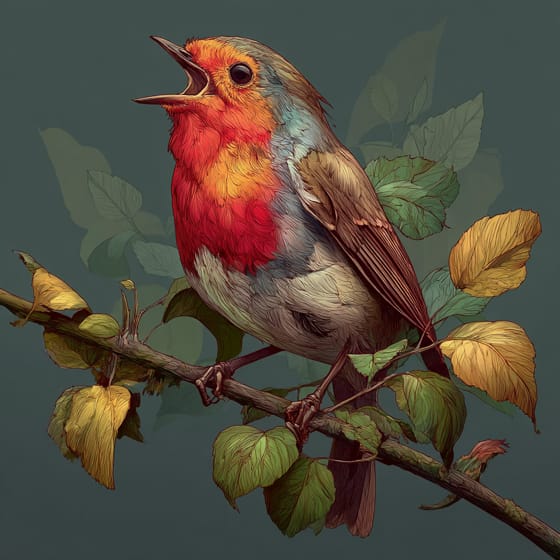
Turdus migratorius
Eats the bright blue berries, dispersing seeds.
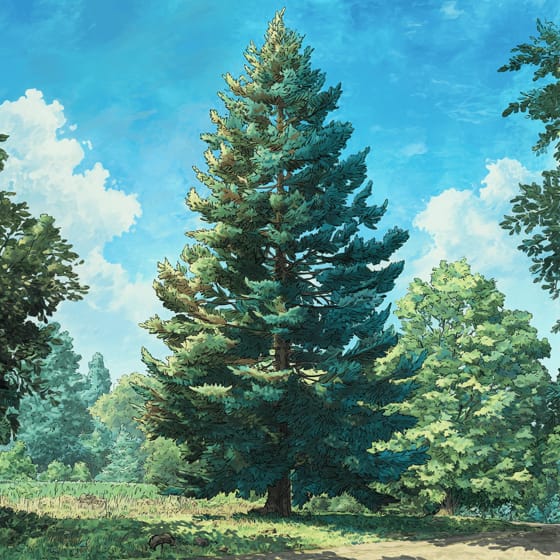
Pseudotsuga menziesii
Relies on its canopy for essential shade and moist soil.
Bell-shaped flowers possess petals fused or arranged to form a cup-like or campanulate structure resembling a bell.
Deciduous plants periodically shed all their leaves, typically during autumn or dry seasons.
Flowering plants are any plants that produce flowers as part of their reproductive cycle.
Shade tolerant plants are adapted to grow and thrive in areas with low light levels, requiring less direct sunlight.

Spring blooming plants produce their flowers during the spring season, often signifying the end of winter and the start of new growth.

Fragrant flowers emit a pleasant aroma, often to attract pollinators or for defense.

Describes plants that are particularly attractive and beneficial to a wide range of pollinating organisms.

Forest habitats are terrestrial environments dominated by dense tree cover, supporting a high diversity of plant and animal life.
Danger
1/5 · Very low
Always look but don't touch flowers without asking an adult first.
The easiest way to identify Bride's Bonnet is to use the Snappit nature identifier app.
10-25 cm
10-20 cm
2-3 cm
Late spring to early summer
No
Mild
Perennial
Zoom in to split clusters and explore where this object has been snapped.

Montana, US
You might spot Great Blanketflower and Seven-Spotted Lady Beetle.
View guide →

Washington, US
You might spot Whitebark Pine, Subalpine Larch, and White Pasqueflower.
View guide →

Montana, US
You might spot Sticky Geranium, White-Tailed Deer, and Common Toadflax.
View guide →
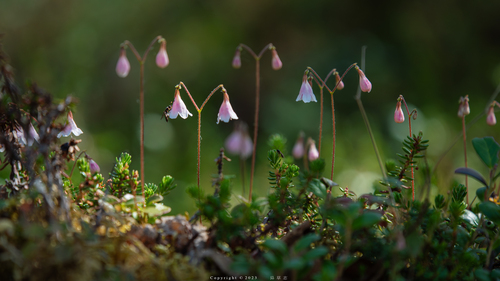
British Columbia, CA
You might spot Twinflower and Western Rattlesnake Plantain.
View guide →

British Columbia, CA
You might spot Green Comma, Mourning Cloak, and Hoary Comma.
View guide →

Montana, US
You might spot Thimbleberry, White-Tailed Deer, and Spreading Dogbane.
View guide →
Take the discovery with you
Snap it with Snappit to identify it, learn what makes it special, and add the discovery to your collection.






.jpg&width=800)


_001.jpg&width=800)



