





Greenhouse Frog
Eleutherodactylus planirostris
The Greenhouse Frog is a tiny, cute frog that loves to live in warm places like greenhouses. They are great at hiding and can jump really far when they want to escape!
Habitat: Urban areas
The Greenhouse Frog is a tiny, drab brown or tan frog, often mottled with darker spots or stripes, allowing it to blend seamlessly into leaf litter. It has a somewhat pointed snout and prominent eyes, lacking the distinct eardrum visible in many other frog species.
Category
AmphibiansRarity
Common
Danger
1/5 · Very low
Snaps
11
Male Greenhouse Frogs make a high-pitched 'cree-cree' call from hidden spots.
These frogs lay their small clutches of eggs on land, often under logs or leaves.
They are native to the Caribbean, not greenhouses, but spread by humans.
Tiny froglets hatch directly from eggs, completely skipping the tadpole stage!
Greenhouse Frogs can skip the tadpole stage, with eggs hatching directly into tiny froglets. This helps them reproduce even far from standing water.
The Greenhouse Frog has varied brown and tan patterns that allow it to blend seamlessly into leaf litter and soil. This helps them avoid predators.
Greenhouse Frogs can thrive in human-altered environments like gardens and greenhouses. This helps them spread to new locations easily.
This tiny frog munches on small bugs and other creepy crawlies found in its habitat.
Thamnophis sirtalis
Snakes are common predators of small frogs.
Anolis carolinensis
Larger lizards may prey on froglets and small frogs.
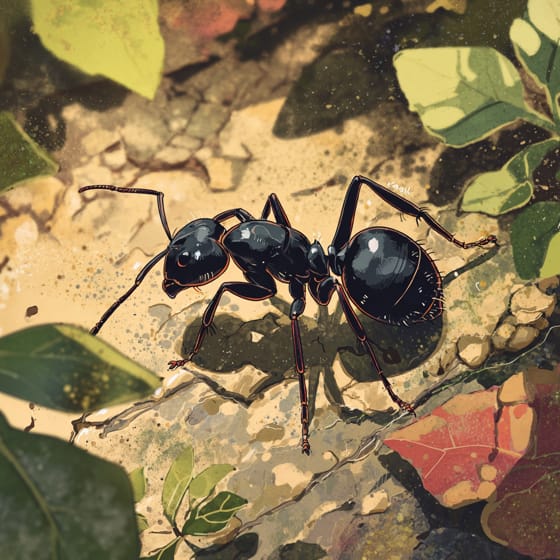
Formica fusca
Ants are a primary food source for this tiny frog.
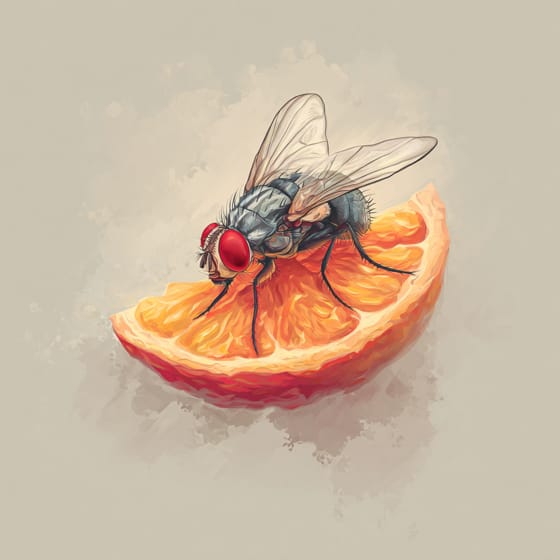
Drosophila melanogaster
Tiny flying insects are often caught by the frog.
Solitary animals live alone for most of their lives, only interacting with others for mating or parental care.
Singing animals produce complex vocalizations, often for purposes of attracting mates, defending territory, or communicating within their species.
Camouflaged describes organisms that possess coloring or patterns that allow them to blend into their environment.
This trait identifies organisms whose diet primarily consists of insects and other small invertebrates.

Pertaining to species that are significantly smaller than typical or average for their kind.

This habitat trait indicates species that can coexist with humans in urban and suburban environments, utilizing man-made structures and green spaces.

Nocturnal animals are primarily active during the nighttime hours, typically resting or sleeping during the day.

Describes organisms that transfer pollen, enabling the fertilization and reproduction of plants.

Endangered status indicates a species is at a very high risk of extinction in the wild in the near future.
No aliases listed yet.
Danger
1/5 · Very low
Always watch where you step, as frogs can be very small and hard to see.
The easiest way to identify Greenhouse Frog is to use the Snappit nature identifier app.
1.7-3.1 cm
0.001-0.003 kg
3-5 years
This tiny frog munches on small bugs and other creepy crawlies found in its habitat.
Urban areas
Foraging
3-26
Zoom in to split clusters and explore where this object has been snapped.

Louisiana, US
You might spot Brown Anole, White Ibis, and Duck.
View guide →

South Carolina, US
You might spot Brown Pelican, Boat-Tailed Grackle, and Great Egret.
View guide →

Indiana, US
You might spot Eastern Fox Squirrel, Duck, and Canada Goose.
View guide →

US
You might spot Brown Pelican, Boat-Tailed Grackle, and Great Egret.
View guide →

Florida, US
You might spot Brown Pelican, Black Spiny-Tailed Iguana, and Sea Grape.
View guide →

North Dakota, US
You might spot African Lion, Tiger, and Reticulated Giraffe.
View guide →
Take the discovery with you
Snap it with Snappit to identify it, learn what makes it special, and add the discovery to your collection.








.JPG&width=800)


.jpg&width=800)

