





Grus canadensis pratensis
Grus canadensis pratensis
The Whooping Crane is a tall, elegant bird known for its beautiful white feathers and long legs. They are famous for their loud, trumpeting calls and are a symbol of conservation efforts.
Habitat: Wetlands
The Grus canadensis pratensis is a tall, elegant gray bird with long dark legs and a slender neck. Its most striking feature is a distinctive red cap on its head, contrasting with a white patch on its cheek. Its plumage is otherwise mostly plain gray.
Category
BirdsRarity
Common
Danger
1/5 · Very low
Snaps
Be the first to snap!
Florida Sandhill Cranes mate for life and are devoted parents to their chicks.
Sometimes, they "paint" their feathers with mud, giving them a rusty color.
Their young are called "colts" and can leave the nest just hours after hatching.
They can live longer than many pets, reaching over 20 years old!
Grus canadensis pratensis has incredibly long legs that help them wade through shallow waters to find food and stay safe from predators.
Grus canadensis pratensis performs elaborate dances with jumps and bows to find a mate and strengthen their pair bond.
This omnivore eats a variety of plants, insects, and small animals found in wetlands and fields.
Age differences: Young cranes (colts) eat more protein-rich insects to grow quickly.
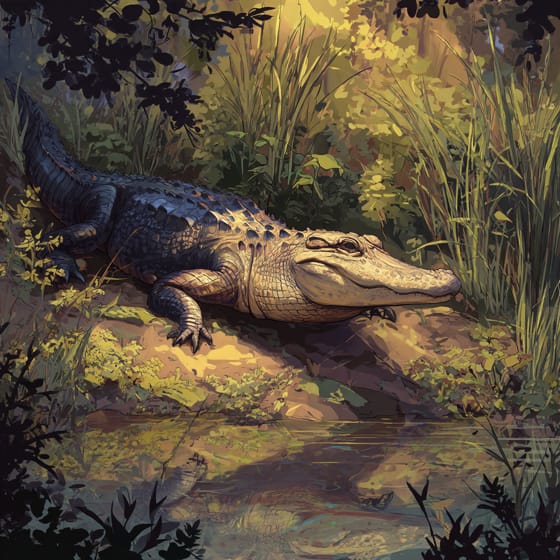
Alligator mississippiensis
Eggs and chicks are prey for this reptile.
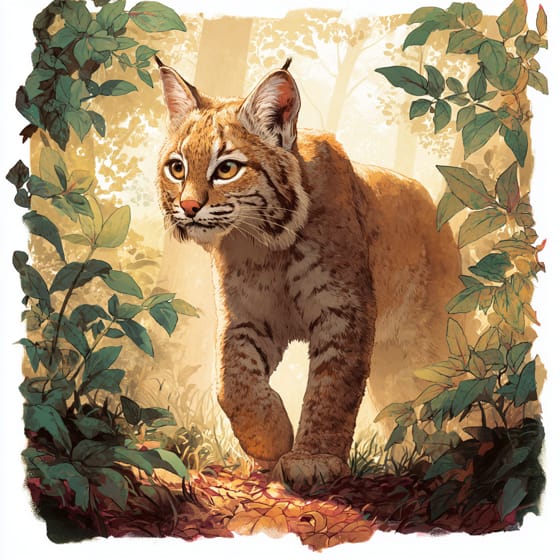
Lynx rufus
Adults and chicks can be prey for bobcats.

Procyon lotor
Eats crane eggs and sometimes young chicks.
%2C_Vorderansich.jpg&width=800)
Lithobates sphenocephalus
Cranes hunt and eat various frogs.
%2C_mating.jpg&width=800)
Romalea microptera
Cranes eat many types of insects.
Feathered describes animals, primarily birds, possessing a covering of feathers.
Social animals live in organized groups, cooperating for survival benefits such as foraging, defense, and raising offspring.
Singing animals produce complex vocalizations, often for purposes of attracting mates, defending territory, or communicating within their species.
This trait characterizes organisms whose diet consists entirely or primarily of plant material.

This habitat trait identifies species found in wetlands, which are areas of land saturated with water, either permanently or seasonally, including marshes, swamps, and bogs.

Describes a species whose presence and role have a disproportionately large effect on its environment.

Migratory animals undertake seasonal movements from one region to another, typically in response to changes in climate or food availability.

Endangered status indicates a species is at a very high risk of extinction in the wild in the near future.
Danger
1/5 · Very low
Always watch birds from a distance and do not disturb their nests.
The easiest way to identify Grus canadensis pratensis is to use the Snappit nature identifier app.
100-120 cm
170-200 cm
3-6.5 kg
20-25 years
65 km/h
This omnivore eats a variety of plants, insects, and small animals found in wetlands and fields.
Wetlands
Zoom in to split clusters and explore where this object has been snapped.
Recent snaps will appear here as new observations are added.
Take the discovery with you
Snap it with Snappit to identify it, learn what makes it special, and add the discovery to your collection.




.jpg&width=800)








