





Guam Kingfisher
Todiramphus cinnamominus
The Guam Kingfisher is a beautiful bird with bright blue and orange feathers. It is known for its loud call and loves to catch insects and small animals to eat.
Habitat: Forests
The Guam Kingfisher has striking cinnamon-orange underparts and a metallic blue-green back and wings. A bright white collar wraps around its neck, contrasting with its dark head and stout, dagger-like bill. Its vibrant plumage makes it stand out distinctly.
Category
BirdsRarity
Epic
Danger
1/5 · Very low
Snaps
Be the first to snap!
Each Guam Kingfisher has a unique leg band for easy identification.
It is extinct in the wild, living only in special zoos around the world!
Scientists hope to return these amazing birds to their wild home someday.
This bird is a champion insect hunter, even catching spiders and crabs!
Guam Kingfisher has incredibly sharp eyesight that helps them spot tiny insects and lizards from high up in the trees.
Guam Kingfisher can quickly dive and snatch prey with its powerful, pointed beak, making it a super-fast hunter.
Guam Kingfisher has a strong instinct to care for its young, often using tree cavities for safe nesting sites.
This kingfisher is a fierce hunter, mainly eating insects, spiders, and small lizards!
Boiga irregularis
This invasive snake was the primary cause of its extinction in the wild.
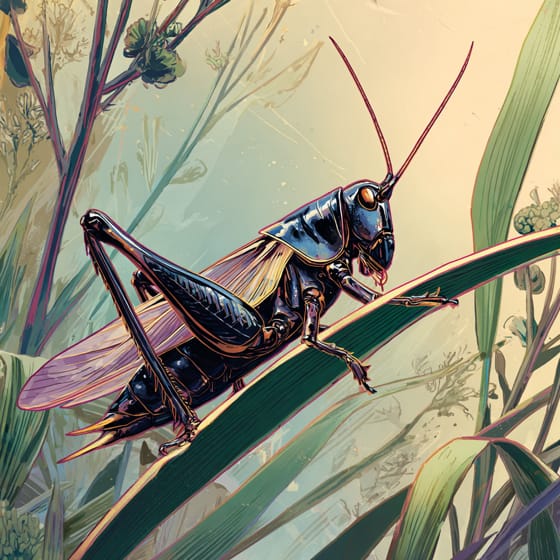
Gryllus bimaculatus
A common insect prey that kingfishers actively hunt.
Emoia atrocostata
One of the small lizards it would have preyed upon in Guam.
Feathered describes animals, primarily birds, possessing a covering of feathers.
Solitary animals live alone for most of their lives, only interacting with others for mating or parental care.
Colorful describes organisms or objects displaying a wide range of bright and distinct colors.
This trait identifies organisms whose diet primarily consists of insects and other small invertebrates.

Forest habitats are terrestrial environments dominated by dense tree cover, supporting a high diversity of plant and animal life.

Diurnal animals are primarily active during daylight hours, typically resting or sleeping at night.

Threatened status denotes a species likely to become endangered in the foreseeable future without effective conservation interventions.

Endangered status indicates a species is at a very high risk of extinction in the wild in the near future.
No aliases listed yet.
Danger
1/5 · Very low
Always watch birds from a distance and do not try to touch them.
The easiest way to identify Guam Kingfisher is to use the Snappit nature identifier app.
20-24 cm
30-35 cm
0.04-0.06 kg
8-10 years
30 km/h
This kingfisher is a fierce hunter, mainly eating insects, spiders, and small lizards!
Forests
Zoom in to split clusters and explore where this object has been snapped.
Recent snaps will appear here as new observations are added.
Take the discovery with you
Snap it with Snappit to identify it, learn what makes it special, and add the discovery to your collection.





.jpg&width=800)








