




Hyacinth Macaw

The National Aviary in Pittsburgh is America's only independent indoor nonprofit aviary.
The National Aviary in Pittsburgh is America's only independent indoor nonprofit aviary. It stands as the largest indoor aviary in the United States, granted honorary "National" status by the U.S. Congress, making it a unique destination dedicated to birds. Home to over 500 birds and other animals representing more than 150 species from around the globe, many of its residents are threatened or endangered in the wild, highlighting its vital role in conservation. Visitors are transported into immersive, free-flight habitats where they can witness birds soaring freely overhead and interact with diverse ecosystems.
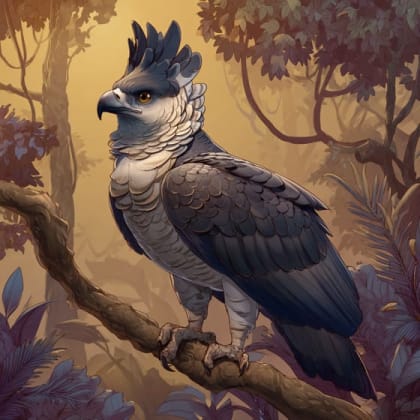
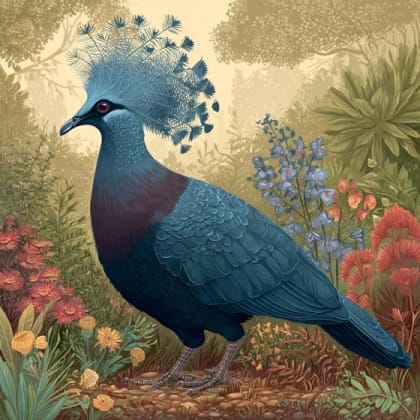
Explore lush, naturalistic environments like the Tropical Rainforest, where vibrant Hyacinth Macaws, Sapphira and Jewel, glide through the canopy, and majestic Victoria Crowned Pigeons wander at your feet. In the Wetlands, admire a flock of American Flamingos and various water birds in a recently renovated, expansive free-flight space. Penguin Point offers an intimate, 360-degree view of African Penguins, including opportunities for underwater viewing and even hand-feeding encounters. Don't miss the Harpy Eagle, Dariéna, the only known individual of her species in the Northeast United States, and the imposing Steller's Sea Eagles, Kodiak and Aurora, within the Charity Randall Foundation Eagle Hall. The Grasslands habitat provides a peaceful setting for small songbirds like red siskins and owl finches.
A visit to the National Aviary offers more than just observation; it's an intimate connection with nature and a deeper understanding of avian conservation. Daily interactive experiences, engaging bird shows in the Helen M. Schmidt FliteZone Theater, and various animal encounters allow for close-up interactions with fascinating species. The commitment to breeding programs for endangered species like the Guam Rail and Guam Kingfisher underscores the Aviary's mission to inspire respect for nature through an appreciation of birds, making every visit both memorable and impactful. Unlock an interactive field guide for this spot: get the Snappit app to identify nature on the go.
The National Aviary began its journey in 1952 as the Pittsburgh Aviary-Conservatory, built by the city on the site of a former conservatory. The original conservatory itself was built after the demolition of the Western State Penitentiary in the late 1800s. After an expansion in 1967, the Aviary grew to 25,000 square feet, but by 1991, facing the city's dwindling tax base, public funding ceased. A dedicated non-profit organization stepped in to save the institution in 1992, ensuring its continued operation and focus on conservation. Their efforts were recognized in 1993 when the U.S. Congress designated it an honorary "National" status, officially renaming it the National Aviary. Since then, the facility has undergone significant modernization and expansion, now spanning 40,000 square feet, solidifying its status as the largest indoor aviary in the United States.
Engage with daily interactive experiences, attend the African Penguin feedings, and watch the dynamic bird shows in the FliteZone Theater, or outdoor SkyDeck (weather permitting). Consider booking an additional Animal Encounter to hand-feed American Flamingos, meet a Linnaeus's Two-toed Sloth, or get up close with a penguin or falcon. Look for the "Can You Find These Tropical Species?" infographic on your map to spot specific birds in the free-flight areas.
The National Aviary offers seasonal daily activities and themed events. For instance, summer might feature a "Remarkable Raptors" theme with special shows and encounters running through Labor Day. Check their calendar for unique offerings like "Night in the Tropics."
The entire facility is ADA accessible, one level, and stroller-friendly. For children with sensory sensitivities, Kulture City Sensory Bags, equipped with noise-cancelling headphones and fidgets, are available at the Visitor Services Desk. Water bottle refill stations are also provided.
Don't miss the immersive free-flight experiences in the Tropical Rainforest and Wetlands habitats. Penguin Point, with its African Penguin colony, offers engaging viewing and interactive encounters. The Charity Randall Foundation Eagle Hall features impressive raptors like the Harpy Eagle and Steller's Sea Eagles.
Each card links to a full Explore page with photos, traits, and fun facts.
Start with the big picture, then zoom in to explore individual wildlife observations around this place.
Plan Your Day
Check the National Aviary's daily activity schedule and Animal Encounters online before your visit to maximize your experience.
Visit on a Weekday
For a less crowded experience, consider visiting during the week or later in the afternoon.
Experience a Feeding
Don't miss the free Rainbow Lorikeet feeding or consider a paid African Penguin feeding for a memorable, up-close interaction.
Utilize Sensory Bags
If visiting with children who have sensory sensitivities, pick up a Kulture City Sensory Bag at the Visitor Services Desk, which includes noise-cancelling headphones.
Engage with Staff
Aviary staff are knowledgeable and eager to answer questions about the birds and their habitats. Don't hesitate to ask!
Bring a Pen
For younger visitors, bringing a pen or marker can enhance their experience by allowing them to mark off species found on the "Can You Find These Tropical Species?" infographic on the map.

Michigan, US
You might spot African Lion, Komodo Dragon, and Brown Bear.
View guide →
.jpg)
Municipal District of Cobh, IE
You might spot Ring-Tailed Lemur, Giraffes, and Cheetahs.
View guide →

Nouvelle-Aquitaine, FR
You might spot Greater Flamingo, Giraffes, and Red Panda.
View guide →

Texas, US
You might spot Giraffes, African Lion, and Eastern Black Rhinoceros.
View guide →
Take the discovery with you
Identify the wildlife you spot, learn as you go, and keep a collection of the adventure.





























.jpg&width=800)
