.jpg&width=800)





Hairy Crabgrass
Digitaria sanguinalis
Hairy Crabgrass is a green plant that grows close to the ground. It has soft, hairy leaves and can spread quickly in gardens and lawns.
Habitat: Urban areas
The Hairy Crabgrass has broad, dull green leaves covered in tiny, soft hairs, especially near the base, giving it a fuzzy feel. Its stems often root at the nodes and grow low to the ground, with distinctive finger-like seed heads branching out from a central point, typically purplish-green.
Category
PlantsRarity
Common
Danger
1/5 · Very low
Snaps
Be the first to snap!
A single Hairy Crabgrass plant can produce over 150,000 seeds in one season!
Before it was a common weed, its seeds were ground into flour by ancient peoples!
Its seeds can stay dormant in the soil for years, waiting for the perfect moment to sprout!
This grass is so tough, it can grow through cracks in concrete sidewalks!
Hairy Crabgrass can root along its stems where they touch the ground, creating new plants and spreading quickly.
Hairy Crabgrass produces thousands of tiny seeds per plant, ensuring new growth even if the parent plant is removed.
Hairy Crabgrass has a strong, fibrous root system that helps it find water and survive dry spells when other plants wilt.
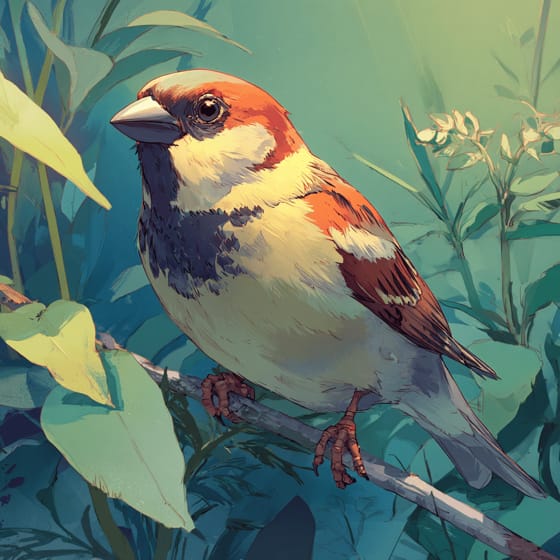
Passer domesticus
eats the plant's abundant seeds
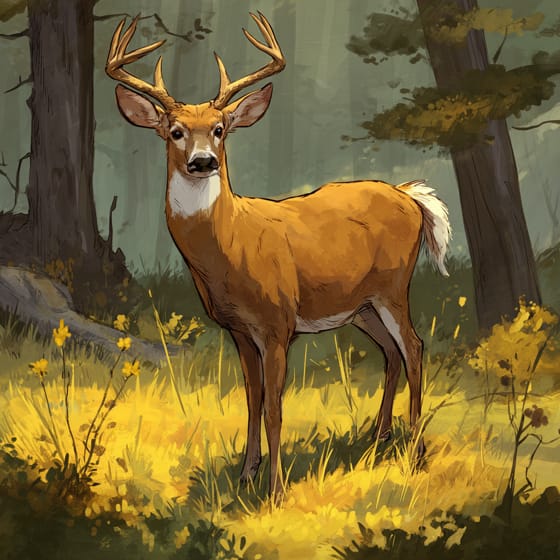
Odocoileus virginianus
grazes on its leafy foliage
Anas platyrhynchos
forages for its small seeds
Grass-like plants are herbaceous plants that visually resemble true grasses, typically having long, narrow leaves.
Drought-tolerant plants can survive and flourish in conditions with limited water availability.
Edible plants are those parts of a plant that are considered safe for human consumption.
Rapid growing plants exhibit accelerated growth rates, quickly increasing in size and biomass within a short period.

Describes organisms that break down dead organic material, recycling nutrients back into the ecosystem.

This habitat trait indicates species that can coexist with humans in urban and suburban environments, utilizing man-made structures and green spaces.

Invasive species are non-native organisms that cause harm to the environment, economy, or human health.
No aliases listed yet.
Danger
1/5 · Very low
Always check with an adult before touching or picking plants.
The easiest way to identify Hairy Crabgrass is to use the Snappit nature identifier app.
10-60 cm
30-100 cm
Summer
Yes
None
Annual
Wind
Zoom in to split clusters and explore where this object has been snapped.
Recent snaps will appear here as new observations are added.
Take the discovery with you
Snap it with Snappit to identify it, learn what makes it special, and add the discovery to your collection.









.jpg&width=800)


_001.jpg&width=800)



