


Hairy Ruellia
ruellia humilis
Hairy Ruellia (Ruellia humilis) is a resilient, low-growing perennial plant known for bringing delicate splashes of pale blue or lavender to dry, sun-baked landscapes. Despite its striking resemblance to common garden petunias, this wildflower actually belongs to the acanthus family. Thriving in the central and eastern United States, it is a quintessential species of dry prairies, open woodlands, and rocky limestone glades. Its stems and leaves are covered in dense, fine white hairs, a clever adaptation that helps it conserve moisture and withstand intense heat. What makes Hairy Ruellia particularly interesting is its fleeting beauty and explosive reproductive strategy. Its trumpet-shaped blossoms typically open in the morning and detach by the afternoon, lasting only a single day. When it is time to disperse its offspring, its seed capsules act like tiny catapults, bursting open with an audible pop to fling seeds away from the parent plant, ensuring a new generation of these tough, beautiful wildflowers.
Habitat: Found in dry prairies, open woodlands, rocky glades, and sandy soils, often thriving in full sun and limestone-rich environments.
Hairy Ruellia is a low-growing, herbaceous perennial that typically reaches 10 to 60 centimeters in height. Its most distinguishing feature is the dense coat of fine, white hairs covering both its stems and its light green, oppositely arranged, oval-to-lanceolate leaves. The plant produces showy, trumpet-shaped flowers that are about 3 to 5 centimeters across, usually displaying a lovely pale lilac, lavender, or light blue hue, marked with faint purple lines guiding into the throat. These five-lobed, funnel-like blossoms emerge from the leaf axils and are remarkably delicate, often dropping from the plant after just a few hours.
Category
PlantsRarity
Common
Danger
1/5 · Very low
Snaps
4
Despite its common name 'Wild Petunia,' it is not closely related to true garden petunias, which belong to the nightshade family.
The beautiful, trumpet-shaped flowers of the Hairy Ruellia are incredibly ephemeral, usually opening at dawn and dropping off the plant before dusk.
When its mature seed pods get wet from a light rain, they can burst open audibly, acting like tiny botanical firecrackers.
As the plant's seed capsules dry out, they build up mechanical tension until they suddenly burst open, flinging seeds up to several feet away from the parent plant.
The dense, fuzzy hairs covering its leaves and stems create a microclimate that reduces water loss and reflects intense sunlight, allowing it to survive in arid, harsh conditions.
Late in the growing season, it can produce closed, self-pollinating flowers that never open, ensuring seed production even if pollinators are scarce.
Like most plants, Hairy Ruellia creates its own energy through photosynthesis using sunlight, water, and carbon dioxide.
Age differences: Seedlings initially rely on energy stored in the seed's endosperm before their true leaves develop and photosynthesis begins.
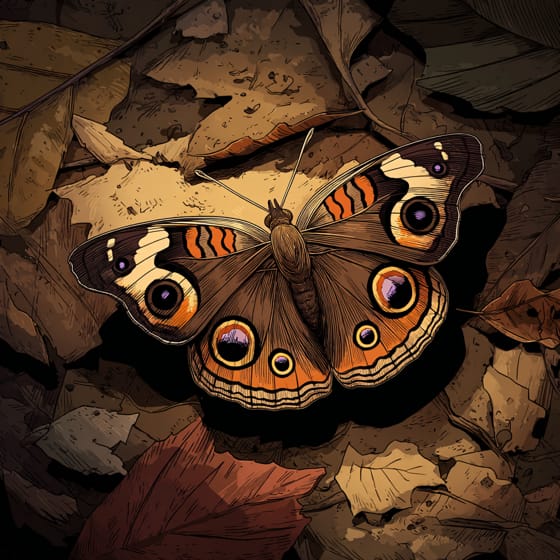
Junonia coenia
Caterpillars feed on the foliage of this plant.

Xylocopa virginica
Long-tongued bees frequently visit the flowers to collect nectar and pollen.
Hemaris thysbe
Hawkmoths are attracted to the tubular flowers for nectar foraging.
No trait badges are assigned for this object yet.
No aliases listed yet.
Collections for this object will appear here as more themes are added.
Danger
1/5 · Very low
No special safety notes yet.
The easiest way to identify Hairy Ruellia is to use the Snappit nature identifier app.
10-60 cm
3-10 years
Like most plants, Hairy Ruellia creates its own energy through photosynthesis using sunlight, water, and carbon dioxide.
Found in dry prairies, open woodlands, rocky glades, and sandy soils, often thriving in full sun and limestone-rich environments.
Photosynthesis
Zoom in to split clusters and explore where this object has been snapped.

Arkansas, US
You might spot Widow's-Cross, Yucca Giant-Skipper, and Outis Skipper.
View guide →

Oklahoma, US
You might spot Lace Hedgehog Cactus and Star Cloak Fern.
View guide →

Missouri, US
You might spot Painted-Cup Paintbrush and Great Spangled Fritillary.
View guide →
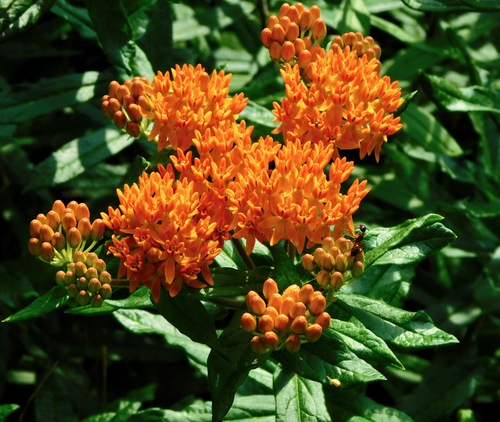
Mississippi, US
You might spot Butterfly Milkweed, Rattlesnake Master, and Yellow Puff.
View guide →
Take the discovery with you
Snap it with Snappit to identify it, learn what makes it special, and add the discovery to your collection.











.jpg&width=800)



_001.jpg&width=800)




