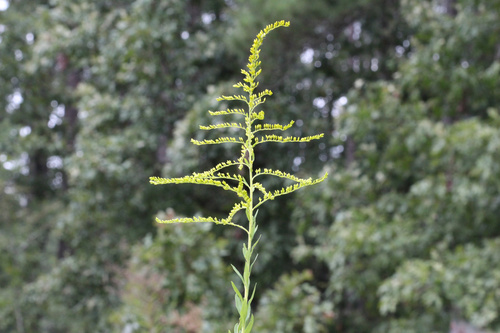
Rudbeckia
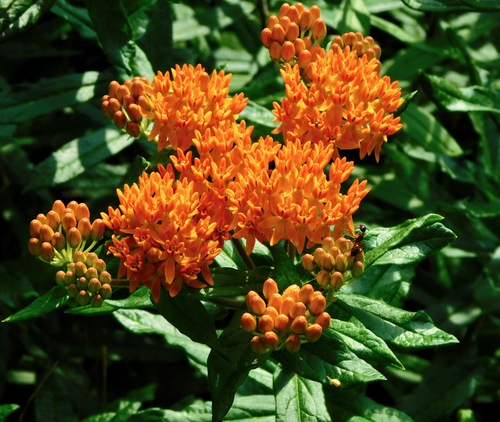
Harrell Prairie Botanical Area is a remarkable 160-acre tallgrass prairie nestled within the Bienville National Forest in Mississippi.
Harrell Prairie Botanical Area is a remarkable 160-acre tallgrass prairie nestled within the Bienville National Forest in Mississippi. This preserve stands as one of the last and most pristine examples of the Jackson Prairie Belt, a unique ecological system characterized by its distinctive alkaline soils, which support a flora unlike the surrounding pine woodlands. Visitors can step back in time to witness a landscape that once covered vast expanses of the region, meticulously preserved for its ecological significance.
The area is a vibrant tapestry of native grasses and wildflowers, particularly breathtaking in late spring when the prairie bursts into a riot of color. Expect to see iconic tallgrass species like Big Bluestem, Indiangrass, and Little Bluestem swaying gently in the breeze. Among these grasses, a dazzling array of wildflowers flourishes, including the bright Yellow Coneflower, the stately Eastern Purple Coneflower, striking Blazing Star, various Milkweed species (such as Green Milkweed and Green Comet Milkweed), and the fragrant Wild Bergamot, creating a paradise for botanists and photographers alike.
Visiting Harrell Prairie is an opportunity for quiet contemplation and appreciation of a rare natural gem. With no developed trails or facilities, it encourages a deep connection with nature and a "leave no trace" ethos, ensuring its delicate ecosystem remains undisturbed. It's a truly memorable experience for anyone seeking to understand and appreciate the ancient beauty of Mississippi's tallgrass prairies and their enduring botanical diversity. Explore the grounds like a pro—download the Snappit app to instantly identify animals and plants.
Harrell Prairie Botanical Area holds significant historical and ecological importance. It was officially declared a National Natural Landmark in May 1976, recognizing its status as one of the most representative remnants of the Jackson Prairie, a disjunct of the Black Belt region that stretches across parts of Mississippi and Alabama. Following this recognition, the Forest Service further designated it as a Botanical Area in 1980. The prairie's survival can be attributed to its unique soil composition, which made it less suitable for early agricultural development. It is one of 68 smaller prairies within the Bienville National Forest, often locally referred to as "cedar fields," many of which avoided farming due to their purchase by lumber companies. Since the mid-1980s, Harrell Prairie has been the focus of dedicated restoration efforts, making it the most advanced relict of its type in Mississippi in terms of restoration work.
Observe and photograph the wide variety of native prairie grasses, such as Big Bluestem, Indiangrass, and Little Bluestem.
* Discover the numerous colorful wildflowers, including Eastern Purple Coneflower, Blazing Star, and Wild Bergamot.
* Engage in quiet nature observation, enjoying the sounds and sights of this unique habitat.
* Practice "leave no trace" principles to protect the delicate environment.
While late spring offers the most vibrant floral displays, the prairie offers unique beauty throughout the growing season, with different plants blooming from spring through autumn.
Harrell Prairie is an undeveloped nature preserve with no special trails or visitor buildings. Parking is available along the side of FS 515, where a sign marks the area's beginning. Visitors should be prepared for uneven terrain typical of a natural prairie environment.
The primary highlight is the unspoiled tallgrass prairie ecosystem itself, showcasing a rich diversity of native grasses and wildflowers.
Each card links to a full Explore page with photos, traits, and fun facts.
Start with the big picture, then zoom in to explore individual wildlife observations around this place.
Wear appropriate footwear
Since there are no formal trails, sturdy closed-toe shoes are recommended for walking through the natural prairie grasses and uneven ground.
Bring water and sun protection
The prairie offers little shade, so carry plenty of water, a hat, and sunscreen, especially during warmer months.
Practice "Leave No Trace"
Help preserve this rare ecosystem by packing out everything you bring in and staying on existing paths (even if informal) to avoid disturbing delicate plant life.
Visit in late spring
To witness the prairie at its most vibrant, plan your trip for late spring when the wildflowers are in peak bloom.
Bring binoculars
While primarily a botanical area, binoculars can enhance your experience by allowing you to spot prairie birds or insects.
Be mindful of parking
Parking is roadside along FS 515; ensure your vehicle is safely off the main thoroughfare.
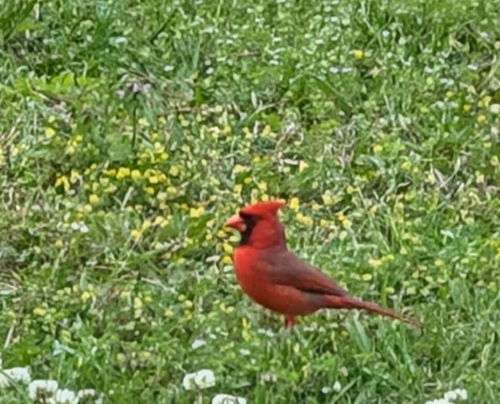
Mar 30, 2025
Photo attribution
(c) Gianluca Congi🪶🦆🌲, some rights reserved (CC BY-SA)
License: CC BY-SA 4.0 ↗
Image may be shown cropped inside the card frame.
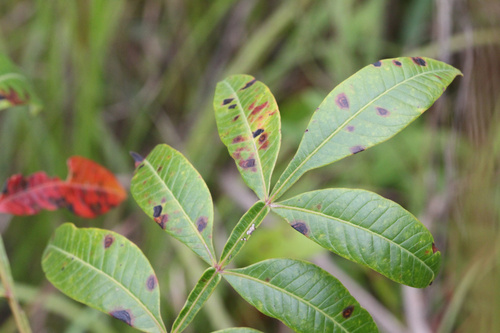
Sep 5, 2024
Photo attribution
(c) Samuel A Schmid, PhD, PWS, some rights reserved (CC BY)
License: CC BY 4.0 ↗
Image may be shown cropped inside the card frame.
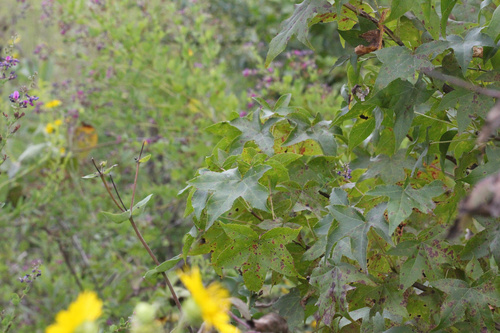
Sep 5, 2024
Photo attribution
(c) Samuel A Schmid, PhD, PWS, some rights reserved (CC BY)
License: CC BY 4.0 ↗
Image may be shown cropped inside the card frame.
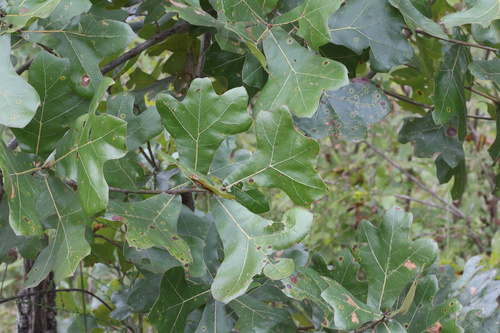
Sep 5, 2024
Photo attribution
(c) Samuel A Schmid, PhD, PWS, some rights reserved (CC BY)
License: CC BY 4.0 ↗
Image may be shown cropped inside the card frame.
Sep 5, 2024
Photo attribution
(c) Samuel A Schmid, PhD, PWS, some rights reserved (CC BY)
License: CC BY 4.0 ↗
Image may be shown cropped inside the card frame.

Maryland, US
You might spot White-Tailed Deer and Eastern Gray Squirrel.
View guide →
.jpg)
District of Columbia, US
You might spot Eastern Gray Squirrel, Duck, and House Sparrow.
View guide →

Illinois, US
You might spot American Robin, Canada Goose, and House Sparrow.
View guide →

Virginia, US
You might spot Spotted Lanternfly and Northern Cardinal.
View guide →
Take the discovery with you
Identify the wildlife you spot, learn as you go, and keep a collection of the adventure.