





Hairy Spurge
Euphorbia illirica
Hairy Spurge is a unique plant with fuzzy leaves and bright yellow flowers. It grows in sunny places and can be found in gardens and fields. Its special look makes it stand out among other plants!
Habitat: Urban areas
The Hairy Spurge has oval to oblong leaves with a distinctive grayish-green hue, heavily covered in soft, white hairs, making it look fuzzy. Its reddish stems bear tiny, greenish-yellow, cup-like cyathia that appear in clusters, unlike typical petals.
Category
PlantsRarity
Common
Danger
2/5 · Low
Snaps
Be the first to snap!
Despite its name, the 'flowers' are actually tiny cup-like structures, not true petals!
Hairy Spurge is a cousin to the colorful Poinsettia, both belong to the Euphorbia family!
Its milky sap can irritate skin and eyes, acting like a tiny chemical defense!
Some people plant certain spurges in gardens, thinking they might scare away moles!
Hairy Spurge can produce a milky sap that deters hungry herbivores and helps repair stem wounds.
Hairy Spurge has dense hairs on its leaves that reduce water loss and protect it from intense sun.
Hairy Spurge can forcefully eject its seeds, launching them away for wider dispersal.
Apis mellifera
Collects nectar and pollen from its tiny flowers.

Aphis nerii
Feeds on the plant's sap, potentially weakening it.
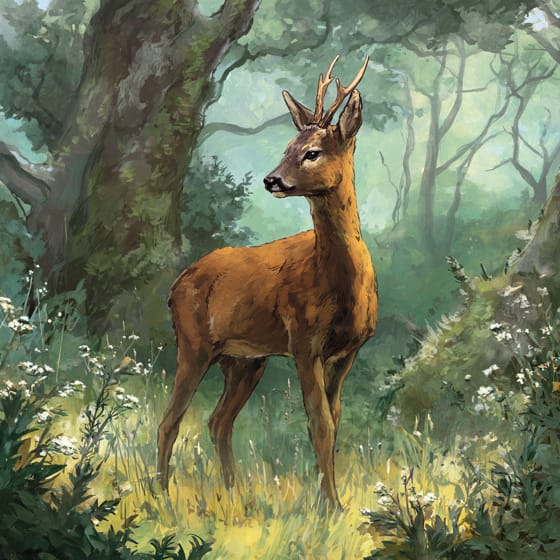
Capreolus capreolus
May browse on its leaves, despite the irritating milky sap.
Flowering plants are any plants that produce flowers as part of their reproductive cycle.
Ornamental plants are cultivated primarily for their aesthetic appeal, enhancing landscapes and gardens with their attractive foliage, flowers, or form.
Summer blooming plants produce their flowers during the summer season, often providing vibrant color when many other plants have finished.
Drought-tolerant plants can survive and flourish in conditions with limited water availability.

Colorful describes organisms or objects displaying a wide range of bright and distinct colors.

Describes plants that are particularly attractive and beneficial to a wide range of pollinating organisms.

This habitat trait indicates species that can coexist with humans in urban and suburban environments, utilizing man-made structures and green spaces.
No aliases listed yet.
Danger
2/5 · Low
Do not touch the sap of the plant, as it can irritate your skin.
The easiest way to identify Hairy Spurge is to use the Snappit nature identifier app.
10-50 cm
15-40 cm
0.2-0.5 cm
Late spring to late summer
No
Moderate
Perennial
Zoom in to split clusters and explore where this object has been snapped.
Recent snaps will appear here as new observations are added.
Take the discovery with you
Snap it with Snappit to identify it, learn what makes it special, and add the discovery to your collection.








.jpg&width=800)



_001.jpg&width=800)




