





Halloween Pennant
Celithemis eponina
The Halloween Pennant is a colorful dragonfly with bright orange and black wings. They love to flutter around ponds and sunny spots, showing off their beautiful colors.
Habitat: Wetlands
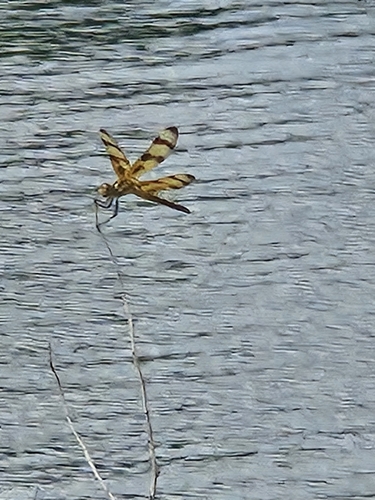
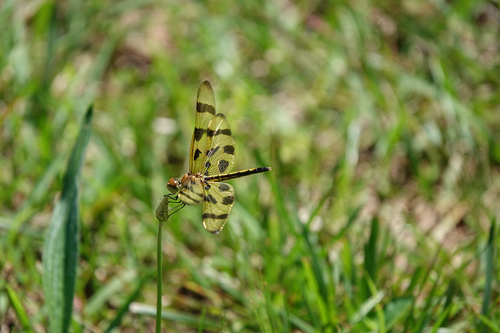
The Halloween Pennant has a reddish-brown body with clear wings strikingly marked by large, irregular patches of amber-orange and dark brown. These distinct wing patterns, especially the orange and dark brown blotches, make it easily recognizable among other dragonflies.
Category
InsectsRarity
Common
Danger
1/5 · Very low
Snaps
17
A Halloween Pennant's eyes have tens of thousands of tiny lenses!
Dragonflies can move each of their four wings independently for amazing stunts.
It can eat over a hundred mosquitoes in just one day!
Its larvae, called nymphs, live underwater for months, breathing through gills!
The Halloween Pennant has huge compound eyes covering most of its head that help it spot tiny insects from far away.
This dragonfly can fly incredibly fast, hover, and even dart backward to catch other flying insects in mid-air.
The Halloween Pennant has spiky legs that form a 'basket' to scoop up and hold prey while flying.
These speedy hunters snatch up smaller flying insects right out of the air!
Age differences: Larval nymphs hunt aquatic insects underwater; adults hunt flying insects in the air.
Aedes aegypti
Adult dragonflies prey on these flying insects.
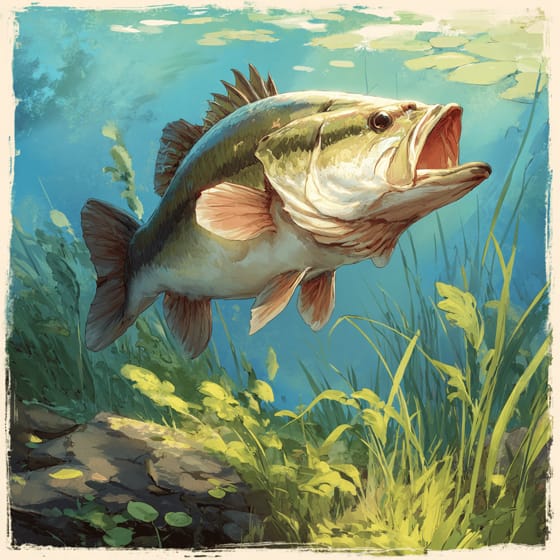
Micropterus salmoides
Fish often eat the aquatic dragonfly nymphs.
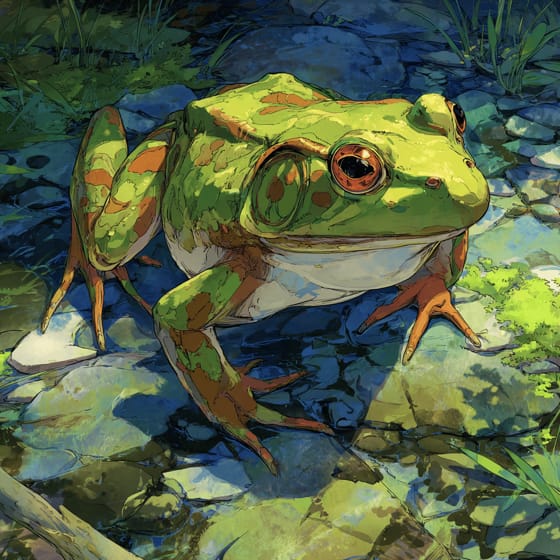
Lithobates catesbeianus
Frogs consume adult dragonflies when they land.
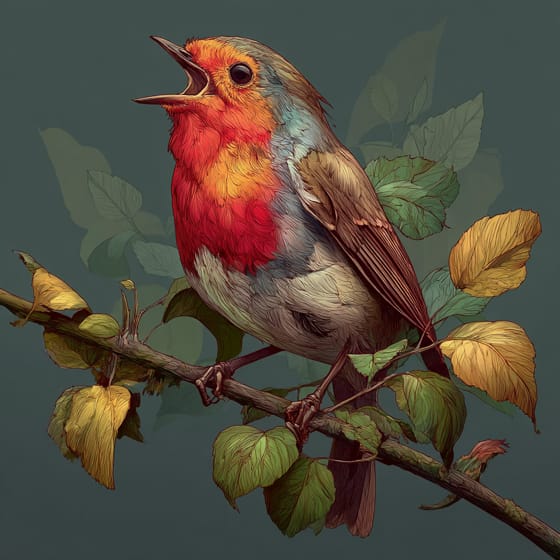
Turdus migratorius
Many bird species will catch and eat adult dragonflies.
Solitary animals live alone for most of their lives, only interacting with others for mating or parental care.
Aerial creatures spend a significant portion of their lives airborne, utilizing flight for various activities such as hunting, migration, or nesting.
Colorful describes organisms or objects displaying a wide range of bright and distinct colors.
This trait identifies organisms whose diet primarily consists of insects and other small invertebrates.

This habitat trait identifies species found in wetlands, which are areas of land saturated with water, either permanently or seasonally, including marshes, swamps, and bogs.

Diurnal animals are primarily active during daylight hours, typically resting or sleeping at night.

This trait identifies organisms that exhibit exceptional swiftness in movement for hunting, escape, or travel.

Aquatic habitats encompass environments where organisms live predominantly in water, including oceans, rivers, lakes, and wetlands.

Describes organisms that transfer pollen, enabling the fertilization and reproduction of plants.
Danger
1/5 · Very low
Dragonflies are friendly and won't hurt you, but it's best to watch them from a distance.
The easiest way to identify Halloween Pennant is to use the Snappit nature identifier app.
50-70 mm
35-48 mm
30-90 days
40 km/h
These speedy hunters snatch up smaller flying insects right out of the air!
Wetlands
Pursuit
Zoom in to split clusters and explore where this object has been snapped.
Jun 3, 2026
Algiers PointPhoto attribution
(c) willingarden, some rights reserved (CC BY)
License: CC BY 4.0 ↗
Image may be shown cropped inside the card frame.
May 29, 2026
Gloucester Downtown Historic DistrictPhoto attribution
(c) V. Ross Johnson, some rights reserved (CC BY-SA)
License: CC BY-SA 4.0 ↗
Image may be shown cropped inside the card frame.

Florida, US
You might spot Anole, Eastern Box Turtle, and Golden Silk Spider.
View guide →

New Jersey, US
You might spot Brant, Laughing Gull, and Great Black-Backed Gull.
View guide →
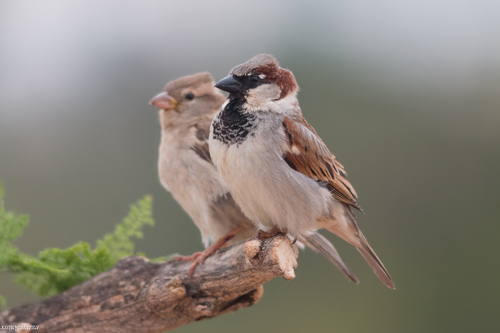
Pennsylvania, US
You might spot House Sparrow, Spotted Lanternfly, and American Robin.
View guide →

Ohio, US
You might spot Widow Skimmer, Eastern Pondhawk, and Bee.
View guide →

Ohio, US
You might spot Blue-Fronted Dancer, American Rubyspot, and Fowler's Toad.
View guide →
Virginia, US
You might spot Asian Lady Beetle and Eastern Tiger Swallowtail.
View guide →
Take the discovery with you
Snap it with Snappit to identify it, learn what makes it special, and add the discovery to your collection.








.jpg&width=800)



