





Holarctic Bears
Ursus
Holarctic bears are big, furry animals that live in cold places. They have strong bodies and love to eat fish, berries, and honey. These bears are great swimmers and can even catch fish in rivers!
Habitat: Tundra and forests
The Holarctic Bears possess stocky, powerful bodies covered in thick fur that ranges from creamy white in the Arctic to shades of brown, black, or reddish-brown. They have a distinctive broad head, small rounded ears, and a short tail, setting them apart from slighter canids.
Category
MammalsRarity
Common
Danger
5/5 · Extreme
Snaps
Be the first to snap!
A bear's bite force is strong enough to crush a bowling ball!
Some can climb trees incredibly fast, even with their large size!
Their huge paws are like snowshoes, helping them walk on deep snow!
They use over 11 different sounds to talk to each other, like growls and snorts!
Holarctic Bears can detect scents from over 30 kilometers away, which helps them find food and mates.
Holarctic Bears can swim for many kilometers, especially useful for hunting seals or crossing water bodies.
Holarctic Bears can enter a deep sleep called torpor, allowing them to conserve energy during harsh winter months.
These powerful omnivores enjoy a varied diet of plants, animals, and fish depending on the season!
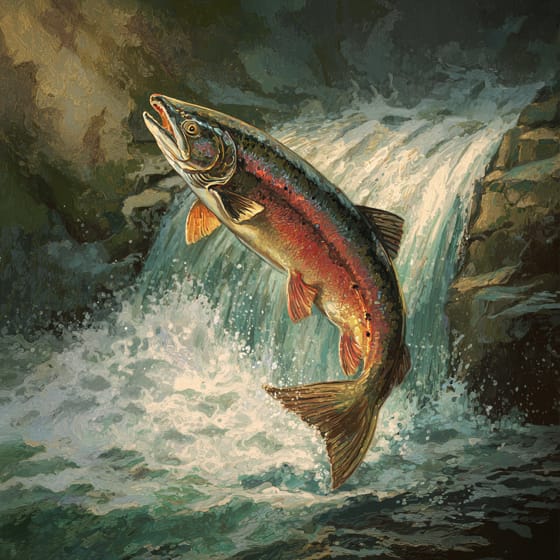
Salmo salar
A vital food source for many bear populations.

Vaccinium vitis-idaea
A common berry providing essential nutrients.
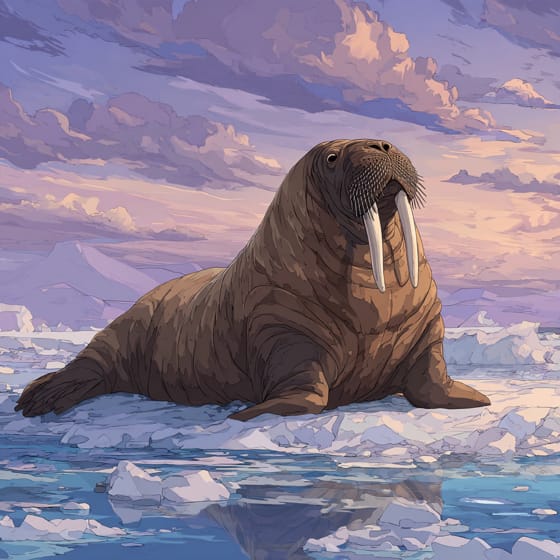
Odobenus rosmarus
Polar bears occasionally hunt young walruses.
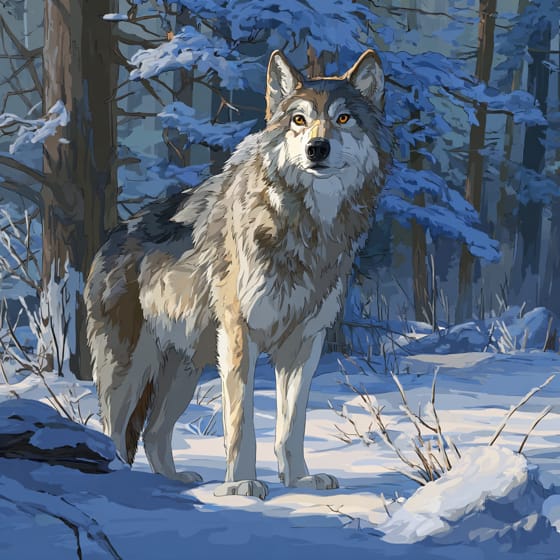
Canis lupus
Often compete for prey or scavenge each other's kills.
Furry describes animals possessing a dense covering of soft hair or fur.
Solitary animals live alone for most of their lives, only interacting with others for mating or parental care.
This trait identifies organisms whose diet includes both plant and animal matter.
This habitat trait refers to species inhabiting tundras, which are treeless biomes characterized by permafrost, cold temperatures, and low-growing vegetation.

Forest habitats are terrestrial environments dominated by dense tree cover, supporting a high diversity of plant and animal life.

Hibernating animals enter a state of metabolic depression during cold periods or when food is scarce, characterized by reduced body temperature and activity.

Describes a species whose presence and role have a disproportionately large effect on its environment.

This trait identifies organisms that exhibit exceptional swiftness in movement for hunting, escape, or travel.

Endangered status indicates a species is at a very high risk of extinction in the wild in the near future.
No aliases listed yet.
Danger
5/5 · Extreme
Always keep a safe distance from bears in the wild and never approach them.
The easiest way to identify Holarctic Bears is to use the Snappit nature identifier app.
120-300 cm
90-800 kg
15-30 years
56 km/h
These powerful omnivores enjoy a varied diet of plants, animals, and fish depending on the season!
Tundra and forests
Foraging
Zoom in to split clusters and explore where this object has been snapped.
Recent snaps will appear here as new observations are added.
Take the discovery with you
Snap it with Snappit to identify it, learn what makes it special, and add the discovery to your collection.





.jpg&width=800)


.JPG&width=800)



.jpg&width=800)
