





Walrus
Odobenus rosmarus
Walruses are large marine mammals with long tusks and whiskers. They live in cold Arctic waters.
Habitat: Arctic seas and ice floes.
The Walrus is a massive marine mammal, easily identified by its long, prominent ivory tusks and thick, wrinkled, reddish-brown skin. It has a distinctive broad muzzle covered in hundreds of stiff, sensitive whiskers, and a thick layer of blubber beneath its skin.
Category
MammalsRarity
Rare
Danger
5/5 · Extreme
Snaps
Be the first to snap!
Their blubber can be up to 15 cm thick, keeping them super warm in icy waters!
They often gather in huge groups called herds, sometimes with thousands of walruses!
Walrus calves stay with their moms for up to five years, learning how to survive!
Walruses can turn pale when diving as blood flows away from their skin!
Walrus can use their long tusks to pull themselves onto ice floes, helping them rest out of the water.
Walrus has hundreds of sensitive whiskers that help them feel for hidden shellfish on the dark seafloor.
Walrus has a thick layer of blubber that helps them stay warm and insulated in freezing Arctic waters.
Walrus can slow its heart rate to hold its breath for over 20 minutes, allowing for long dives.
Walruses mostly eat yummy shellfish and other tiny creatures they find on the ocean floor!
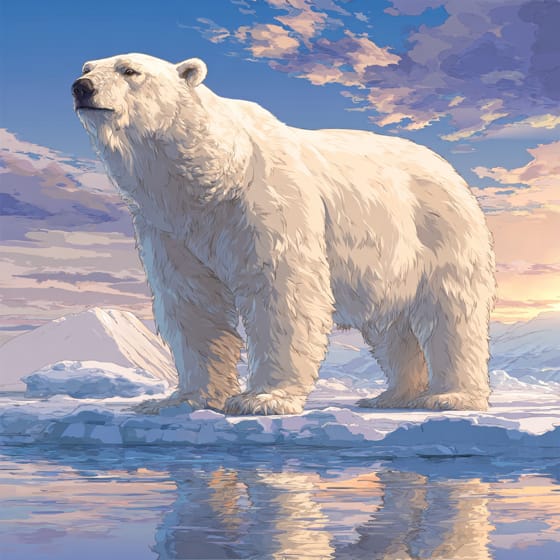
Ursus maritimus
Polar bears sometimes hunt young or sick walruses for food.
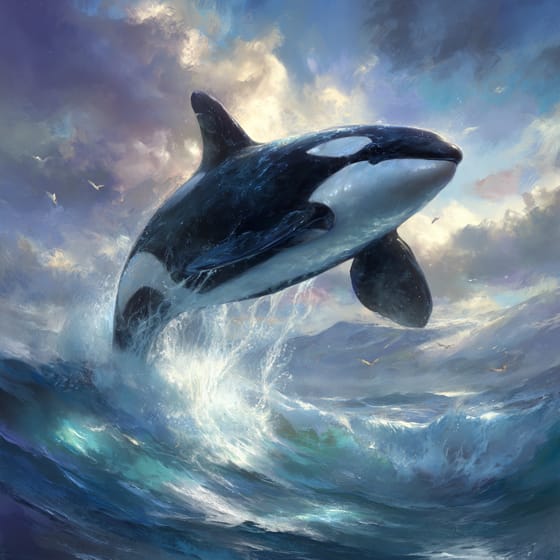
Orcinus orca
Orcas, or killer whales, are known predators of walruses in open waters.
Mya arenaria
These clams are a common and favorite food dug from the seabed.
Serripes groenlandicus
Walruses efficiently forage for these bivalves using their sensitive whiskers.
Furry describes animals possessing a dense covering of soft hair or fur.
Possessing prominent sensory hairs or vibrissae, often around the snout.
Social animals live in organized groups, cooperating for survival benefits such as foraging, defense, and raising offspring.
Piscivorous organisms are animals that primarily subsist on a diet of fish.

Thermoregulating organisms maintain a stable internal body temperature despite fluctuations in the external environment.

Characterized by having long, pointed, projecting teeth, usually in pairs.

Aquatic habitats encompass environments where organisms live predominantly in water, including oceans, rivers, lakes, and wetlands.

Migratory animals undertake seasonal movements from one region to another, typically in response to changes in climate or food availability.
Danger
5/5 · Extreme
Very dangerous — keep far away.
The easiest way to identify Walrus is to use the Snappit nature identifier app.
220-360 cm
800-1900 kg
15-20 years
35 km/h
Walruses mostly eat yummy shellfish and other tiny creatures they find on the ocean floor!
Arctic seas and ice floes.
Foraging
Zoom in to split clusters and explore where this object has been snapped.
Recent snaps will appear here as new observations are added.

California, US
You might spot Orca, Bottlenose Dolphin, and Beluga Whale.
View guide →

Hainaut, BE
You might spot Giant Panda, Polar Bear, and Tiger.
View guide →

Washington, US
You might spot Tiger, Walrus, and Polar Bear.
View guide →
California, US
You might spot Orca, Bottlenose Dolphin, and Sea Lion.
View guide →

Indiana, US
You might spot Orangutans, Bottlenose Dolphin, and Chimpanzee.
View guide →

Florida, US
You might spot Orca, Bottlenose Dolphin, and Penguin.
View guide →
Take the discovery with you
Snap it with Snappit to identify it, learn what makes it special, and add the discovery to your collection.




.jpg&width=800)




.JPG&width=800)



.jpg&width=800)
