





Honey Locust
Gleditsia triacanthos
The Honey Locust tree has thorns and sweet pods that animals love to eat. Its leaves turn a beautiful golden color in the fall, making it a lovely sight in parks and gardens.
Habitat: Parks, Gardens
The Honey Locust has sharp, often branched thorns on its trunk and branches, making it visually distinct. Its delicate, fern-like leaves turn golden in autumn, and it produces long, flattened, purplish-brown seed pods.
Category
TreesRarity
Common
Danger
2/5 · Low
Snaps
13
Ancient animals like mammoths might have helped spread Honey Locust seeds!
Early settlers used Honey Locust thorns as needles and nails!
Its wood is very hard, once used for fence posts and furniture!
Some Honey Locust varieties are thornless, perfect for parks!
Honey Locust has fierce, sharp thorns that help it defend against hungry plant-eaters trying to munch on its tender branches.
Honey Locust produces sweet, edible pods that attract animals, helping spread its seeds far and wide to grow new trees.
Honey Locust has incredibly tough roots that help it survive in dry soil and even polluted city environments.
Dasineura gleditschiae
larvae cause galls on leaves
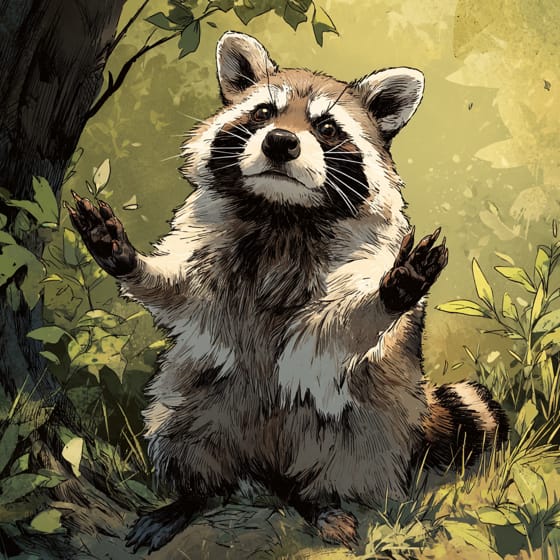
Procyon lotor
consumes sweet seed pods, aiding dispersal
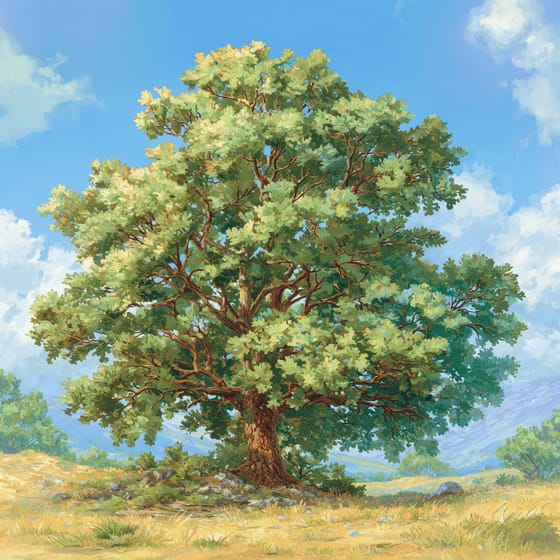
Quercus alba
often grows alongside in native woodlands
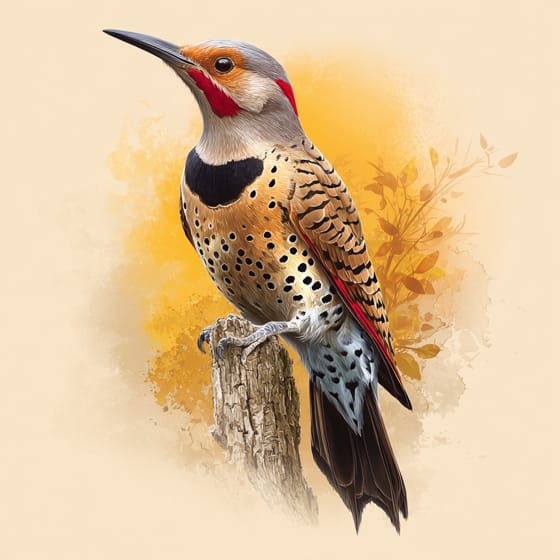
Colaptes auratus
often nests in cavities or branches
Deciduous plants periodically shed all their leaves, typically during autumn or dry seasons.
Fruit-bearing plants produce fruits, which are the mature ovaries of flowering plants containing seeds.
Pertaining to plants that have stems covered with sharp, pointed projections for defense.
Fall color refers to the seasonal change in foliage pigmentation, primarily in deciduous plants, displaying vibrant hues.

This habitat trait indicates species that can coexist with humans in urban and suburban environments, utilizing man-made structures and green spaces.
Danger
2/5 · Low
Watch out for the thorns on the Honey Locust tree and avoid touching them.
The easiest way to identify Honey Locust is to use the Snappit nature identifier app.
15-30 m
10-15 m
Yes
60-90 cm
80-120 years
Parks, Gardens
Legume pod
Zoom in to split clusters and explore where this object has been snapped.

Illinois, US
You might spot Eastern Fox Squirrel, Amur Honeysuckle, and Poison Hemlock.
View guide →

Tennessee, US
You might spot Pond Slider, White-Tailed Deer, and Great Blue Heron.
View guide →

Illinois, US
You might spot Ivory Gull, Bald Eagle, and Eastern Fox Squirrel.
View guide →

Louisiana, US
You might spot Mississippi River Wakerobin and Lyreleaf Sage.
View guide →

Tennessee, US
You might spot American Robin and Eastern Gray Squirrel.
View guide →

Texas, US
You might spot Silverleaf Nightshade and Green Comet Milkweed.
View guide →
Take the discovery with you
Snap it with Snappit to identify it, learn what makes it special, and add the discovery to your collection.









