





Hornbills
Bucerotidae
Hornbills are colorful birds known for their large, curved bills. They live in forests and are fun to watch as they fly and make sounds. Some hornbills even help trees by spreading seeds!
Habitat: Forests
The Hornbills have remarkably large, often brightly colored bills topped with a prominent, bony structure called a casque. Their plumage is typically black and white, sometimes with vibrant patches of red, yellow, or blue around the face or wings, making them visually striking.
Category
BirdsRarity
Common
Danger
2/5 · Low
Snaps
Be the first to snap!
Hornbills have long, thick eyelashes that help protect their eyes from sun and debris.
Some hornbill species can toss fruit into the air with their bill and catch it to eat!
The wings of a flying hornbill make a loud 'whooshing' sound that can be heard from afar!
Unlike most birds, some hornbill species have fused neck vertebrae to support their giant bills.
Hornbills can seal the female inside a tree cavity during nesting, protecting her and chicks from predators.
Hornbills have a hollow casque on their bill that amplifies their calls, allowing them to communicate loudly across distances.
Hornbills have large, strong bills that help them pluck and swallow big fruits, then spread their seeds far away.
Hornbills are omnivores that enjoy a varied diet of fruits, insects, and small animals.
Ficus benghalensis
Hornbills are vital for dispersing the seeds of fig trees.
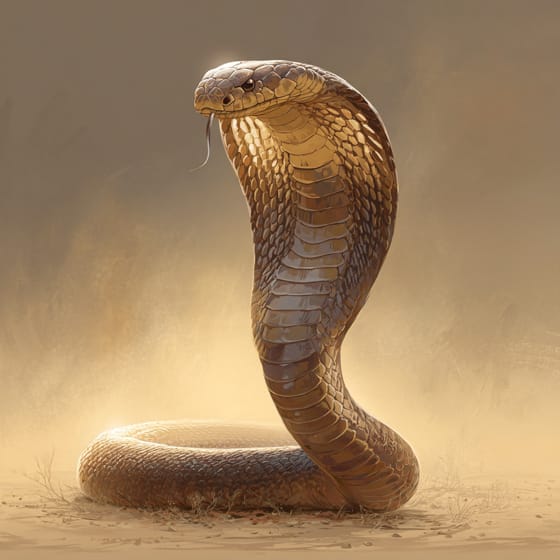
Naja naja
Some hornbill species prey on small snakes.
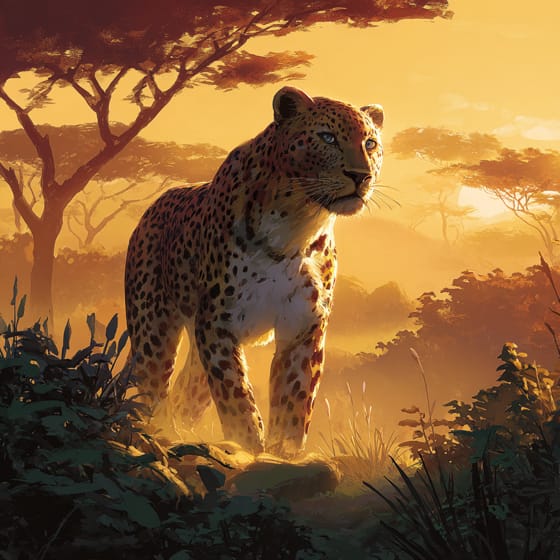
Panthera pardus
Large predators like leopards can sometimes hunt hornbills.
Feathered describes animals, primarily birds, possessing a covering of feathers.
Social animals live in organized groups, cooperating for survival benefits such as foraging, defense, and raising offspring.
This trait identifies organisms whose diet includes both plant and animal matter.
Colorful describes organisms or objects displaying a wide range of bright and distinct colors.

Forest habitats are terrestrial environments dominated by dense tree cover, supporting a high diversity of plant and animal life.

Diurnal animals are primarily active during daylight hours, typically resting or sleeping at night.

Describes a species whose presence and role have a disproportionately large effect on its environment.

Describes organisms that transfer pollen, enabling the fertilization and reproduction of plants.

Endangered status indicates a species is at a very high risk of extinction in the wild in the near future.
No aliases listed yet.
Danger
2/5 · Low
Always watch hornbills from a distance and don't try to touch them.
The easiest way to identify Hornbills is to use the Snappit nature identifier app.
30-120 cm
40-180 cm
0.15-4.2 kg
15-50 years
40 km/h
Hornbills are omnivores that enjoy a varied diet of fruits, insects, and small animals.
Forests
Zoom in to split clusters and explore where this object has been snapped.
Recent snaps will appear here as new observations are added.
Take the discovery with you
Snap it with Snappit to identify it, learn what makes it special, and add the discovery to your collection.





.jpg&width=800)







