





Hot Rock Penstemon
Penstemon deustus
The Hot Rock Penstemon is a colorful flower that loves to grow in rocky places. Its bright blooms attract bees and butterflies, making it a cheerful sight in nature!
Habitat: Mountain regions
The Hot Rock Penstemon has upright stems adorned with clusters of small, tubular flowers, typically creamy white to pale yellow, sometimes with faint purple streaks. Its narrow, slightly hairy leaves often have reddish margins, adding a subtle splash of color.
Category
PlantsRarity
Common
Danger
1/5 · Very low
Snaps
3
Its scientific name, 'deustus,' actually means 'scorched' – perfect for a hot rock dweller!
Like many penstemons, it has a fuzzy, sterile 'beardtongue' inside its flower – how quirky!
The unique shape of its flower provides a perfect landing pad for specific buzzing bee visitors!
You can find this tough plant growing on volcanic ash, showing how incredibly adaptable it is!
Hot Rock Penstemon has deep, fibrous roots that help it find water and nutrients in very dry, rocky soil.
It can have fuzzy or leathery leaves that reflect sunlight, protecting the plant from intense heat and water loss.
This plant can extract nutrients from poor, mineral-rich soils, allowing it to thrive where other plants cannot survive.
Bombus bifarius
Efficiently gathers nectar and pollen.
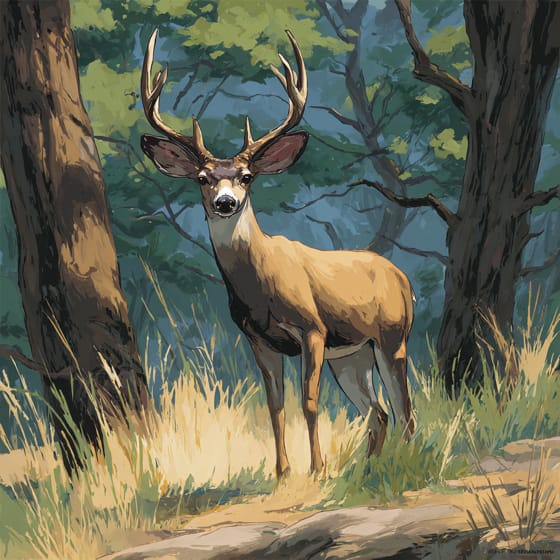
Odocoileus hemionus
May browse on its leaves and stems.
.jpg&width=800)
Megachile rotundata
Collects pollen for its nests.
Flowering plants are any plants that produce flowers as part of their reproductive cycle.
Summer blooming plants produce their flowers during the summer season, often providing vibrant color when many other plants have finished.
A tube flower has petals fused together at the base, forming a distinct tubular structure that typically holds nectar deep within.
Drought-tolerant plants can survive and flourish in conditions with limited water availability.

Colorful describes organisms or objects displaying a wide range of bright and distinct colors.

Describes plants that are particularly attractive and beneficial to a wide range of pollinating organisms.

This habitat trait identifies species found in mountainous regions, characterized by high elevation, steep slopes, and varying climate zones.
No aliases listed yet.
Danger
1/5 · Very low
Always look but don't touch flowers in the wild to keep them safe.
The easiest way to identify Hot Rock Penstemon is to use the Snappit nature identifier app.
10-60 cm
20-40 cm
1-2.5 cm
Late spring to mid-summer
No
None
Perennial
Zoom in to split clusters and explore where this object has been snapped.

Idaho, US
You might spot Limber Pine and Dwarf Purple Monkeyflower.
View guide →

Oregon, US
You might spot Northern Phlox, Marbled Wild-Ginger, and Pacific Trillium.
View guide →
Take the discovery with you
Snap it with Snappit to identify it, learn what makes it special, and add the discovery to your collection.








.jpg&width=800)



_001.jpg&width=800)




