





Humboldt's Flying Squirrel
Glaucomys oregonensis
Humboldt's Flying Squirrel is a cute, fluffy animal that glides through the trees! They have big eyes and soft fur, and they love to eat nuts and fruits.
Habitat: Forests
The Humboldt's Flying Squirrel has soft, dense fur that is reddish-brown to dark brown on its back and a creamy white on its belly. It possesses large, dark eyes for excellent night vision and a distinctive, furry patagium extending from wrist to ankle, enabling its amazing glides.
Category
MammalsRarity
Common
Danger
1/5 · Very low
Snaps
1
Did you know they can turn their head almost 180 degrees backwards? Wow!
Their bushy tail acts like a rudder, helping them steer precisely during glides!
These squirrels can communicate using high-pitched chirps and squeaks in the dark.
They build cozy nests called 'dreys' inside tree holes for sleeping and raising babies.
Humboldt's Flying Squirrel can effortlessly glide between trees because of a furry skin membrane (patagium) that acts like a parachute.
Humboldt's Flying Squirrel has huge, dark eyes that help them see clearly in the dark, making it easy to find food and avoid predators at night.
Humboldt's Flying Squirrel can move almost silently thanks to soft fur and padded feet, which helps them sneak up on insects or avoid being heard.
Humboldt's Flying Squirrel has a talent for storing extra food in tree cavities, which helps them survive when food is scarce in colder months.
These nocturnal nibblers enjoy a varied menu of fungi, nuts, seeds, and even a few insects!
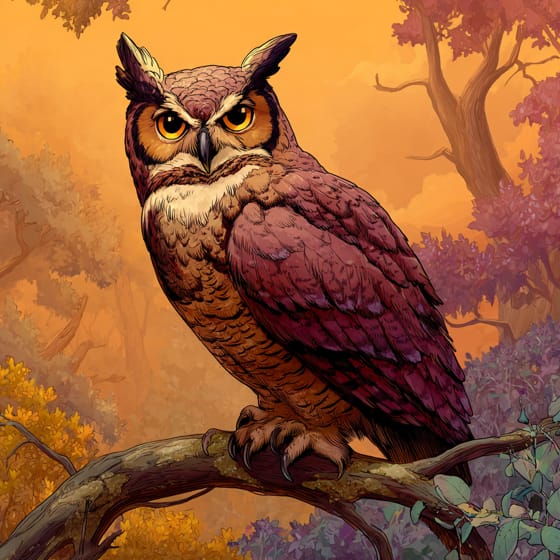
Bubo virginianus
A common night predator of the flying squirrel.
Rhizopogon vinicolor
Helps spread the spores of this underground fungus.
.jpg&width=800)
Martes americana
A swift, agile predator that can pursue them in trees.
Pinus ponderosa
Relies on its seeds for food and tree cavities for shelter.
Furry describes animals possessing a dense covering of soft hair or fur.
Social animals live in organized groups, cooperating for survival benefits such as foraging, defense, and raising offspring.
Arboreal animals live primarily in trees, utilizing them for shelter, food, and protection from predators.
Gliding animals move through the air by launching themselves and maintaining flight with specialized body structures, without flapping wings.

This trait characterizes organisms whose diet consists entirely or primarily of plant material.

Forest habitats are terrestrial environments dominated by dense tree cover, supporting a high diversity of plant and animal life.

Nocturnal animals are primarily active during the nighttime hours, typically resting or sleeping during the day.

Endangered status indicates a species is at a very high risk of extinction in the wild in the near future.
No aliases listed yet.
Danger
1/5 · Very low
If you see a squirrel, watch it from a distance and don't try to touch it.
The easiest way to identify Humboldt's Flying Squirrel is to use the Snappit nature identifier app.
14-17 cm
0.075-0.12 kg
3-5 years
20 km/h
These nocturnal nibblers enjoy a varied menu of fungi, nuts, seeds, and even a few insects!
Forests
Foraging
Zoom in to split clusters and explore where this object has been snapped.
Take the discovery with you
Snap it with Snappit to identify it, learn what makes it special, and add the discovery to your collection.





.jpg&width=800)


.JPG&width=800)


.jpg&width=800)
