





Iberian Frog
Rana iberica
The Iberian Frog is a small, colorful frog found in parts of Spain and Portugal. It loves to hop around in wet areas and can often be seen near ponds and streams.
Habitat: Wetlands
The Iberian Frog is a slender amphibian, typically yellowish-brown to reddish-brown, often adorned with darker spots and sometimes a faint light line along its back. Its belly is whitish, and it possesses a pointed snout and long, powerful hind legs adapted for leaping.
Category
AmphibiansRarity
Common
Danger
1/5 · Very low
Snaps
Be the first to snap!
Iberian Frogs are a special sign that the water around them is super clean.
Their babies, called tadpoles, have suction mouths to hold onto rocks.
These frogs love chilly mountain streams, where they lay their eggs!
They often hide under stones or roots to avoid being seen by predators.
Iberian Frog can leap far and quickly because of its powerful hind legs that help them escape danger.
Iberian Frog can breathe underwater through its skin that helps them stay submerged for long periods.
Iberian Frog has a long, sticky tongue that helps them snatch flying insects mid-air.
Iberian Frog has a slender body and webbed feet that help them glide through fast-flowing water.
These frogs are insectivores, mostly eating small insects and spiders they catch with their sticky tongue.
Age differences: Tadpoles eat algae and detritus, while adult frogs primarily consume small invertebrates.

Natrix maura
A common predator in its aquatic habitat.
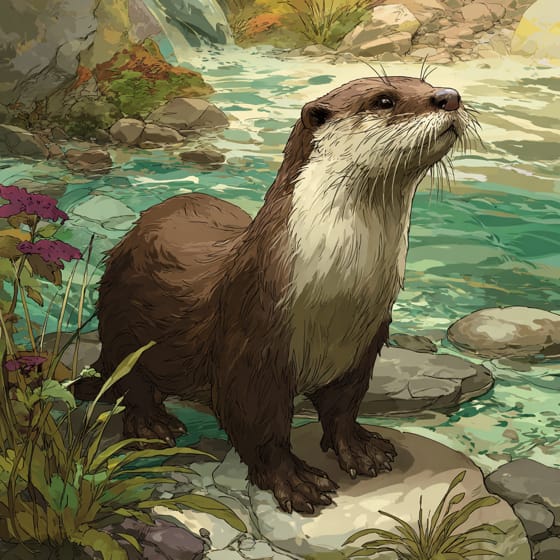
Lutra lutra
Opportunistic predator in the same river systems.
.jpg&width=800)
Ardea cinerea
Birds often prey on frogs near water sources.
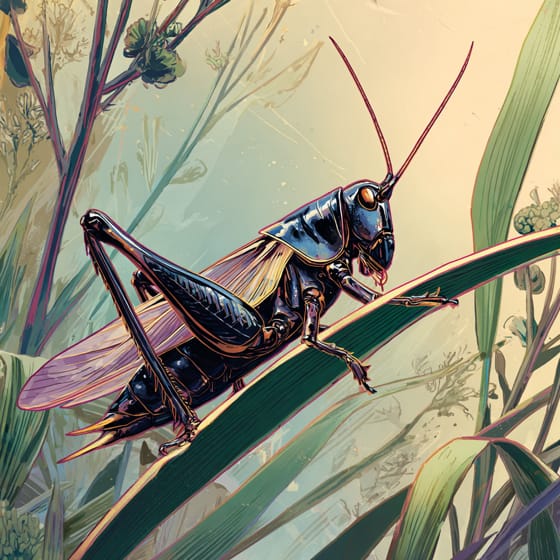
Gryllus bimaculatus
A common insect prey item for adult frogs.
Formica rufa
Ants are part of its varied insect diet.
Social animals live in organized groups, cooperating for survival benefits such as foraging, defense, and raising offspring.
Camouflaged describes organisms that possess coloring or patterns that allow them to blend into their environment.
Colorful describes organisms or objects displaying a wide range of bright and distinct colors.
This trait identifies organisms whose diet primarily consists of insects and other small invertebrates.

This habitat trait identifies species found in wetlands, which are areas of land saturated with water, either permanently or seasonally, including marshes, swamps, and bogs.

Diurnal animals are primarily active during daylight hours, typically resting or sleeping at night.

Describes organisms that transfer pollen, enabling the fertilization and reproduction of plants.

Endangered status indicates a species is at a very high risk of extinction in the wild in the near future.
No aliases listed yet.
Danger
1/5 · Very low
Always watch frogs from a distance and don't try to catch them.
The easiest way to identify Iberian Frog is to use the Snappit nature identifier app.
3.5-6 cm
0.002-0.01 kg
4-6 years
5 km/h
These frogs are insectivores, mostly eating small insects and spiders they catch with their sticky tongue.
Wetlands
Ambush
Zoom in to split clusters and explore where this object has been snapped.
Recent snaps will appear here as new observations are added.
Take the discovery with you
Snap it with Snappit to identify it, learn what makes it special, and add the discovery to your collection.







.JPG&width=800)


.jpg&width=800)

