_at_IG_Zoological_park%2C_Visakhapatnam_03.JPG&width=800)





Indian Crested Porcupine
Hystrix indica
The Indian Crested Porcupine is a spiky animal that loves to dig and eat plants. They have sharp quills that help protect them from danger. These friendly creatures are mostly active at night!
Habitat: Grasslands
The Indian Crested Porcupine is a large rodent covered in long, sharp quills banded with white and brown. It has a distinctive crest of lighter quills on its head and neck, which can be raised. Its face and limbs are typically dark brown to black.
Category
MammalsRarity
Common
Danger
3/5 · Moderate
Snaps
Be the first to snap!
Baby porcupines are called 'porcupettes' and are born with soft quills!
Porcupines rattle hollow quills on their tail to warn predators about danger!
Their quills are modified hairs and can grow up to 30 centimeters long!
They use their strong teeth to gnaw on bones, getting vital minerals!
Indian Crested Porcupine has excellent low-light vision and hearing that helps them find food and avoid predators in the dark.
Indian Crested Porcupine can dig extensive burrows because of its strong claws that help them create safe dens.
Indian Crested Porcupine can raise its crest and rattle its hollow quills to make itself look bigger and warn off threats.
This porcupine munches on roots, fruits, and bark, sometimes even gnawing on bones for minerals!
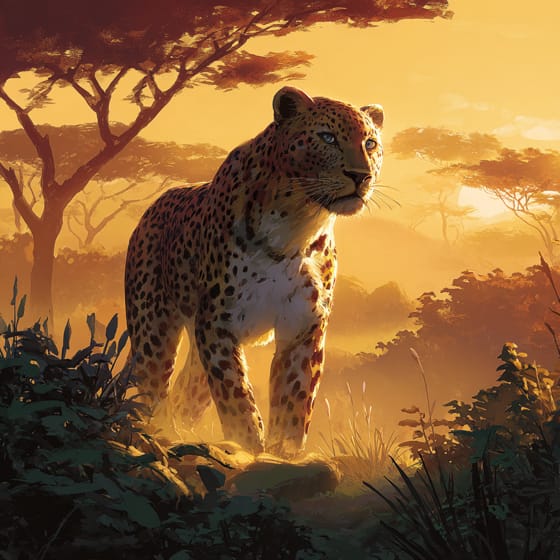
Panthera pardus
Leopards occasionally prey on porcupines despite their quills.
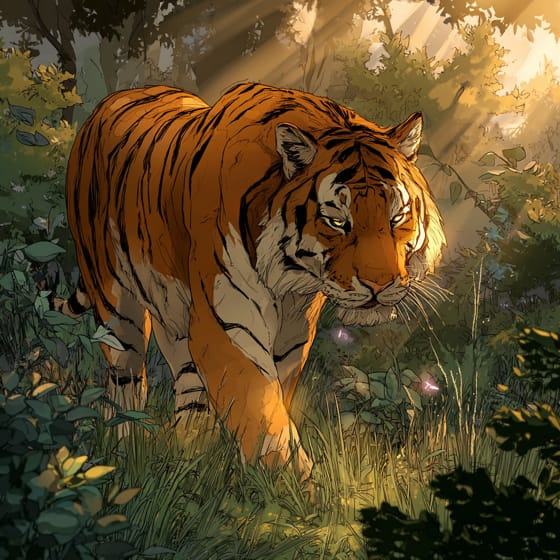
Panthera tigris
Tigers are powerful enough to overcome porcupine defenses.
Hyaena hyaena
Hyenas can kill porcupines, often by flipping them over.
Furry describes animals possessing a dense covering of soft hair or fur.
Crested describes animals possessing a prominent tuft of feathers, hair, or skin on their head.
Social animals live in organized groups, cooperating for survival benefits such as foraging, defense, and raising offspring.
Burrowing animals dig tunnels and chambers in the ground, using these subterranean structures for shelter, hunting, or breeding.

Grassland habitats are terrestrial biomes dominated by grasses and herbaceous plants, supporting a variety of grazing animals.

This trait characterizes organisms whose diet consists entirely or primarily of plant material.

Possessing sharp, pointed projections or spines on the body or surface.

Nocturnal animals are primarily active during the nighttime hours, typically resting or sleeping during the day.
No aliases listed yet.
Danger
3/5 · Moderate
If you see a porcupine, keep your distance! Their quills can hurt if you touch them.
The easiest way to identify Indian Crested Porcupine is to use the Snappit nature identifier app.
78-100 cm
11-24 kg
10-20 years
15 km/h
This porcupine munches on roots, fruits, and bark, sometimes even gnawing on bones for minerals!
Grasslands
Foraging
Zoom in to split clusters and explore where this object has been snapped.
Recent snaps will appear here as new observations are added.
Take the discovery with you
Snap it with Snappit to identify it, learn what makes it special, and add the discovery to your collection.




.jpg&width=800)



.JPG&width=800)
.jpg&width=800)
