Duck
.jpg)
The Washington Park Arboretum, nestled in the heart of Seattle, Washington, is a breathtaking 230-acre urban oasis jointly managed by the University of Washington Botanic Gardens, Seattle Parks and Recreation, and the Arboretum Foundation.
The Washington Park Arboretum, nestled in the heart of Seattle, Washington, is a breathtaking 230-acre urban oasis jointly managed by the University of Washington Botanic Gardens, Seattle Parks and Recreation, and the Arboretum Foundation. This living museum boasts one of the most diverse and important collections of woody plants in North America, with many species found nowhere else in the Pacific Northwest. It offers a unique blend of manicured gardens, natural wetlands, and serene walking trails, making it a truly special destination for nature lovers and a peaceful escape from city life.
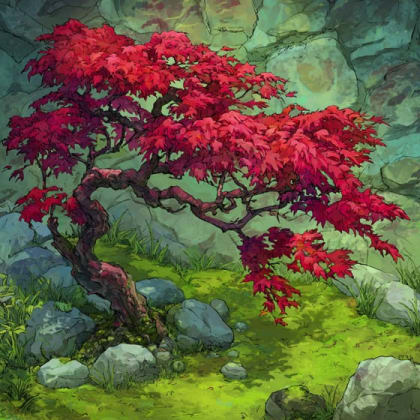
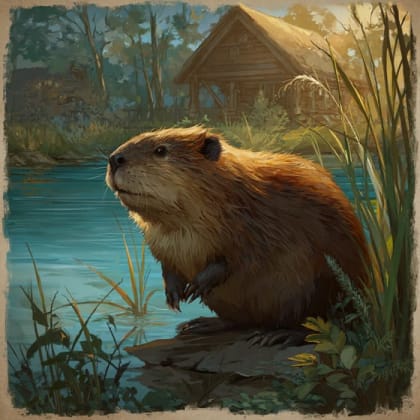
Visitors can wander through iconic pathways like Azalea Way, renowned for its vibrant displays of azaleas, flowering cherries, dogwoods, and magnolias, particularly stunning in spring. The Pacific Connections Garden takes you on a global journey, showcasing flora from five eco-geographic regions including Cascadia, New Zealand, and China, where you can admire the vast scale of local trees like the western redcedar. The Joseph A. Witt Winter Garden delights with fragrant blooms and unique textures even in colder months, while the Arboretum's extensive collection of Japanese maples offers spectacular fall foliage. Wildlife abounds in the park's diverse habitats; keep an eye out for waterfowl such as Mallards, Wood Ducks, Gadwalls, and Canada Geese in the wetland areas, Great Blue Herons stalking the shores, and even American Beavers.
This remarkable arboretum is a free, year-round haven that continuously transforms with the seasons, offering new discoveries with each visit. Whether you're seeking a tranquil stroll, an invigorating hike, a spot for birdwatching, or a scenic backdrop for photography, the Washington Park Arboretum provides endless opportunities for exploration and connection with nature. Its combination of horticultural excellence, natural beauty, and abundant wildlife, including the lively Dark-eyed Junco and the graceful Western Sword Fern, makes it an unforgettable and restorative experience for everyone. Wondering what that bird or insect is? Find out on your visit using the Snappit nature app.
The history of the Washington Park Arboretum is deeply intertwined with the land's original inhabitants and subsequent urban development. Prior to European colonization, the area was home to the Duwamish people, who called it Sxwacugwit, signifying its importance as a portage route. The land was later acquired by the Puget Mill Company and became a city park in 1900. The renowned Olmsted Brothers firm played a significant role in its early design, conceptualizing Lake Washington Boulevard in 1903 and later developing a master plan for the arboretum in 1936. The Washington Park Arboretum was officially established in 1934 as a joint project between the City of Seattle and the University of Washington. During the Great Depression, Works Progress Administration (WPA) crews made substantial improvements, building infrastructure and contributing to plantings. Under the long directorship of Brian O. Mulligan from 1945 to 1972, the arboretum's plant collections flourished, and significant additions like the Joseph A. Witt Winter Garden (1949) and the Seattle Japanese Garden (1960) were developed, solidifying its status as a world-class botanical institution.
Enjoy leisurely walks or invigorating hikes amidst diverse plant collections. Engage in birdwatching—the wetlands and waterways are excellent spots for observing Mallards, Great Blue Herons, Wood Ducks, and Canada Geese. Photography opportunities abound with seasonal blooms and varied landscapes. Consider picnicking, or for a unique adventure, rent a kayak or canoe to explore the adjacent waterways. You might spot an Eastern Gray Squirrel scampering through the trees or an Eastern Cottontail hopping in the undergrowth.
Spring: Witness a riot of color with azaleas, flowering cherries, dogwoods, and magnolias in peak bloom.
Summer: Enjoy hydrangeas, magnolias, and the formal tranquility of the Japanese Garden.
Fall: The arboretum transforms with breathtaking autumn foliage, particularly the vibrant reds, oranges, and yellows of the Japanese maples and oaks.
Winter: The Joseph A. Witt Winter Garden comes alive with fragrant witch hazels, camellias, and the striking bark of paperbark maples. Evergreen collections maintain lush greenery throughout.
Wildlife: Coyote sightings are common year-round. It is crucial not to feed or approach coyotes, and to haze them (make loud noises, wave arms) if they seem too comfortable with humans.
The Washington Park Arboretum strives for accessibility. Accessible parking is available at the Graham Visitors Center. Arboretum Drive is closed to general traffic but can be used by visitors with limited mobility to drive slowly between sections. There are three recommended accessible trail loops, composed of paved sections and compacted gravel, that are at least 5 feet wide and do not exceed a 5% grade. These include portions of Azalea Way and the Arboretum Loop Trail. Wheelchair-accessible restrooms are located at the Graham Visitors Center.
the Japanese Garden has a separate entrance fee). The Arboretum Loop Trail and the Arboretum Waterfront Trail offer different scenic perspectives.
Each card links to a full Explore page with photos, traits, and fun facts.
Start with the big picture, then zoom in to explore individual wildlife observations around this place.
Begin your visit at the Graham Visitors Center to pick up a map, get up-to-date information on seasonal highlights, and ask staff for recommendations.
Wear comfortable walking shoes, as the arboretum features miles of trails to explore.
To avoid crowds, especially on nice weekends, plan your visit for a weekday or early morning.
Bring binoculars for birdwatching, particularly around Foster Island and the wetland areas, where many waterfowl and wading birds can be spotted.
Consider renting a kayak or canoe from nearby vendors to explore the arboretum's waterways and get a unique perspective.
Be aware of wildlife, especially coyotes. Do not feed them, and if you encounter one that seems too comfortable around humans, make loud noises and wave your arms to haze it.
Parking is free but can fill up quickly on busy days. Look for lots near the Visitors Center and along Lake Washington Boulevard.
Jan 25, 2026
Jan 25, 2026
Jan 17, 2026
Jan 17, 2026
Jan 17, 2026

Maryland, US
You might spot White-Tailed Deer and Eastern Gray Squirrel.
View guide →
.jpg)
District of Columbia, US
You might spot Eastern Gray Squirrel, Duck, and House Sparrow.
View guide →

Illinois, US
You might spot American Robin, Canada Goose, and House Sparrow.
View guide →

Virginia, US
You might spot Spotted Lanternfly and Northern Cardinal.
View guide →
Take the discovery with you
Identify the wildlife you spot, learn as you go, and keep a collection of the adventure.