





Judas-tree
Cercis siliquastrum
The Judas-tree is a beautiful tree that blooms with bright pink flowers in spring. Its heart-shaped leaves make it a lovely sight, and it can grow quite tall, providing shade in gardens and parks.
Habitat: Urban areas
The Judas-tree is a small, deciduous tree known for its striking deep pink to purplish-pink pea-like flowers that bloom directly on its bare branches and trunk in early spring. Its heart-shaped leaves follow, turning yellow in autumn. Long, flattened reddish-brown pods persist through winter.
Category
PlantsRarity
Common
Danger
1/5 · Very low
Snaps
Be the first to snap!
Ancient stories link its weeping form and red blooms to a famous biblical tale!
Its flattened seed pods can hang on branches all winter, making it easy to spot even then!
Its perfectly heart-shaped leaves make it a popular symbol of love and affection!
The bright pink flowers are totally edible and taste like a yummy sweet-sour snack!
Judas-tree can bloom directly on its old wood (cauliflory), maximizing sunlight for early spring pollinators before leaves appear.
Judas-tree has vibrant, pea-like pink flowers that burst open before its leaves, making it highly visible to hungry insects in early spring.
Judas-tree can grow long, flat seed pods that mature through summer, ensuring its seeds are ready for dispersal by autumn winds.
Apis mellifera
Collects nectar and pollen from its early spring flowers.
Bombus terrestris
Visits the vibrant blossoms for essential spring food.

Cyanistes caeruleus
Nests in its branches, hidden by its heart-shaped leaves.
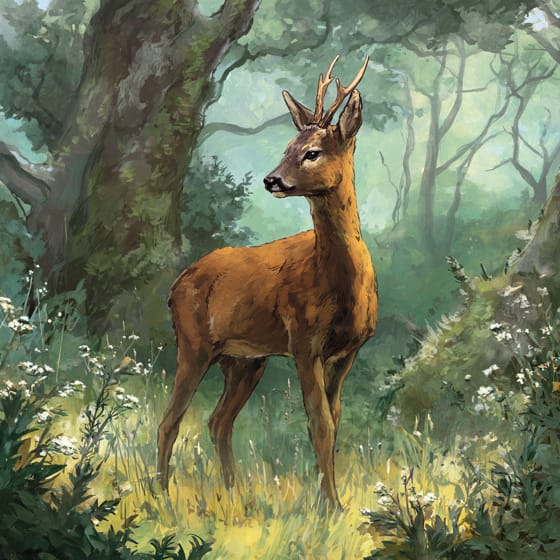
Capreolus capreolus
Browses on young leaves and shoots, especially in natural habitats.
Deciduous plants periodically shed all their leaves, typically during autumn or dry seasons.
Flowering plants are any plants that produce flowers as part of their reproductive cycle.
Spring blooming plants produce their flowers during the spring season, often signifying the end of winter and the start of new growth.
Broadleaf trees are angiosperms characterized by flat, wide leaves that are typically shed annually in temperate climates.

Fragrant flowers emit a pleasant aroma, often to attract pollinators or for defense.

Colorful describes organisms or objects displaying a wide range of bright and distinct colors.

Describes plants that are particularly attractive and beneficial to a wide range of pollinating organisms.

Timber refers to wood that has been prepared for use in building and carpentry.

This habitat trait indicates species that can coexist with humans in urban and suburban environments, utilizing man-made structures and green spaces.
Danger
1/5 · Very low
Always stay on paths when exploring and don't climb trees without an adult.
The easiest way to identify Judas-tree is to use the Snappit nature identifier app.
400-1000 cm
300-700 cm
1-2 cm
Early spring
Yes
None
Perennial
Zoom in to split clusters and explore where this object has been snapped.
Recent snaps will appear here as new observations are added.
Take the discovery with you
Snap it with Snappit to identify it, learn what makes it special, and add the discovery to your collection.







.jpg&width=800)

_001.jpg&width=800)




