





Julia Heliconian
Dryas iulia
The Julia Heliconian is a beautiful butterfly with bright orange wings. They love to flutter around flowers and are often found in sunny places, making them a delightful sight in nature.
Habitat: Tropical forests
The Julia Heliconian is a vibrant, slender butterfly with long, narrow wings primarily bright orange. Its upper wing surface features black markings, especially on the wingtips and a thin border, making it visually distinct from many other orange butterflies.
Category
InsectsRarity
Common
Danger
1/5 · Very low
Snaps
8
Julia Heliconians use their antennae to smell for tasty flowers.
Their spiky caterpillars are also bright orange and black.
They often sleep upside down, hanging from leaves at night!
This butterfly loves to sunbathe to warm up for flying fast.
Julia Heliconian has toxic chemicals in its body because of its diet, which helps them deter predators from eating them.
Julia Heliconian can digest pollen to gain extra nutrients, which helps them live much longer than most other butterflies.
Julia Heliconian has bright orange wings that helps them warn predators they are poisonous, making animals avoid them.
Adult Julia Heliconians sip flower nectar and pollen; their caterpillars munch on passionflower leaves.
Age differences: Larvae eat passionflower leaves, while adults primarily consume nectar and pollen.

Passiflora incarnata
Larvae feed exclusively on its leaves.
Anolis carolinensis
Lizards may try to eat them, but find them unpalatable.
.jpg&width=800)
Lantana camara
Adults visit its flowers for nectar, helping pollination.
Araneus diadematus
Some spiders may catch them in webs, despite their toxicity.
Colorful describes organisms or objects displaying a wide range of bright and distinct colors.
This trait characterizes organisms whose diet consists entirely or primarily of plant material.
Describes plants that are particularly attractive and beneficial to a wide range of pollinating organisms.
This trait characterizes organisms with an exceptionally long lifespan compared to others of their kind.

Diurnal animals are primarily active during daylight hours, typically resting or sleeping at night.

Migratory animals undertake seasonal movements from one region to another, typically in response to changes in climate or food availability.

Describes organisms that transfer pollen, enabling the fertilization and reproduction of plants.
Danger
1/5 · Very low
Always watch butterflies from a distance to keep them safe.
The easiest way to identify Julia Heliconian is to use the Snappit nature identifier app.
70-95 mm
25-35 mm
60-90 days
20 km/h
Adult Julia Heliconians sip flower nectar and pollen; their caterpillars munch on passionflower leaves.
Tropical forests
Foraging
Zoom in to split clusters and explore where this object has been snapped.

Florida, US
You might spot White Ibis, Green Iguana, and Black-Crowned Night Heron.
View guide →

Florida, US
You might spot Brown Anole and Northern Curly-Tailed Lizard.
View guide →

Florida, US
You might spot Julia Heliconian, Marlberry, and White Peacock.
View guide →
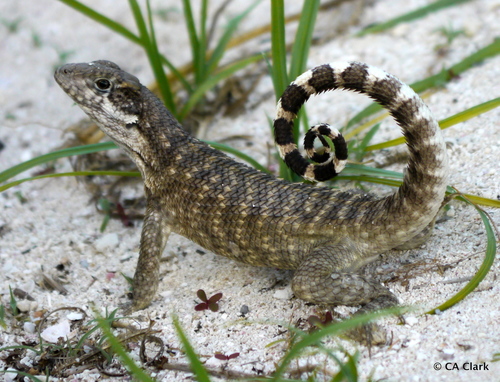
Florida, US
You might spot Northern Curly-Tailed Lizard and Green Iguana.
View guide →
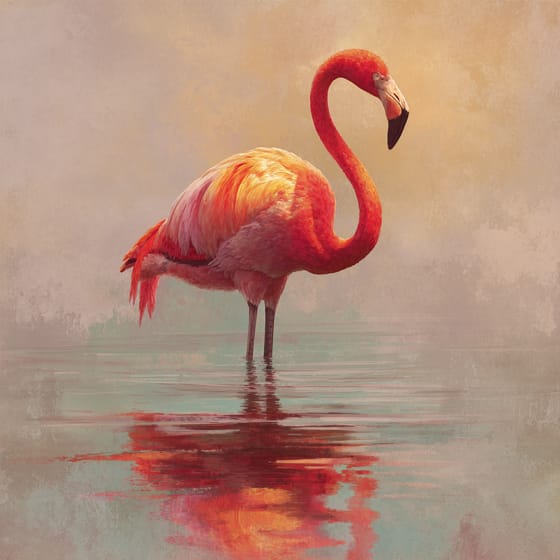
Florida, US
You might spot American Flamingo and Owl Butterfly.
View guide →
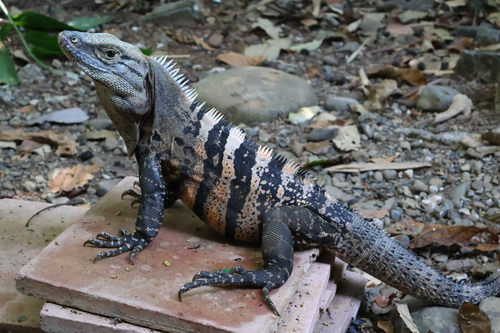
Florida, US
You might spot Black Spiny-Tailed Iguana, Brown Anole, and Sea Grape.
View guide →
Take the discovery with you
Snap it with Snappit to identify it, learn what makes it special, and add the discovery to your collection.







.jpg&width=800)



