





Juniper Hairstreak
Callophrys gryneus
The Juniper Hairstreak is a small, colorful butterfly with beautiful green and brown wings. They love to flutter around juniper trees and are often seen in sunny spots.
Habitat: Forests
The Juniper Hairstreak has brilliant iridescent green undersides on its wings, often adorned with a white dash, contrasting with drabber brown or orange uppersides. It features delicate, hair-like tails on its hindwings, which are distinctive.
Category
InsectsRarity
Common
Danger
1/5 · Very low
Snaps
15
Despite their small size, they can fly very fast in short, darting bursts!
Juniper Hairstreaks taste nectar with their feet before sipping with a long straw-like tongue!
Some populations in the south can have several generations in a single year!
The caterpillars munch only on juniper needles, making them super picky eaters!
Juniper Hairstreak has vibrant green wings that help them blend perfectly with juniper needles, making them nearly invisible to predators.
Juniper Hairstreak has twitching tails and eyespots on its hindwings, tricking predators into attacking the wrong end.
Adults sip flower nectar; caterpillars feast exclusively on juniper leaves.
Age differences: Larvae eat juniper needles, while adults drink nectar from various flowers.

Juniperus virginiana
Caterpillars exclusively feed on its needles.
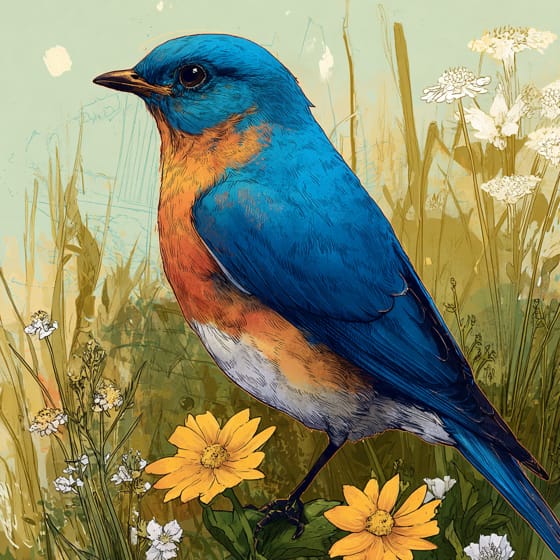
Sialia sialis
Brightly colored birds may prey on adults.
Solidago canadensis
Adults visit its flowers for nectar.
Solitary animals live alone for most of their lives, only interacting with others for mating or parental care.
Camouflaged describes organisms that possess coloring or patterns that allow them to blend into their environment.
Colorful describes organisms or objects displaying a wide range of bright and distinct colors.
This trait characterizes organisms whose diet consists entirely or primarily of plant material.

Describes plants that are particularly attractive and beneficial to a wide range of pollinating organisms.

Forest habitats are terrestrial environments dominated by dense tree cover, supporting a high diversity of plant and animal life.

Diurnal animals are primarily active during daylight hours, typically resting or sleeping at night.

Describes organisms that transfer pollen, enabling the fertilization and reproduction of plants.
No aliases listed yet.
Danger
1/5 · Very low
Butterflies are friendly and safe to watch, but don't try to catch them.
The easiest way to identify Juniper Hairstreak is to use the Snappit nature identifier app.
20-30 mm
15-25 mm
14-28 days
8 km/h
Adults sip flower nectar; caterpillars feast exclusively on juniper leaves.
Forests
Foraging
Zoom in to split clusters and explore where this object has been snapped.

Tennessee, US
You might spot American Robin, Northern Cardinal, and Eastern Chipmunk.
View guide →

West Virginia, US
You might spot Spotted Lanternfly and Eastern Box Turtle.
View guide →

Oregon, US
You might spot Mule Deer, Song Sparrow, and Northern Yellow Warbler.
View guide →

Oregon, US
You might spot Blue Mountain Prairie Clover and Munro's Globemallow.
View guide →

Montana, US
You might spot Bighorn Sheep and Curlleaf Mountain Mahogany.
View guide →

British Columbia, CA
You might spot Green Comma, Mourning Cloak, and Hoary Comma.
View guide →
Take the discovery with you
Snap it with Snappit to identify it, learn what makes it special, and add the discovery to your collection.







.jpg&width=800)


