




Lambert's Locoweed
Oxytropis lambertii
Lambert's Locoweed is a pretty plant with lovely purple flowers. It grows in the wild and is known for its unique look and special smell that attracts bees and butterflies.
Habitat: Mountain regions
The Lambert's Locoweed has showy spikes of pea-like flowers, typically vibrant purple, pink, or sometimes white. It forms dense clumps of silvery-green, hairy leaves that grow from a central base, standing out in arid landscapes.
Category
PlantsRarity
Common
Danger
3/5 · Moderate
Snaps
3
Eating too much of this plant can make animals wander in circles, acting totally confused!
It can grow in really tough, dry soils where most other plants would simply dry up and vanish.
Its vibrant, pea-like flowers can glow in shades from deep purple to soft pink and even pure white!
Tiny bacteria in its roots are like mini-chefs, cooking up nutrients for the plant from the air!
Lambert's Locoweed has a deep taproot that helps it find water far underground, allowing it to survive in dry, harsh environments.
Lambert's Locoweed can produce a powerful toxin called swainsonine, which helps it defend against grazing animals that try to eat its leaves.
This plant can work with special bacteria in its roots to pull nitrogen from the air, making its own food in poor soils.

Bos taurus
Eating too much causes 'locoism'.

Equus caballus
Highly susceptible to its toxic effects.
Bombus occidentalis
Visits its flowers for nectar and pollen.
Rhizobium leguminosarum
Fixes nitrogen in its root nodules.
Flowering plants are any plants that produce flowers as part of their reproductive cycle.
Describes organisms capable of converting atmospheric nitrogen into compounds usable by plants.
Fragrant flowers emit a pleasant aroma, often to attract pollinators or for defense.
Colorful describes organisms or objects displaying a wide range of bright and distinct colors.

Edible plants are those parts of a plant that are considered safe for human consumption.

Describes plants that are particularly attractive and beneficial to a wide range of pollinating organisms.

This habitat trait identifies species found in mountainous regions, characterized by high elevation, steep slopes, and varying climate zones.
No aliases listed yet.
Danger
3/5 · Moderate
Do not touch or eat any wild plants without asking an adult first.
The easiest way to identify Lambert's Locoweed is to use the Snappit nature identifier app.
10-50 cm
15-30 cm
1-2 cm
Late spring to mid-summer
No
High
Perennial
Zoom in to split clusters and explore where this object has been snapped.

Colorado, US
You might spot Fireweed, Scentless Mayweed, and Quaking Aspen.
View guide →

Colorado, US
You might spot Great Basin Bristlecone Pine and Mule Deer.
View guide →
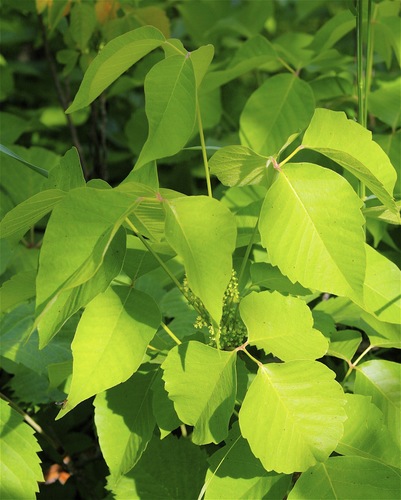
North Dakota, US
You might spot Western Poison Ivy, Wild Licorice, and Leadplant.
View guide →

Colorado, US
You might spot Elk, Mule Deer, and Moose.
View guide →

Colorado, US
You might spot Bighorn Sheep and Quaking Aspen.
View guide →

Colorado, US
You might spot Front Range Beardtongue and Mountain Ball Cactus.
View guide →
Take the discovery with you
Snap it with Snappit to identify it, learn what makes it special, and add the discovery to your collection.








.jpg&width=800)


_001.jpg&width=800)



