





Lanceleaf Stonecrop
Sedum lanceolatum
Lanceleaf Stonecrop is a fun, green plant that grows in rocky places. Its leaves are long and pointy, and it can bloom with pretty yellow flowers in the summer!
Habitat: Rocky areas
The Lanceleaf Stonecrop has thick, fleshy, lance-shaped leaves that can appear green, reddish, or bluish, often clustered on low-growing stems. Its bright yellow, star-shaped flowers bloom in dense clusters, standing out vividly against the succulent foliage.
Category
PlantsRarity
Common
Danger
1/5 · Very low
Snaps
9
Its leaves can blush bright red or purple when soaking up lots of sunshine!
Lanceleaf Stonecrop's flowers glow with nectar, a sweet treat for thirsty bees!
Some people say its juicy leaves taste a bit tart, like a wild green snack!
This plant is tough enough to sprout and grow in tiny cracks of solid rock!
Lanceleaf Stonecrop has plump, succulent leaves that store precious water, allowing it to thrive in very dry places.
Lanceleaf Stonecrop can anchor itself in tiny rock crevices, surviving where most plants can't find soil.
Apis mellifera
Collects nectar and pollen from its flowers.

Vanessa cardui
Visits flowers for nectar, aiding in pollination.
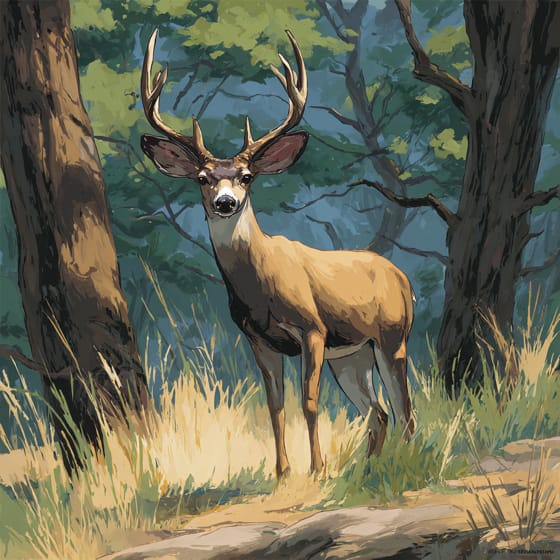
Odocoileus hemionus
May nibble its drought-resistant leaves when food is scarce.
Flowering plants are any plants that produce flowers as part of their reproductive cycle.
Ornamental plants are cultivated primarily for their aesthetic appeal, enhancing landscapes and gardens with their attractive foliage, flowers, or form.
Summer blooming plants produce their flowers during the summer season, often providing vibrant color when many other plants have finished.
Drought-tolerant plants can survive and flourish in conditions with limited water availability.

Succulent plants have thickened, fleshy parts, usually leaves or stems, adapted to store water in arid climates.

Edible plants are those parts of a plant that are considered safe for human consumption.

Describes plants that are particularly attractive and beneficial to a wide range of pollinating organisms.
No aliases listed yet.
Danger
1/5 · Very low
Always look but don't touch wild plants unless you have an adult with you.
The easiest way to identify Lanceleaf Stonecrop is to use the Snappit nature identifier app.
5-20 cm
10-30 cm
0.5-1.5 cm
Late spring to late summer
Yes
None
Perennial
Zoom in to split clusters and explore where this object has been snapped.

Colorado, US
You might spot Rocky Mountain Marsh-Marigold and American Bistort.
View guide →

Colorado, US
You might spot Elk, Mule Deer, and Black-Billed Magpie.
View guide →

British Columbia, CA
You might spot White Pasqueflower and Columbian Ground Squirrel.
View guide →

British Columbia, CA
You might spot Harbor Seal, Evergreen Huckleberry, and Alumroots.
View guide →

Colorado, US
You might spot Great Basin Bristlecone Pine and Fireweed.
View guide →

Colorado, US
You might spot Elk, Mule Deer, and Moose.
View guide →
Take the discovery with you
Snap it with Snappit to identify it, learn what makes it special, and add the discovery to your collection.








.jpg&width=800)



_001.jpg&width=800)



