.jpg&width=800)




Large-leaved lupine
Lupinus polyphyllus
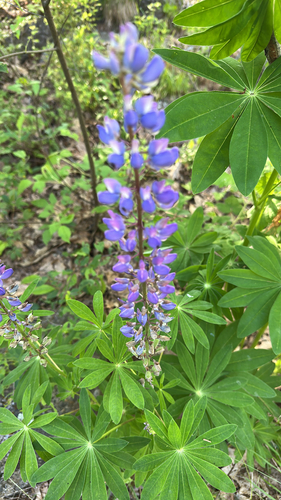
Large-leaved lupine is a colorful flower that grows in big clusters. Its leaves are wide and can look like a hand with many fingers. These flowers are great for gardens and attract butterflies!
Habitat: Grasslands
The Large-leaved lupine has tall, stately spires of densely packed, pea-like flowers, typically in shades of purple, blue, pink, or white. Its large, palmate leaves are divided into 9-17 leaflets, resembling a fan, often with a silvery underside.
Category
PlantsRarity
Common
Danger
1/5 · Very low
Snaps
14
Its seed pods can explosively twist open, flinging seeds like tiny rockets!
Lupine flowers on a spike often bloom from the bottom upwards!
Sometimes, this plant is called 'quaker bonnets' because of its flower shape!
The name 'lupine' comes from 'lupus,' the Latin word for wolf!
Large-leaved lupine can team up with tiny soil bacteria to grab nitrogen from the air, enriching the ground for itself and neighbors.
Large-leaved lupine has special chemicals called alkaloids in its seeds and leaves that protect it from hungry animals.
Large-leaved lupine has a long, strong taproot that can reach deep underground to find water, helping it survive drier times.
Bombus mixtus
Feeds on nectar and collects pollen from flowers.
Rhizobium leguminosarum
Lives in root nodules, converting atmospheric nitrogen for the plant.
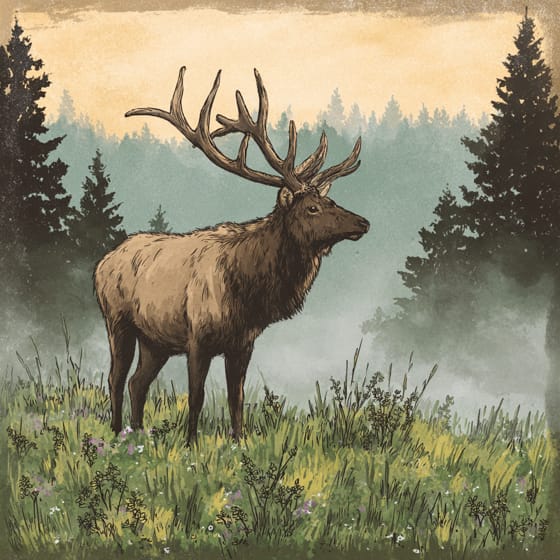
Cervus canadensis
Browses on foliage and flowers, especially when other forage is scarce.
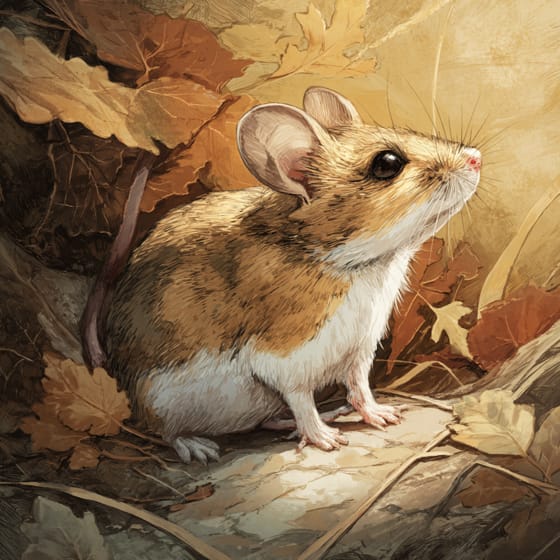
Peromyscus maniculatus
Consumes the seeds from the plant's pods.
Flowering plants are any plants that produce flowers as part of their reproductive cycle.
Describes organisms capable of converting atmospheric nitrogen into compounds usable by plants.
Cluster flowers are inflorescences where individual flowers are arranged closely together on a common stem.
Spring blooming plants produce their flowers during the spring season, often signifying the end of winter and the start of new growth.

Medicinal plants possess chemical compounds that can be used for therapeutic purposes to treat illnesses or maintain health.

Colorful describes organisms or objects displaying a wide range of bright and distinct colors.

Grassland habitats are terrestrial biomes dominated by grasses and herbaceous plants, supporting a variety of grazing animals.

Describes plants that are particularly attractive and beneficial to a wide range of pollinating organisms.
No aliases listed yet.
Danger
1/5 · Very low
Always look but don't touch wild flowers, as some might not be safe.
The easiest way to identify Large-leaved lupine is to use the Snappit nature identifier app.
60-150 cm
60-90 cm
1-2 cm
Summer
No
Mild
Perennial
Zoom in to split clusters and explore where this object has been snapped.
Jun 8, 2026
Days Ferry Historic DistrictPhoto attribution
(c) Doug Suitor, some rights reserved (CC BY)
License: CC BY 4.0 ↗
Image may be shown cropped inside the card frame.

Pennsylvania, US
You might spot Pinesap, Great Rhododendron, and Mountain Laurel.
View guide →

US
You might spot Pink Lady's Slipper and Canada Mayflower.
View guide →

Massachusetts, US
You might spot Turkey, Garter Snake, and Multiflora Rose.
View guide →

Maine, US
You might spot Large-Leaved Lupine, Tree Lungwort, and Asian Bittersweet.
View guide →

Connecticut, US
You might spot Duck, Painted Turtle, and Great Blue Heron.
View guide →

Massachusetts, US
You might spot Eastern White Pine and Pink Lady's Slipper.
View guide →
Take the discovery with you
Snap it with Snappit to identify it, learn what makes it special, and add the discovery to your collection.







.jpg&width=800)



_001.jpg&width=800)




