





spatterdock
Nuphar advena
Spatterdock is a lovely water plant with big, round leaves that float on the surface of ponds and lakes. It has bright yellow flowers that look like little cups and attract many insects.
Habitat: Wetlands
The spatterdock is an aquatic plant featuring large, leathery, heart-shaped leaves that often float or stand above the water. Its bright yellow, cup-shaped flowers typically emerge on thick stalks, contrasting with its deep green foliage. It looks distinctly sturdy and lush in its watery home.
Category
PlantsRarity
Common
Danger
1/5 · Very low
Snaps
6
Its massive underwater rhizomes can grow as thick as a human arm!
Native Americans once used spatterdock roots to make a soothing tea for various ailments.
Spatterdock flowers smell like fermenting apples, which attracts buzzing pollinator insects.
The plant's leaves provide important shade, keeping the water cool for fish and other creatures.
Spatterdock has special air canals in its stems and leaves that carry oxygen from the air down to its roots, helping it breathe underwater.
Spatterdock uses strong, thick rhizomes to anchor itself firmly in the mucky bottom, preventing it from floating away in currents or wind.
Spatterdock has waxy leaves that shed water easily, helping them stay dry and prevent clogging of pores for photosynthesis.
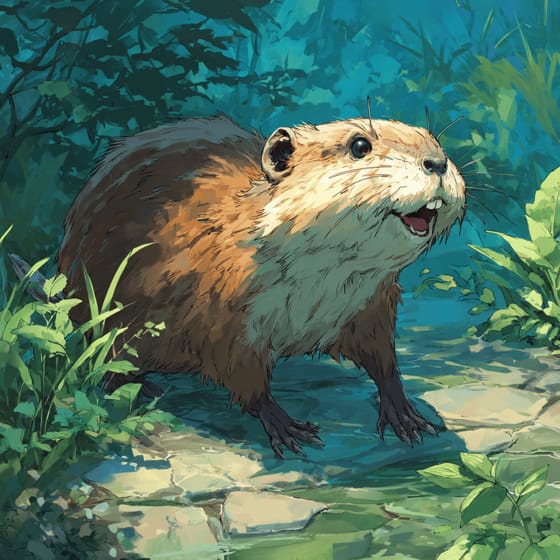
Ondatra zibethicus
consumes its starchy rhizomes and leaves
Anas platyrhynchos
feeds on the nutrient-rich seeds and fruits
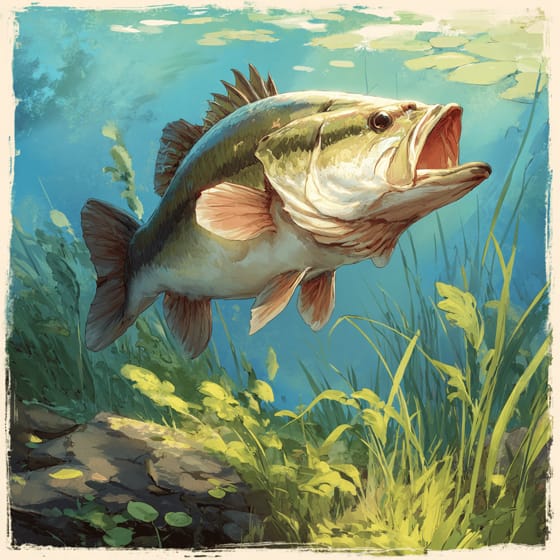
Micropterus salmoides
finds protection and shade among its broad leaves
Flowering plants are any plants that produce flowers as part of their reproductive cycle.
Shade tolerant plants are adapted to grow and thrive in areas with low light levels, requiring less direct sunlight.
Summer blooming plants produce their flowers during the summer season, often providing vibrant color when many other plants have finished.
Broadleaf trees are angiosperms characterized by flat, wide leaves that are typically shed annually in temperate climates.

Edible plants are those parts of a plant that are considered safe for human consumption.

Describes plants that are particularly attractive and beneficial to a wide range of pollinating organisms.

This habitat trait identifies species found in wetlands, which are areas of land saturated with water, either permanently or seasonally, including marshes, swamps, and bogs.

Freshwater habitats include non-saline aquatic environments such as rivers, lakes, ponds, and wetlands, vital for numerous species.

Describes a species whose presence and role have a disproportionately large effect on its environment.

Aquatic habitats encompass environments where organisms live predominantly in water, including oceans, rivers, lakes, and wetlands.
Danger
1/5 · Very low
Always stay close to an adult when exploring ponds and lakes.
The easiest way to identify spatterdock is to use the Snappit nature identifier app.
10-55 cm
50-200 cm
4-7 cm
Late spring to early fall
Yes
Mild
Perennial
Zoom in to split clusters and explore where this object has been snapped.

New York, US
You might spot American Robin, Pond Slider, and Northern Cardinal.
View guide →
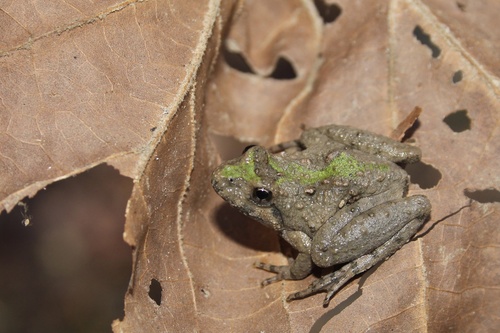
Maryland, US
You might spot Northern Cricket Frog and Common Whitetail.
View guide →

New York, US
You might spot Rock Pigeon, American Robin, and Spotted Lanternfly.
View guide →
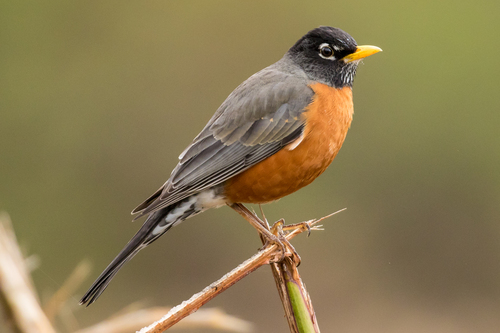
New Jersey, US
You might spot American Robin, Spotted Lanternfly, and Monarch.
View guide →
Kentucky, US
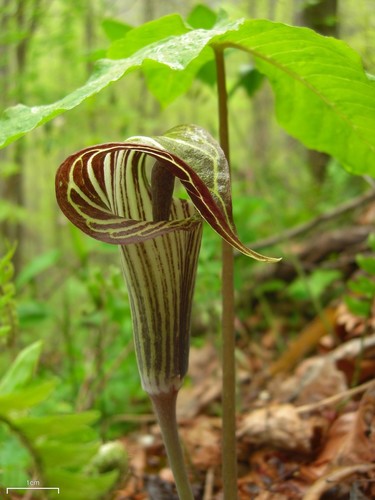
You might spot Jack-In-The-Pulpit and Prairie Trillium.
View guide →

Florida, US
You might spot Anhinga, American Alligator, and Wood Duck.
View guide →
Take the discovery with you
Snap it with Snappit to identify it, learn what makes it special, and add the discovery to your collection.








.jpg&width=800)


_001.jpg&width=800)


