





late boneset
Eupatorium serotinum
Late boneset is a tall plant with pretty white flowers that bloom in late summer. It loves to grow in wet places and is great for attracting butterflies and bees!
Habitat: Wetlands
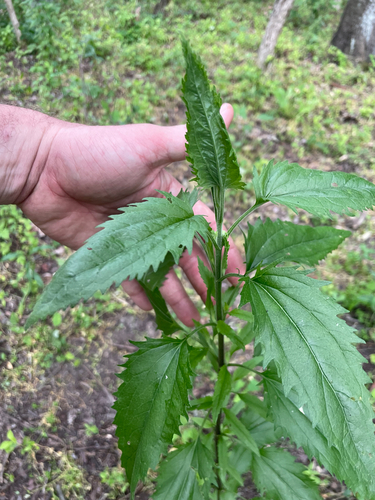
The late boneset has sturdy, upright stems and broadly lance-shaped leaves. Its most distinctive feature is the flat-topped clusters of numerous small, fuzzy white flowers that create dense, fluffy clouds in late summer.
Category
PlantsRarity
Common
Danger
1/5 · Very low
Snaps
10
Its fluffy white flower clusters look like miniature clouds in the late summer air.
Late boneset is a superhero for insects, feeding countless butterflies and bees!
Some call it "feverwort", as people once believed it cured fevers.
This plant was once a famous folk remedy, thought to help mend broken bones!
Late boneset's numerous white flowers create a giant landing pad for many insects, attracting vital pollinators.
This plant spreads easily through rhizomes, forming thick patches that can outcompete other plants for space.
Apis mellifera
Drinks nectar from its many tiny flowers.
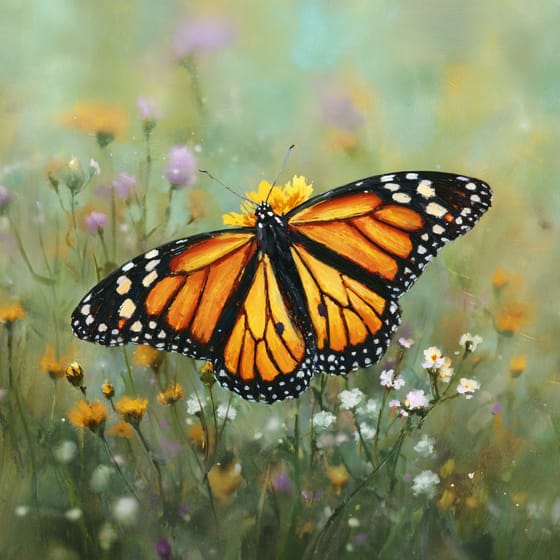
Danaus plexippus
Feeds on its nectar during its southern migration.

Bombus impatiens
Collects nectar and pollen from its fuzzy blooms.
Flowering plants are any plants that produce flowers as part of their reproductive cycle.
Cluster flowers are inflorescences where individual flowers are arranged closely together on a common stem.
Summer blooming plants produce their flowers during the summer season, often providing vibrant color when many other plants have finished.
Medicinal plants possess chemical compounds that can be used for therapeutic purposes to treat illnesses or maintain health.

Describes plants that are particularly attractive and beneficial to a wide range of pollinating organisms.

This habitat trait identifies species found in wetlands, which are areas of land saturated with water, either permanently or seasonally, including marshes, swamps, and bogs.
No aliases listed yet.
Danger
1/5 · Very low
Always look at plants but don't touch them without asking an adult first.
The easiest way to identify late boneset is to use the Snappit nature identifier app.
100-200 cm
50-100 cm
0.2-0.5 cm
Late summer to fall
No
Moderate
Perennial
Zoom in to split clusters and explore where this object has been snapped.
Jun 6, 2026
Phipps Conservatory and Botanical GardensPhoto attribution
no rights reserved
License: CC0 1.0 ↗
Image may be shown cropped inside the card frame.

Ohio, US
You might spot Spotted Lanternfly and White-Tailed Deer.
View guide →

Ohio, US
You might spot Blue-Fronted Dancer, American Rubyspot, and Fowler's Toad.
View guide →

Virginia, US
You might spot Pharaoh Cicada and Asian Lady Beetle.
View guide →

Illinois, US
You might spot Common Milkweed, Great Blue Heron, and Canada Goose.
View guide →
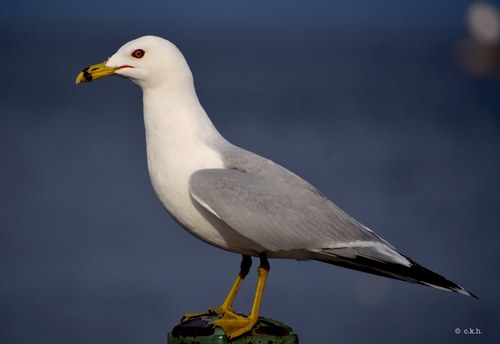
Indiana, US
You might spot Ring-Billed Gull, Duck, and Greater White-Fronted Goose.
View guide →

Illinois, US
You might spot Red Clover, Chicory, and Amur Honeysuckle.
View guide →
Take the discovery with you
Snap it with Snappit to identify it, learn what makes it special, and add the discovery to your collection.







.jpg&width=800)



_001.jpg&width=800)




