Asian Lady Beetle

Burke Station Park offers a delightful escape into nature within the heart of Burke, Virginia.
Burke Station Park offers a delightful escape into nature within the heart of Burke, Virginia. This charming neighborhood green space provides a peaceful retreat with its welcoming open fields and shaded areas, making it an ideal destination for family outings and nature enthusiasts alike. The park's well-maintained trails invite visitors to stroll amidst diverse local flora and fauna, transforming a simple walk into an engaging encounter with the natural world.
The park's primary highlight is the Burke Station Park and Pohick Stream Valley Trail, an easy 4.6 km path perfect for a refreshing walk or jog, offering glimpses of local wildlife such as the Eastern Gray Squirrel, American Robin, and Carolina Wren. Keep an eye out for vibrant Eastern Tiger Swallowtail butterflies fluttering among native plants like mayapple and common jewelweed. In the shaded groves, you might even spot an Eastern Red-backed Salamander or hear the distinctive call of a Northern Cardinal.
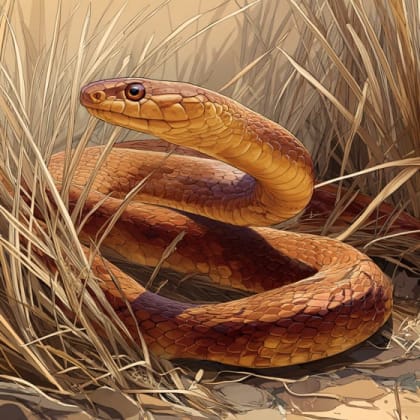
Visiting Burke Station Park is an opportunity to reconnect with nature without venturing far from home. It's a memorable spot for a leisurely afternoon picnic, a brisk walk, or simply enjoying the tranquil ambiance. The integration of its natural setting with recreational facilities, like tennis and basketball courts, creates a versatile space where both active play and quiet contemplation of creatures like the Common Box Turtle or DeKay's Brownsnake can be enjoyed. Wondering what that bird or insect is? Find out on your visit using the Snappit nature app.
While specific historical details regarding the founding of Burke Station Park as a distinct green space are limited, the area itself, known as Burke, Virginia, has a rich history centered around its origins as "Burke's Station." The town was named after Silas Burke, a prominent 19th-century farmer and politician who built a house overlooking Pohick Creek around 1824. The original Burke's Station emerged as a stop on the Orange and Alexandria Railroad in 1851, becoming a significant hub during the Civil War. Today, the park contributes to the community's legacy by offering contemporary recreational amenities within this historically significant region.
Enjoy a walk or run on the easy 4.6 km trail, play a game of tennis or basketball, let children enjoy the playground, and engage in nature observation. Look for birds like the Northern Cardinal and American Robin, and insects such as the Eastern Tiger Swallowtail. Keep an eye out for less common species like the DeKay's Brownsnake or Common Box Turtle.
Spring: Expect blooming plants like mayapple and common jewelweed. Migratory birds may be present, and many animals become more active.
Summer: Lush greenery provides ample shade. Pharaoh Cicadas may be heard, and Spotted Lanternflies could be observed. Ideal for morning or late afternoon visits due to heat.
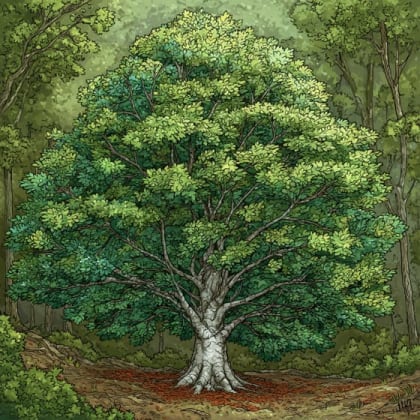
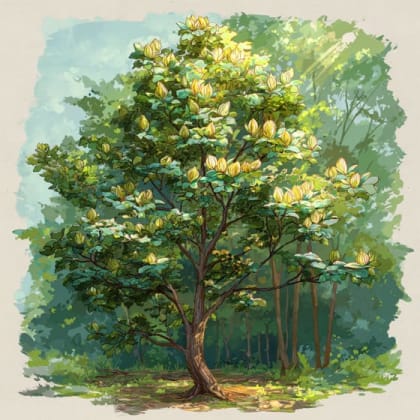
Fall: Enjoy colorful foliage from trees like American beech and American tuliptree. Cooler weather is excellent for hiking.
Winter: Wildlife activity may be reduced, but evergreen species and hardy birds like Canada Goose and Eastern Gray Squirrel are still visible.
The Burke Station Park and Pohick Stream Valley Trail is rated as "Easy," suggesting it is suitable for a wide range of visitors. However, specific details regarding paved sections or wheelchair access were not available.
The Burke Station Park and Pohick Stream Valley Trail, observation of local wildlife, children's playground, tennis courts, and basketball court.
Each card links to a full Explore page with photos, traits, and fun facts.
Start with the big picture, then zoom in to explore individual wildlife observations around this place.
Wear appropriate footwear
The trails are generally easy, but comfortable walking shoes are recommended for exploring the 4.6 km path.
Bring water and snacks
Especially during warmer months, staying hydrated is important. There are no dedicated food vendors within this neighborhood park.
Pack binoculars
For better wildlife viewing, particularly for spotting birds like the Red-shouldered Hawk or Carolina Wren high in the trees.
Visit during off-peak hours
To enjoy a quieter experience, consider visiting on weekday mornings or during non-peak times.
Respect wildlife
Observe animals from a distance and avoid disturbing their natural habitats.
Check for seasonal changes
Animal activity and plant blooms vary by season, so research what to expect before your visit for specific interests.
Jan 19, 2026
Nov 15, 2025
Nov 14, 2025
Oct 25, 2025
Oct 8, 2025

Maryland, US
You might spot White-Tailed Deer and Eastern Gray Squirrel.
View guide →
.jpg)
District of Columbia, US
You might spot Eastern Gray Squirrel, Duck, and House Sparrow.
View guide →

Illinois, US
You might spot American Robin, Canada Goose, and House Sparrow.
View guide →

Virginia, US
You might spot Spotted Lanternfly and Northern Cardinal.
View guide →
Take the discovery with you
Identify the wildlife you spot, learn as you go, and keep a collection of the adventure.