





Leaf Katydids
Phaneropterinae
Leaf Katydids are special insects that look just like leaves! They use their leaf-like bodies to hide from predators and stay safe in the trees.
Habitat: Forests
The Leaf Katydids has a flattened, often bright green or brown body, perfectly mimicking a leaf, complete with visible "veins" on its wings. Its long, slender legs and antennae further blend into foliage, making it incredibly hard to spot.
Category
InsectsRarity
Common
Danger
1/5 · Very low
Snaps
Be the first to snap!
A female katydid uses a special blade-like tool to lay eggs in plants! Wow!
Some species have antennae much longer than their whole body! Wow!
Their "ears" are actually located on their front legs, near their knees! Wow!
They are ancient insects, with ancestors that lived alongside dinosaurs! Wow!
Leaf Katydids can change body shape and color to perfectly blend in with surrounding leaves, helping them hide from hungry predators.
Leaf Katydids rub their wings together to create unique chirping sounds, used to find mates and sometimes warn off rivals.
Leaf Katydids has powerful back legs allowing them to make long, sudden jumps, escaping danger in a flash.
These insects munch on plants, leaves, and sometimes even smaller bugs to grow big and strong.

Quercus alba
Their leaves are a common food source for many species.

Acer rubrum
Provides leaves, bark, and shelter for katydids.
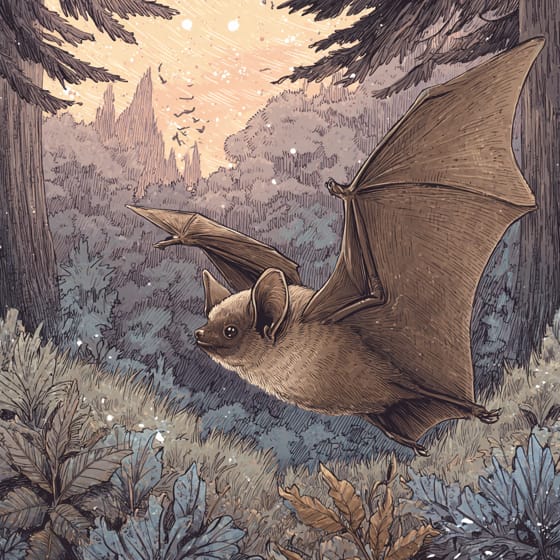
Myotis lucifugus
Nocturnal bats often hunt katydids by echolocation.

Ardea alba
Wading birds may opportunistically prey on katydids.
Solitary animals live alone for most of their lives, only interacting with others for mating or parental care.
Singing animals produce complex vocalizations, often for purposes of attracting mates, defending territory, or communicating within their species.
Arboreal animals live primarily in trees, utilizing them for shelter, food, and protection from predators.
Camouflaged describes organisms that possess coloring or patterns that allow them to blend into their environment.

This trait characterizes organisms whose diet consists entirely or primarily of plant material.

Forest habitats are terrestrial environments dominated by dense tree cover, supporting a high diversity of plant and animal life.

Nocturnal animals are primarily active during the nighttime hours, typically resting or sleeping during the day.
No aliases listed yet.
Danger
1/5 · Very low
It's best to look at insects like Leaf Katydids from a distance to keep them safe.
The easiest way to identify Leaf Katydids is to use the Snappit nature identifier app.
30-100 mm
10-70 mm
60-365 days
These insects munch on plants, leaves, and sometimes even smaller bugs to grow big and strong.
Forests
Foraging
6
Zoom in to split clusters and explore where this object has been snapped.
Recent snaps will appear here as new observations are added.
Take the discovery with you
Snap it with Snappit to identify it, learn what makes it special, and add the discovery to your collection.








.jpg&width=800)



