





Leafy Aster
Symphyotrichum foliaceum
The Leafy Aster is a pretty flower that blooms in late summer and fall. It has bright purple petals and is loved by butterflies and bees, making gardens colorful and lively!
Habitat: Grasslands
The Leafy Aster has vibrant purple or blue-violet ray petals surrounding a bright yellow center, forming a daisy-like flower. Its stems are often leafy, especially near the base, giving it a bushy appearance. It stands out in mountain meadows with its cheerful late-season blooms.
Category
PlantsRarity
Common
Danger
1/5 · Very low
Snaps
Be the first to snap!
Each Leafy Aster "flower" is actually a cluster of many tiny flowers grouped together!
Leafy Asters provide a vital late-season snack bar for sleepy bees and butterflies before winter.
Some aster seeds have tiny parachutes, helping them fly far away on the wind to find new homes!
The name "Aster" comes from ancient Greek, meaning "star," referring to its star-like flower shape!
Leafy Aster can survive harsh winters as a perennial, returning year after year from its strong root system.
Leafy Aster has bright, abundant flowers and late blooms that provide crucial nectar for insects when other flowers fade.
Leafy Aster can spread underground using rhizomes, allowing it to colonize new areas and form dense clumps.
Bombus bifarius
collects nectar and pollen
Vanessa cardui
sips sweet nectar
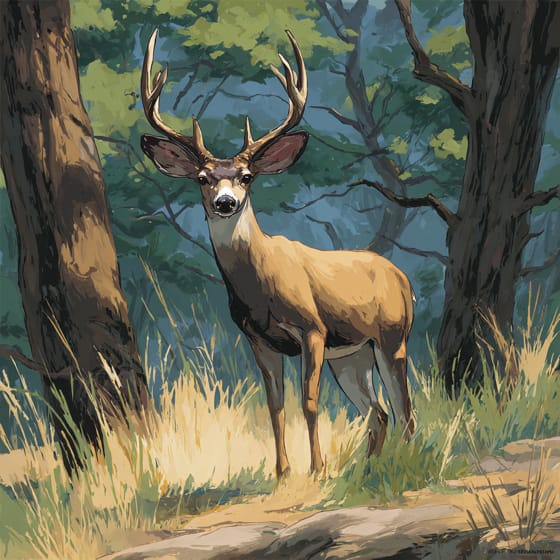
Odocoileus hemionus
grazes on foliage and stems

Marmota flaviventris
feeds on plant parts
Deciduous plants periodically shed all their leaves, typically during autumn or dry seasons.
Flowering plants are any plants that produce flowers as part of their reproductive cycle.
Summer blooming plants produce their flowers during the summer season, often providing vibrant color when many other plants have finished.
Fragrant flowers emit a pleasant aroma, often to attract pollinators or for defense.

Colorful describes organisms or objects displaying a wide range of bright and distinct colors.

Grassland habitats are terrestrial biomes dominated by grasses and herbaceous plants, supporting a variety of grazing animals.

Describes plants that are particularly attractive and beneficial to a wide range of pollinating organisms.
No aliases listed yet.
Danger
1/5 · Very low
Always look but don't pick flowers in nature. They are homes for insects!
The easiest way to identify Leafy Aster is to use the Snappit nature identifier app.
30-100 cm
30-60 cm
1-3 cm
Late summer to fall
No
None
Perennial
Zoom in to split clusters and explore where this object has been snapped.
Recent snaps will appear here as new observations are added.

British Columbia, CA
You might spot White Pasqueflower and Columbian Ground Squirrel.
View guide →

British Columbia, CA
You might spot Sitka Valerian, Leafy Aster, and Pearly Everlasting.
View guide →
Take the discovery with you
Snap it with Snappit to identify it, learn what makes it special, and add the discovery to your collection.







.jpg&width=800)


_001.jpg&width=800)




