




Lesser Black-backed Gull
Larus fuscus
The Lesser Black-backed Gull is a medium-sized bird with a striking black back and white wings. These gulls are often seen near the coast, where they love to hunt for fish and scavenge for food.
Habitat: Coastal areas
The Lesser Black-backed Gull has a dark slate-grey to black back and wings, which contrasts sharply with its white underside. It sports bright yellow legs and a yellow bill tipped with a distinct red spot, making it visually distinct from similar gulls.
Category
BirdsRarity
Common
Danger
2/5 · Low
Snaps
Be the first to snap!
Some gulls are super smart and can remember human faces for years!
These birds are amazing travellers, following fishing boats far out to sea!
They can drink both fresh and saltwater without getting sick!
They often build their nests on city rooftops high above the ground!
Lesser Black-backed Gulls have excellent vision because it helps them spot food from high in the sky or over water.
Lesser Black-backed Gulls can fly long distances because their strong wings help them migrate across continents.
Lesser Black-backed Gulls have a flexible diet because they can eat almost anything, from fish to discarded food.
A hungry bird that eats almost anything, from fish and insects to human scraps!
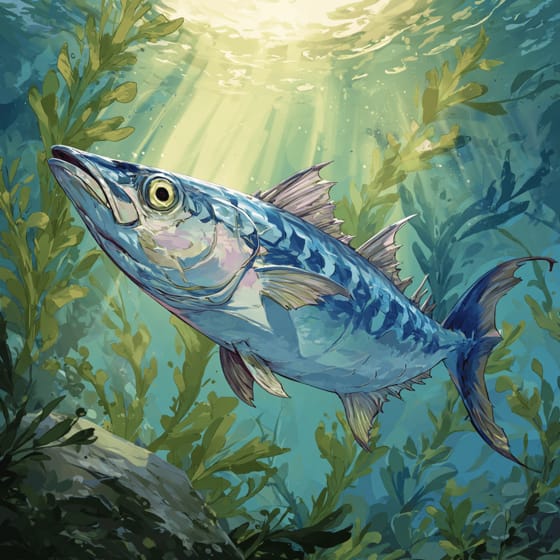
Scomber scombrus
Preys on small fish in coastal waters.
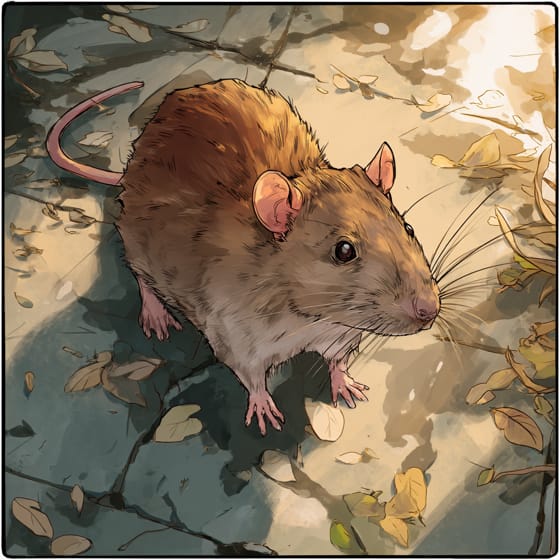
Rattus norvegicus
Rats often raid nests, eating eggs and chicks.
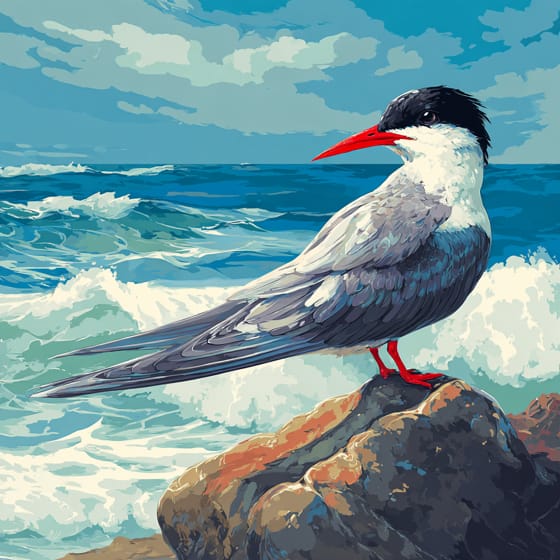
Sterna hirundo
Preys on eggs and chicks from their colonies.
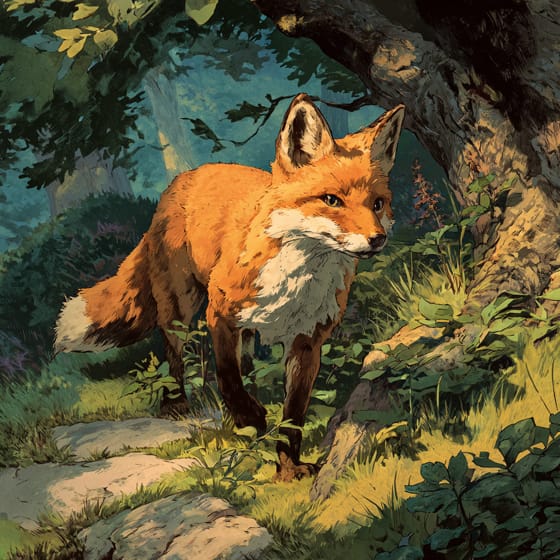
Vulpes vulpes
Foxes can prey on gull eggs, chicks, or adults.
Feathered describes animals, primarily birds, possessing a covering of feathers.
Social animals live in organized groups, cooperating for survival benefits such as foraging, defense, and raising offspring.
Scavengers consume dead organic matter, helping to decompose carcasses and other waste in the ecosystem.
Piscivorous organisms are animals that primarily subsist on a diet of fish.

This trait characterizes organisms with an exceptionally long lifespan compared to others of their kind.

Coastal habitats are dynamic environments located along the interface between land and sea, influenced by tides, waves, and saltwater.

This trait identifies organisms whose diet consists entirely or primarily of animal tissue.

Diurnal animals are primarily active during daylight hours, typically resting or sleeping at night.

Migratory animals undertake seasonal movements from one region to another, typically in response to changes in climate or food availability.
Danger
2/5 · Low
Watch from a distance and don't feed the gulls, as they can be a bit cheeky!
The easiest way to identify Lesser Black-backed Gull is to use the Snappit nature identifier app.
50-60 cm
125-150 cm
0.69-1.1 kg
20-25 years
70 km/h
A hungry bird that eats almost anything, from fish and insects to human scraps!
Coastal areas
Zoom in to split clusters and explore where this object has been snapped.
Recent snaps will appear here as new observations are added.
Take the discovery with you
Snap it with Snappit to identify it, learn what makes it special, and add the discovery to your collection.




.jpg&width=800)







