





Lithophane dilatocula
Lithophane dilatocula
The Lithophane dilatocula is a special moth that can blend in with its surroundings. It has beautiful patterns on its wings that help it hide from predators during the day.
Habitat: Forests
The Lithophane dilatocula has mottled grey-brown forewings with cryptic patterns, closely resembling tree bark, making it difficult to spot. Its hindwings are a paler grey. This moth's elongated, narrow forewings distinguish it from similar species.
Category
InsectsRarity
Common
Danger
1/5 · Very low
Snaps
Be the first to snap!
Adult Lithophane dilatocula moths can live for many months, even through the winter!
Before they are moths, these insects munch on tree leaves as caterpillars!
Its scientific name, 'dilatocula,' means 'wide eye,' referring to a subtle wing marking.
This moth sips flower nectar using a long, straw-like tongue called a proboscis!
Lithophane dilatocula has intricate wing patterns that help them blend perfectly with tree bark, making them almost invisible to predators.
Lithophane dilatocula can survive freezing winters as an adult moth by entering a dormant state, emerging when spring arrives.
Lithophane dilatocula has a long proboscis to reach deep nectar in flowers, providing them with essential energy for flight.
Adult moths drink flower nectar; caterpillars munch on tree leaves.
Age differences: As caterpillars, they eat tree leaves; as adult moths, they drink nectar.
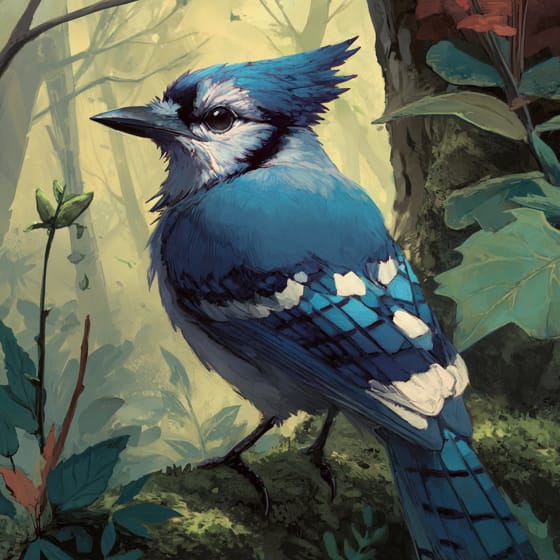
Cyanocitta cristata
A common bird predator.
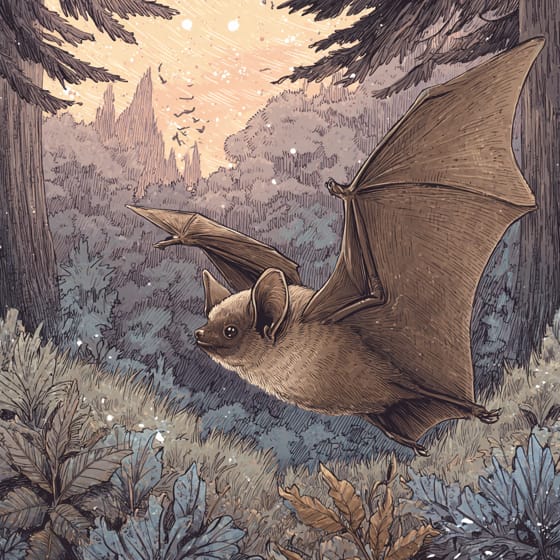
Myotis lucifugus
Hunts adult moths at night.
Quercus rubra
Larvae feed on its leaves.

Acer saccharum
Larvae also eat its leaves.
Solitary animals live alone for most of their lives, only interacting with others for mating or parental care.
Camouflaged describes organisms that possess coloring or patterns that allow them to blend into their environment.
This trait characterizes organisms whose diet consists entirely or primarily of plant material.
Forest habitats are terrestrial environments dominated by dense tree cover, supporting a high diversity of plant and animal life.

Nocturnal animals are primarily active during the nighttime hours, typically resting or sleeping during the day.

Describes organisms that transfer pollen, enabling the fertilization and reproduction of plants.
Danger
1/5 · Very low
Moths are usually harmless, but it's best to observe them without touching.
The easiest way to identify Lithophane dilatocula is to use the Snappit nature identifier app.
35-45 mm
15-22 mm
180-270 days
15 km/h
Adult moths drink flower nectar; caterpillars munch on tree leaves.
Forests
Foraging
Zoom in to split clusters and explore where this object has been snapped.
Recent snaps will appear here as new observations are added.
Take the discovery with you
Snap it with Snappit to identify it, learn what makes it special, and add the discovery to your collection.









.jpg&width=800)



