





Little Prince's Pine
Chimaphila menziesii
Little Prince's Pine is a small, evergreen plant that grows close to the ground. It has shiny, dark green leaves and pretty white flowers that bloom in spring. This plant loves to live in cool, shady forests.
Habitat: Forests
The Little Prince's Pine is a low-growing evergreen herb with whorls of dark green, shiny, leathery leaves often mottled with lighter veins and serrated edges. It produces nodding, bell-shaped flowers that are typically white to pinkish-purple, featuring prominent yellow anthers, arranged in small clusters.
Category
PlantsRarity
Common
Danger
1/5 · Very low
Snaps
1
Even under deep snow, its tough leaves stay green and strong, ready for the first hint of spring!
Its ancient name, 'Pipsissewa,' means 'to break small,' from its traditional medicinal uses!
Its fruits are tiny capsules that burst open, releasing seeds as fine as dust into the wind!
This plant can sometimes 'borrow' nutrients from tiny fungi in the soil, like a clever forest friend!
Little Prince's Pine has tough, waxy leaves that stay green all winter, letting it make food when other plants are dormant.
Little Prince's Pine connects with tiny fungi underground to share nutrients, helping it thrive in shady forests.
This plant can grow new shoots from underground stems, slowly spreading its colony across the forest floor.
Bombus flavifrons
Its flowers attract these fuzzy bees.
Apis mellifera
Honey bees also visit its bell-shaped blossoms.
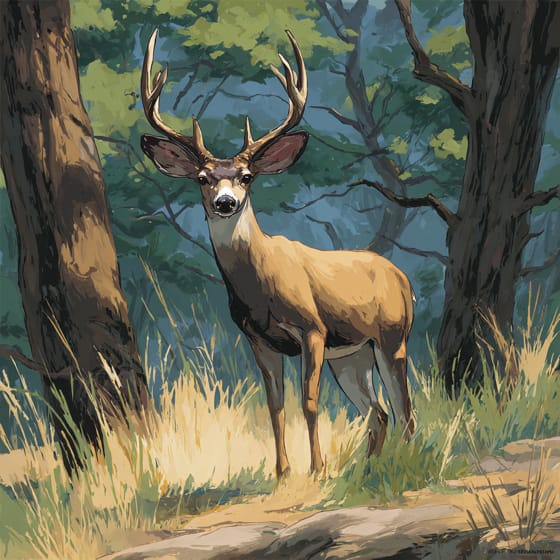
Odocoileus hemionus
Deer may browse its evergreen leaves, especially in scarcity.
Ornamental plants are cultivated primarily for their aesthetic appeal, enhancing landscapes and gardens with their attractive foliage, flowers, or form.
Shade tolerant plants are adapted to grow and thrive in areas with low light levels, requiring less direct sunlight.
Spring blooming plants produce their flowers during the spring season, often signifying the end of winter and the start of new growth.
Evergreen plants retain their foliage throughout the year, never shedding all their leaves at once.

Medicinal plants possess chemical compounds that can be used for therapeutic purposes to treat illnesses or maintain health.

Describes plants that are particularly attractive and beneficial to a wide range of pollinating organisms.

Forest habitats are terrestrial environments dominated by dense tree cover, supporting a high diversity of plant and animal life.
No aliases listed yet.
Danger
1/5 · Very low
Always look but don't touch wild plants unless a grown-up says it's okay.
The easiest way to identify Little Prince's Pine is to use the Snappit nature identifier app.
10-30 cm
15-30 cm
0.8-1.2 cm
Late spring to mid-summer
No
Mild
Perennial
Zoom in to split clusters and explore where this object has been snapped.
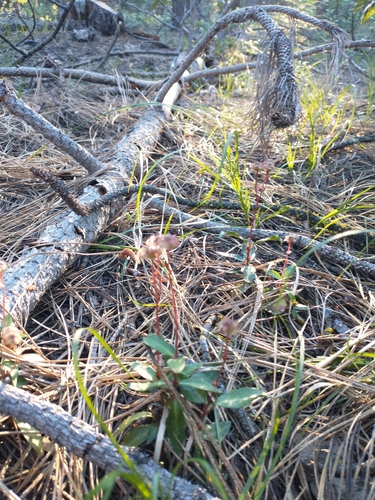
Jul 18, 2023
Sun Pass State ForestPhoto attribution
no rights reserved
License: CC0 1.0 ↗
Image may be shown cropped inside the card frame.
Take the discovery with you
Snap it with Snappit to identify it, learn what makes it special, and add the discovery to your collection.









.jpg&width=800)



_001.jpg&width=800)


